Non Profit Contract Management | Features & Benefits
Nonprofit contract management is the process of handling, monitoring, and maintaining agreements with vendors, partners, and donors in an organized way, ensuring all terms are followed while promoting transparency and accountability.

What Is Non-Profit Contract Management?
Non-profit contract management refers to how organizations manage and maintain their agreements with different parties they work with, such as donors, vendors, government bodies, and service providers.
The process covers the entire contract management, including drafting the agreement, reviewing terms, making necessary revisions, obtaining approvals, securing signatures, storing documents, and monitoring them over time.
Since non-profits often operate with limited resources, a good contract management becomes essential. A well-structured contract lifecycle management process helps reduce errors, saves valuable time, and ensures compliance.
Common Challenges Non-Profits Face in Managing Contracts
While nonprofits dedicate most of their efforts to creating positive impact, they often deal with ongoing challenges behind the scenes especially in managing contracts. Here are some of the common difficulties many nonprofits encounter.
1. Lack of Centralization
Contracts are often spread across emails, personal devices, or physical files. Without a single place to store them, teams waste time searching for documents. A centralized system makes access easier and keeps everything organized.
2. Manual Processes
Many nonprofits still depend on paper-based workflows. Contracts are printed, signed, scanned, and shared multiple times, which slows down the process and increases the chances of errors or version confusion.
Recommended Read: How Contract Automation Drives Efficiency & Growth
3. Limited Legal Support
Smaller nonprofits usually don’t have dedicated legal teams. As a result, contract terms may not be properly reviewed, leading to risks like unclear clauses, compliance issues, or unfavourable agreements. This can expose the organization to legal disputes or financial losses over time.
4. Missed Deadlines
Without proper tracking or reminders, important dates such as renewals, payments, or contract end dates can be missed. This can lead to penalties, service disruptions, or lost opportunities. Over time, repeated delays can reduce the organization’s credibility and weaken relationships with partners.
5. Reporting Challenges
Donors and partners often require detailed reports on progress, timelines, and commitments. Without a proper contract management software, nonprofits may find it difficult to track and present this information, which can impact trust and future funding. This lack of visibility can also make internal decision-making less effective.
Why Effective Contract Management Matters for Non-Profits
Non-profit organizations put a lot of effort into helping communities and creating impact. Good contract management plays an important role in supporting this work and building reliable partnerships.
1. Getting Grants and Funding from Government
Many nonprofits depend on grants from government bodies, foundations, or donors. These grants come with rules and conditions that must be followed. Proper contract management helps keep track of these terms and deadlines so nothing is missed. It also makes it easier to show proof of how funds are used when required.
2. Handling Vendors and Service Providers
Non-profits often work with external teams like IT services, maintenance staff, or consultants. Clear contracts help define services, costs, and timelines, which helps avoid misunderstandings and keeps work on track. It also helps manage vendor contracts better and maintain a professional relationship with all service providers.
3. Managing Volunteer Responsibilities
Volunteers play a big role in non-profit work. Without proper documentation, there can be gaps in understanding roles and tasks. Keeping all volunteer agreements in one place makes it easier to check details and keep contract tracking in line. This also helps assign responsibilities clearly and track contributions.
4. Setting Up MOUs with Partners
MOUs are used when working with other organizations, schools, or government bodies. Keeping these agreements well managed helps, both sides understand their roles and work together better. Clear tracking also helps avoid missing key responsibilities.
5. Following Legal and Regulatory Rules
Non-profits must follow different laws related to taxes, labour, and their field of work. Good contract management helps keep track of these requirements and important dates, reducing the chances of penalties or legal issues. It also helps maintain proper records for audits and reporting.
Stay compliant with every contract. Start your 14-day free trial.
Key Features Of Non-Profit Contract Management
There are many features available in the system, but here are some of the most effective ones that can greatly benefit non-profit organizations. To discover more, feel free to explore our product.
1. AI-Based Clause Support
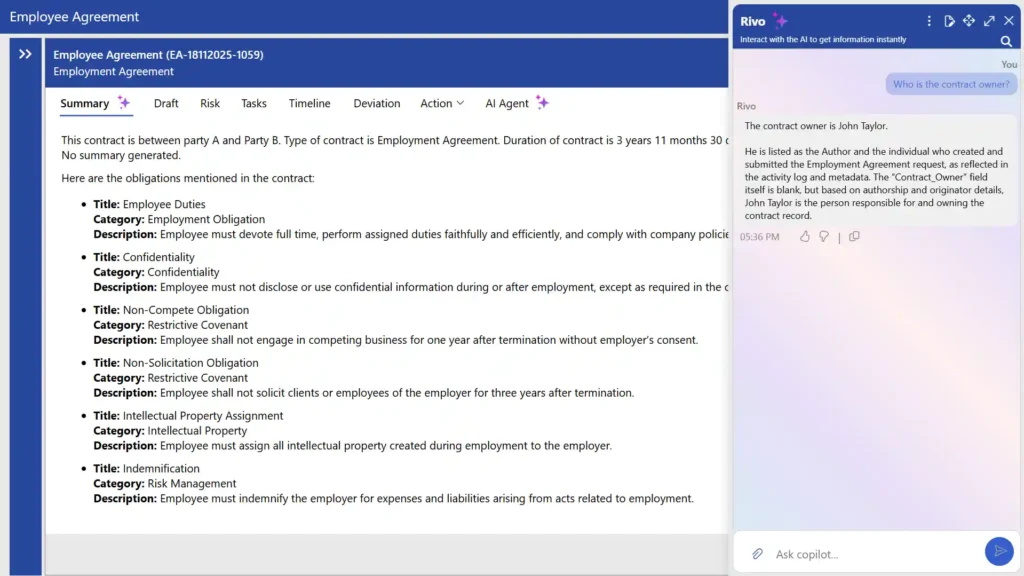
AI helps with writing and summarizing contracts by suggesting suitable clauses, breaking down complex sections, and spotting possible risks within seconds. This reduces manual work and improves the quality of contracts. According to study by Thomson Reuters, lawyers spend 40% to 60% of their time on repetitive drafting and review tasks, which shows how useful AI can be in saving time.
2. Automated Approval Workflows
This feature sends contracts to the right people for approval based on set rules. It helps routes contracts faster through each stage and reduces the need for manual follow-ups. Teams can track progress easily and complete contract approval process without unnecessary delays.
Get NPO contracts approved in minutes
3. Centralized Contract Storage
Non-profits often deal with many contracts across vendors, donors, and partners. Keeping all documents in one place makes it easier to access and manage them. A central contract repository system saves time and keeps everything organized. It also reduces the risk of losing important documents.
4. Electronic Signature
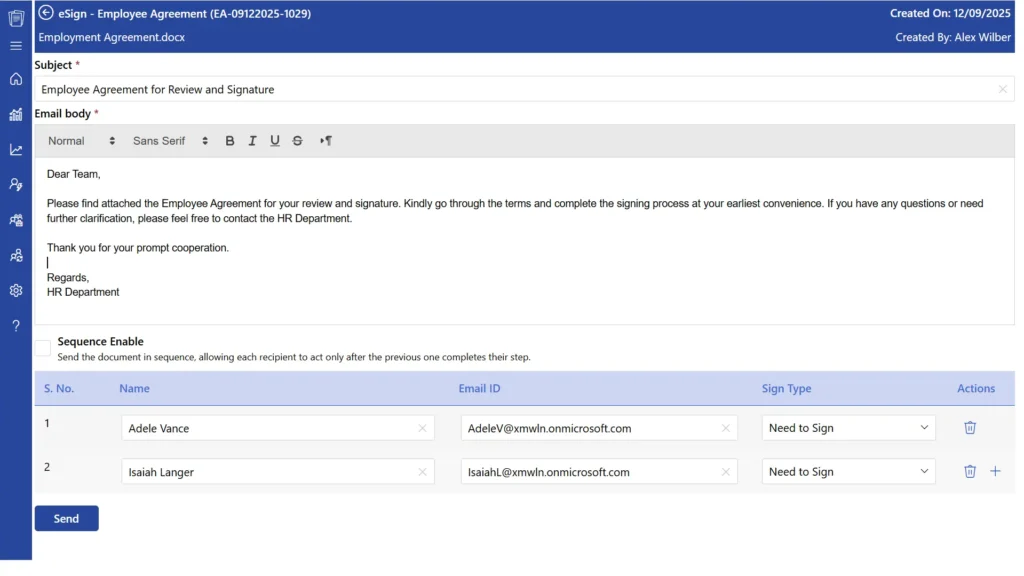
Contracts often require signatures from multiple stakeholders. A electronic signature allows documents to be signed in one place without delays. This helps complete agreements faster and keeps the process organized. It also provides clear visibility into who has signed and what is pending.
5. Contract Redlining
Contract redlining in Microsoft Word allows nonprofit organizations to review, track, and manage contract changes using the built-in Track Changes feature. Teams can easily see edits, comments, additions, and deletions made by different stakeholders during negotiations. This improves collaboration, maintains a clear audit trail, and helps agreements reach approval faster.
6. Reporting and Insights
Data plays a major role in decision-making today. While many nonprofits collect data, only a small number use it effectively. With contract analysis software, organizations can understand contract performance, identify patterns, and make better decisions. It also helps leaders plan future actions with better clarity.
7. Audit Trail for Transparency
Non-profits need clear records when working with donors and partners. An audit trail keeps a full history of all actions taken on a contract, including edits, approvals, and reviews. This creates a clear record of activities and supports accountability. It also helps during audits and internal checks.

Benefits of Non-Profit Contract Management Software
Non-profit contract management software offers more than just document storage. It supports organizations in handling contracts more effectively and staying organized in their daily operations.
1) Track Renewals and Expiration Dates with Ease
One of the common challenges nonprofits face is keeping track of contract renewal and expiry dates. The non-profit contract management sends reminders for upcoming deadlines so nothing gets overlooked. This helps teams stay prepared and renew contracts on time and supporting smooth continuation.
2) Centralized View of All Contracts
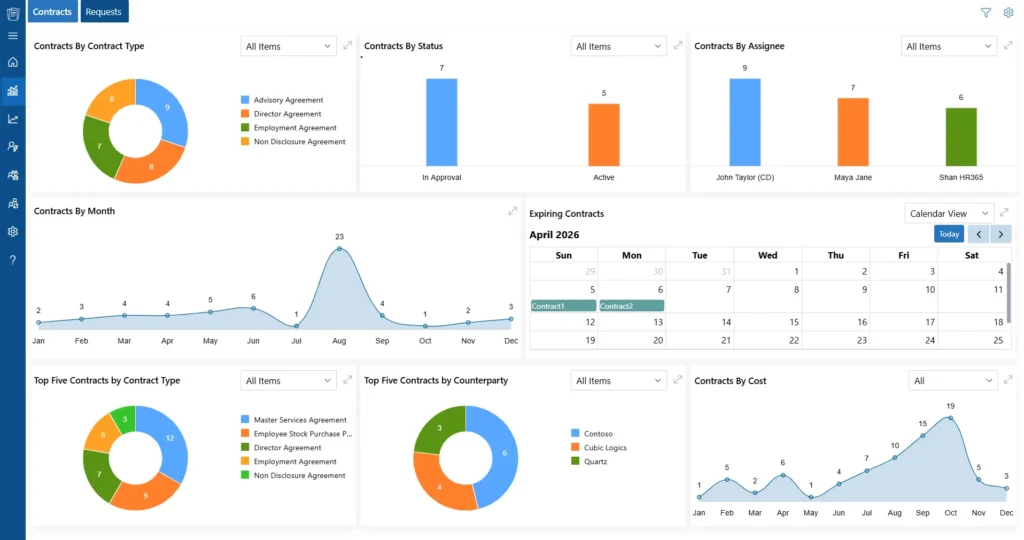
Managing multiple contracts across teams and projects can become difficult. A contract management dashboard stores all contracts in one place, making them easy to access, review, and update. Non-profit contract management saves time and reduces the chances of missing important documents. It also improves visibility across departments.
3) Improved Internal Reviews and Approvals
Contract review often involves several team members from different departments. The system allows teams to review, comment, and approve contracts within one platform. This makes coordination easier and keeps the process moving without delays. It also helps maintain a clear record of approvals.
4) Reduce Paperwork and Email Dependency
Handling large volumes of contracts through paper and emails can be time-consuming. Digital contract management reduces the need for printed documents and long email chains. This makes document handling simpler and more organized. It also supports eco-friendly practices by reducing paper usage.
5) Version Control
When many people work on a contract, keeping track of changes becomes important. Contract management with version control records every update and allows easy access to previous versions. Audit records show who made changes and when they were made. This helps maintain clarity and supports accountability in contract management.
Best Practices for Non-Profits to Master Contract Management
Whether you are just getting started or already using some tools, these practices can help improve how you handle contracts. Here are some simple and effective steps to follow.
1. Create a Central Repository
Set up a secure system where all contracts are stored in one place. This makes it easy for the team to quickly find and use the latest version of any document. It helps keep everything organized and accessible for everyone.
2. Audit Existing Contracts
Start by reviewing all your current and past contracts. Identify active agreements, update outdated terms, and keep everything up to date. A contract audit gives a clear understanding of your contracts and helps you plan next steps with clarity.
3. Automate Reminders
Set up alerts for key milestones like renewals, deadlines, or deliverables. This helps your team stay prepared and manage timelines with ease. It also supports better planning and smoother operations.
4. Define User Roles and Permissions
Assign roles so the right people can view, edit, or approve contracts. This keeps your process organized and protects important information. It also helps teams work more efficiently with clear responsibilities.
5. Standardize Templates and Workflows
Use pre-approved clause library to create contracts faster and maintain consistency. Define a clear process from creation to approval so everyone follows the same steps. This improves efficiency and keeps work aligned across the organization.
How CLM 365 Helps Nonprofits Take Control of Their Contracts?
CLM 365 is designed within the Microsoft ecosystem, enabling smooth integration with tools like Microsoft SharePoint, Microsoft Teams, Microsoft Outlook, Microsoft Copilot, Microsoft Power BI, and Microsoft Power Automate. This makes it easy for teams to handle contracts without leaving the tools they already use daily.
With AI-powered workflows, businesses can automate approvals, monitor key obligations, and ensure compliance at every stage reducing manual effort and minimizing risks.
Built with strong enterprise-level security and an intuitive interface, CLM 365 supports both growing companies and large organizations in managing contracts efficiently
Backed by SOC 2 compliance, Microsoft certification, and Microsoft Solutions Partner status giving you a trusted and secure contract management system.
Fully supports GCC and GCC High environments, delivering government-level security and advanced data protection for highly regulated industries.
Conclusion
Contracts should support your work, not make it harder. Managing them well is not optional it is essential. For nonprofits working in healthcare, education, social services, or advocacy, every agreement brings an opportunity to create impact, especially when it is handled the right way.
CLM 365 stands out by focusing on what truly matters and doing it well, without adding extra complexity. It is simple, practical, and built to support nonprofit teams in their daily work.
Start your 14-day free trial with CLM 365 and experience simpler contract management for your nonprofit team.
Frequently Asked Questions
What's the easiest way to stay ahead of contract expiration dates?
Automatic contract alerts notify the right people before expiration dates arrive, helping nonprofit teams review, renew, or close agreements before deadlines are missed.
Where can I see all active and expired contracts without opening multiple folders?
A centralized contract dashboard provides a complete view of active, pending, expired, and completed agreements, giving teams instant visibility into contract status across the organization.
How can I quickly understand the key terms in a lengthy contract?
AI contract analysis automatically summarizes important clauses, dates, obligations, risks, and renewal terms, helping users review contracts faster and make informed decisions.
How can we prevent contract renewal deadlines from being missed?
Automated renewal tracking sends reminders before important dates, helping organizations manage renewals proactively and avoid unexpected contract lapses.
Does the system help us find a contract related to a specific project?
Advanced contract search allows users to locate agreements using project names, keywords, organizations, contract types, tags, and other metadata within seconds.