

Storing all your contracts in a centralized repository tool enables quick access without the need to search through emails or multiple folders.
- Keeps all contracts stored securely in one centralized location
- Makes it easier to search, access, and manage agreements quickly
- Helps teams track renewals, deadlines, and important contract details
- Reduces manual work while improving compliance and visibility
A contract repository system centralizes everything, simplifying how you manage, track, and retrieve agreements.
According to study EY nearly 90% of contracting professionals face difficulties when trying to find contracts at the right time.
With a well-organized system in place, you gain complete visibility into your contracts knowing exactly where they are, what actions are required, and what deadlines are approaching.
What is a Contract Repository System?
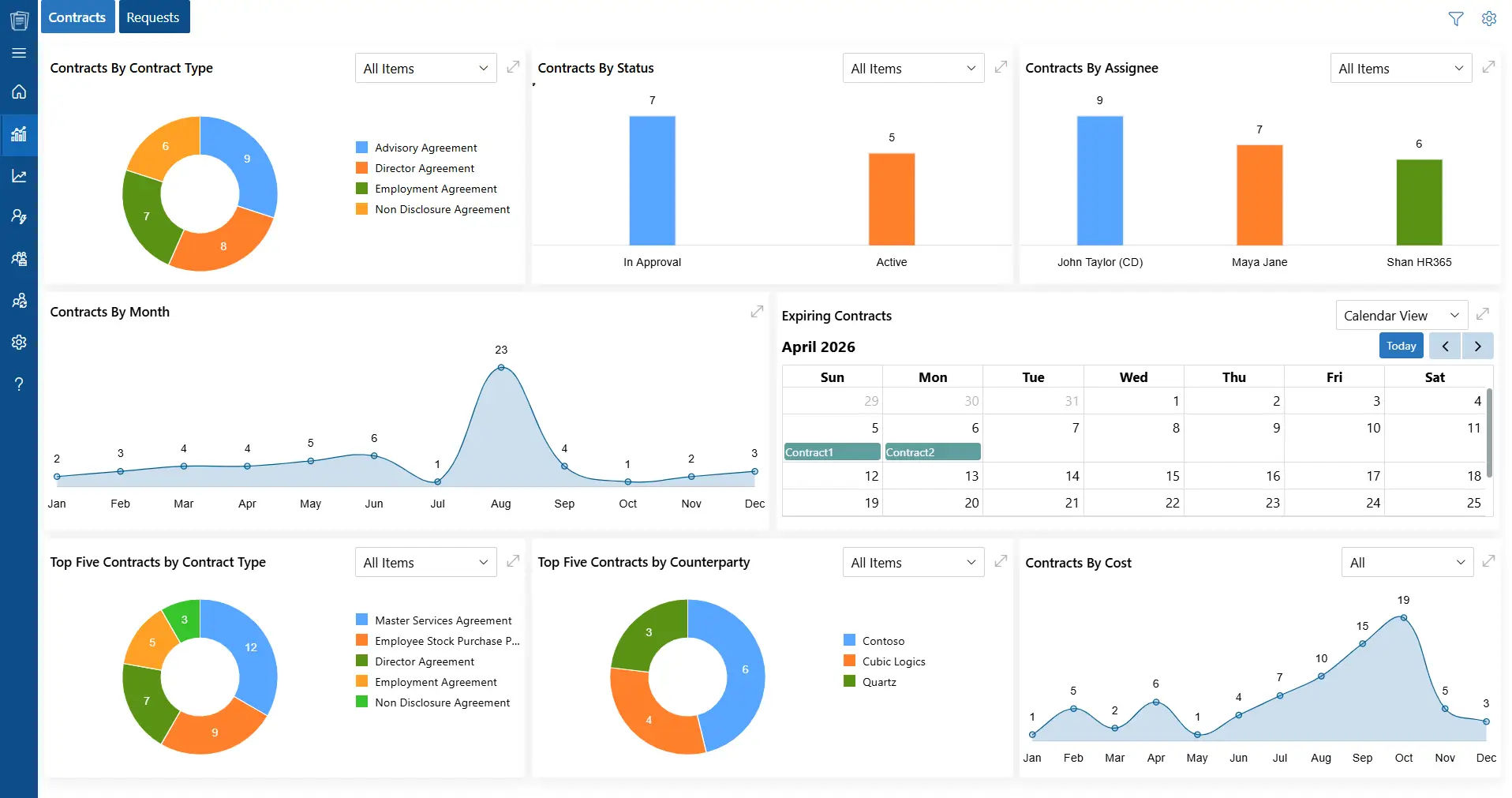
A contract repository system is a centralized digital solution designed to securely store, organize, and manage contracts across their entire lifecycle. Instead of relying on scattered documents in emails, folders, or physical files, the central contract repository offers a structured and searchable environment where all agreements can be easily accessed and managed.
How Does Contract Repository Management Work?
A contract repository SharePoint streamlines how businesses store, organize, and manage agreements, ensuring quick access and better control throughout the contract lifecycle. Here’s how the process works.
1. Centralized Storage
The process starts by uploading all contracts into a secure digital repository. Documents in formats like PDFs, Word files, or scanned copies are stored in one place, creating a single source of truth. Important details such as contract type, involved parties, start and end dates, and renewal terms are captured to make tracking easier and more efficient.
2. Contract Classification and Organization
After storage, contracts are systematically organized based on categories like contract type, stakeholders, timelines, and status. Using tags and metadata, users can easily sort and group documents, making the system highly structured and eliminating from unorganized files.
3. Smart Search and Filtering
The contract management system enables users to find contracts instantly using keywords, filters, or specific attributes such as dates and contract terms. This eliminates the need for time-consuming manual searches and allows quick retrieval of important documents whenever needed.
4. Secure Access and Permission Control
To maintain contract security, the contract management system uses role-based access, ensuring only authorized users can view, edit, or approve contracts. Permissions can be customized for different teams, while activity logs record all actions, ensuring transparency.
5. Monitoring and Performance Insights
Once contracts are active within the contract management software, businesses can monitor key milestones, track obligations, and evaluate performance. Built-in reports and analytics provide valuable insights, helping teams improve efficiency and make informed decisions.
Drawbacks of Using Manual Contract Repository
Many organizations still store contracts using shared folders or spreadsheets. While this may work at a basic level, it often slows down processes and makes contract handling less efficient as the business grows. Here are some common challenges teams experience:
1. Time-Consuming Search
Contracts are important business documents but finding them can take time when they are stored in different folders or across departments. Employees may need to go through multiple files before locating the right one, which can delay work and decisions. With a proper contract repository software, users can quickly find documents using filters like contract type, dates, or keywords.
2. Limited Control and Protection
Contracts include sensitive details such as pricing, terms, and legal contract clauses. When stored in shared drives, access may not always be properly managed. This can make it harder to track who viewed or updated a document. A structured system helps manage access permissions and ensures documents are securely handled.
3. Hard to Track Important Dates
Contracts often include key dates like renewals, payments, or compliance deadlines. When tracked manually, these dates can be missed or overlooked. This may lead to missed opportunities or last-minute actions. With a contract repository solution, reminders and alerts help teams stay updated and prepared.
4. Managing Multiple Versions
Contracts go through many updates before they are finalized. When handled manually, it can be difficult to identify the most recent version. At times, team members may end up using an older file, which can affect consistency. A contract repository system keeps all contract versions organized in one place and clearly highlights the latest document.
5. Slower Team Collaboration
Contracts usually involve different teams such as legal, finance, and procurement. When files are shared through emails or separate folders, coordination becomes slower. A centralized platform allows teams to work together in one place, making reviews and approvals smoother and more efficient.
Make team collaboration smoother with contracts stored in secure repository
Core Features of a Contract Repository System
A contract repository system is designed to simplify how businesses store, manage, and access their contracts. Here are the key features explained in a clear and simple way.
1. Centralized Contract Storage
89% of organizations feel that their contract process is not that effective. A contract repository system brings all your contracts into one secure and organized platform. Instead of managing files across different folders or systems, everything is stored in a single location. This makes access quick, improves contract visibility, and ensures your team always knows where to find important documents.
2. Smart Search and Filtering
Finding contracts becomes fast and effortless with advanced search options.
A contract repository system allows users to search using keywords, contract types, dates, or parties involved. This feature helps teams locate the right document within seconds, saving time and improving productivity.
3. Secure Access and User Permissions
A contract repository system gives you full control over who can view, edit, or share contracts. With role-based permissions, sensitive information stays protected while still allowing the right team members to collaborate efficiently. This creates a secure and well-managed environment for contract handling.
4. Organized Version Management
Contracts often go through multiple updates, and a contract repository system keeps every version well-organized. It clearly highlights the latest version while securely storing previous ones for reference. This ensures consistency, accuracy, and smooth document tracking throughout the contract lifecycle.
5. Automated Alerts and Notifications
Most organizations 70% have a formal contracting technology strategy, 99% don’t have the data and technology needed to improve their contracting process. A contract repository system helps teams stay ahead of important deadlines with ease. It automatically sends timely reminders for contract renewals, expirations, payment schedules, and key milestones.
6. Complete Audit Trail
Every action taken on a contract is securely recorded within the system.
A contract repository system provides a detailed history of who accessed, edited, approved, along with timestamps for each activity. This clear visibility improves accountability and makes it easy to review past actions whenever needed.
7. Seamless Team Collaboration
A contract repository system makes it easy for teams to work together in one place.
Legal, finance, procurement, and other departments can review, edit, and approve contracts without delays. This improves communication, speeds up workflows, and creates a more efficient contract management process.
Benefits of Using Contract Repository System
A Study by EY says that of organizations struggle with storing contracts after execution, making it difficult to track key terms, renewals, and obligations. Here are some key points how centralized system to store contracts benefits your business.
1. Centralized Storage – Everything in One Secure Place
Contracts often end up spread across shared drives, desktops, and even physical filing cabinets. This makes retrieval time-consuming and inefficient. It solves this by storing all agreements in one secure, organized location. This centralization reduces confusion, prevents document loss, and ensures that everyone in the organization is working from the latest, most accurate version of each contract.
Keep every agreement secure, searchable, and easy to access anytime
2. Find What You Need Instantly
When contracts are stored in multiple locations, finding a specific agreement can be frustrating and time-consuming. A digital contract management eliminates this problem with advanced search features, allowing users to locate contracts based on keywords, vendor names, dates, contract type, or other filters. Instead of manually sifting through folders and emails, employees can retrieve any contract in seconds.
3. Stay on Top of Key Dates and Obligations
Compliance is a critical aspect of contract process. Missing a renewal deadline or failing to meet contractual obligations can lead to legal penalties, lost business opportunities, and damaged relationships. A reliable contract repository system provides automated reminders for key dates, such as renewals, expirations, and milestone obligations.
4. Keep Contracts Protected and Confidential
Contracts often contain sensitive business information, making security a top priority. Traditional storage methods, such as shared drives and email attachments, are vulnerable to unauthorized access and data breaches. A contract repository system provides role-based access control, ensuring that only authorized personnel can view, edit, or approve contracts.
5. Reduce Delays and Speed Up Processes
The contract approval process can be slow and inefficient, especially when multiple departments are involved. Manually routing contracts for approval through emails or paper documents often leads to bottlenecks and delays. A contract repository system streamlines this process by automating approvals, sending notifications to stakeholders, and ensuring contracts are reviewed and signed promptly.
6. Always Work with the Latest Contract
Tracking contract can be a nightmare, especially when multiple versions are saved in different locations. Without proper version control, businesses risk working with outdated agreements, leading to errors and miscommunications. A contract repository system maintains a clear record of all contract amendment, ensuring that teams always access the latest version of a contract.
7. Improve Team Efficiency and Communication
Contracts require input from multiple teams, including legal, finance, procurement, and sales. Without a centralized system, collaboration becomes inefficient, causing confusion and miscommunication. A central hub that stores contracts enables real-time collaboration, allowing teams to review, comment, and edit documents within the system.
8. Make Smarter Business Decisions
Contracts contain valuable data that can drive business strategy, but extracting insights manually is inefficient. A contract repository system provides analytics and reporting tools that help businesses analyse contract performance, track renewal trends, and identify risks. By leveraging these insights, companies can optimize contract terms, negotiate better deals, and make informed business decisions.
9. Monitor Key Milestones and Obligations
Contracts involve ongoing obligations, performance benchmarks, and deadlines that need careful tracking. Without a structured system, it is easy to overlook critical milestones, leading to missed obligations or penalties. A contract repository ensures that businesses can track every aspect of a contract’s lifecycle, from initiation to renewal.
10. Manage More Contracts Without Complexity
As businesses grow, so does the number of contracts they handle. Managing an increasing volume of agreements manually becomes overwhelming and inefficient. A contract repository system scales with business needs, handling hundreds or thousands of contracts without added complexity. Whether a company is managing vendor agreements, client contracts, or internal policies, a centralized system.
What are the Things Stored in Contract Repository?
It is a secure, organized space where businesses store and manage all their contracts and related documents. It ensures quick access, better compliance, and efficient system. Here is a breakdown of the key things stored in a contract repository.
- Contracts and Agreements
Stores all types of contracts, including vendor agreements, client contracts, NDAs, and service agreements in one secure location.
- Key Contract Details and Metadata
Captures essential information like contract type, parties involved, start and expiry dates, key clauses, and renewal terms for quick reference
- Version History
Maintains a complete record of contract modifications, change orders, addendums, and previous versions to track revisions.
- Supporting Documents and Compliance Records
Includes related documents such as statements of work, invoices, insurance certificates, and compliance reports to ensure regulatory adherence.
- Financial Records
A contract repository securely stores payment schedules, terms, and conditions, making it easy to track and manage financial obligations efficiently.
Looking for a secure and searchable contract repository?
From employee contracts to client agreements, securely store and organize every document in one easy-to-access repository.
How to Implement In Your Workflow?
Integrating it into your business operations can significantly improve contract management. Below are key steps to ensure successful adoption.
1. Assess Your Current Contract Management Process
Before implementing a contract repository, evaluate how contracts are currently managed. Identify inefficiencies in storage, retrieval, approval workflows, and compliance tracking. Understanding these gaps will help define clear contract management process and ensure the new system addresses existing challenges.
2. Establish Security and Compliance Guidelines
Ensure contract data is protected with strict security measures. Define compliance protocols to align with industry standards and regulatory requirements. Choose a contract repository that is SOC Type 2 certified to guarantee high-level security, data integrity, and risk management. Prioritizing compliance from the start reduces risks and ensures contracts remain secure throughout their lifecycle.
3. Align Contract Repository with Business Goals
Ensure the repository supports broader business objectives, such as reducing legal risks, improving vendor management, or enhancing financial oversight. Aligning current contract process with strategic goals maximizes its impact.
4. Engage Key Leadership Team for Smooth Adoption
Legal, procurement, and sales teams handle contracts daily, while leadership, including the CEO, plays a crucial role during contract negotiation workflow. Involving these teams ensures the contract repository meets their needs and improves efficiency. Gathering input early helps identify essential features, streamline workflows, and address potential concerns.
5. Train Employees for Effective Adoption
It is only as effective as the people using it. Providing hands-on training ensures employees understand how to search, upload, edit, and manage contracts efficiently. Clear guidance helps teams navigate the system with confidence, reducing confusion and errors. Interactive sessions, user manuals, and ongoing support further ease the transition.
Conclusion
A contract repository system is more than just a storage solution it is a strategic tool that enhances efficiency, strengthens compliance, and simplifies contract administration. Whether you are a growing business or an enterprise managing complex agreements, a well-implemented contract repository will save time and provide a solid foundation.
Ready to transform the way you manage contracts? Explore CLM 365 today and take the first step toward better organization, compliance, and efficiency
Join Our Creative Community
Frequently Asked Questions
Which contract repository is the most user-friendly?
CLM 365 is one of the most user-friendly contract repositories because it centralizes all contracts in a single, well-organized system within the Microsoft ecosystem, allowing users to easily store, search, and access documents without needing to learn new tools.
What tools help reduce delays in getting enterprise agreements signed and stored securely?
CLM 365 also helps reduce delays in getting enterprise agreements signed and stored securely by using automated workflows, integrated e-signatures, real-time collaboration, and secure cloud storage, ensuring faster approvals.
What types of contracts can be stored in a contract repository?
A contract repository can store a wide range of agreements, including employment contracts, vendor agreements, NDAs, partnership contracts, and other business-critical documents, all in one centralized location for easy access and management.
Can businesses set different permission levels for contract access?
Yes, businesses can assign role-based permissions, allowing administrators to control who can view, edit, or manage contracts, ensuring data security and proper access control across teams.
How does CLM 365 enable quick contract search?
CLM 365 uses metadata tagging, filters, and keyword-based search to help users locate contracts within seconds.


_JiluXJRGNl.svg)