
Help Desk Ticket System for HR: Revolutionizing Employee Support in 2026
_eH2jDg7dZ.png)
Human Resources (HR) teams are the heartbeat of any organization, tackling a nonstop stream of employee questions about benefits, payroll, training, and more. In 2026, the pressure is on to answer these queries quickly and accurately to keep employees happy and productive. Enter HR help desk ticket systems, powerful tools that organize, track, and resolve employee requests with ease.
A Help Desk Ticket System for HR centralizes employee queries, making it easier to track, manage, and resolve requests quickly. It replaces scattered communication with a structured, efficient support process.
With automation and smart routing, HR teams handle requests faster while reducing manual effort. This improves response time, employee satisfaction, and overall workplace efficiency.
These systems are transforming how HR operates, making workflows smoother and boosting workplace morale. This blog explores how HR ticketing systems work, their top benefits, real-world examples, and why they’re essential for businesses today.
Understanding Helpdesk Ticket System for hr
An HR help desk ticket system is software that turns employee inquiries into manageable “tickets.” Each ticket logs the issue, tracks its progress, and ensures it’s resolved. Employees can submit questions via email, chat, or a self-service portal, and the system routes them to the right HR staff. Features like automation, analytics, and integrations with tools. These systems cut through the chaos of scattered emails and phone calls, creating a streamlined process for HR teams.
Why HR Teams Can’t Ignore Ticketing Systems
HR departments juggle countless tasks, from onboarding new hires to handling leave requests. Without a ticketing system, inquiries can slip through the cracks, leading to delays and frustrated employees. A 2026 Gartner report found that 70% of HR leaders prioritize improving employee experience, and fast, reliable support is a big part of that. Ticketing systems centralize requests, automate routine tasks, and provide data to optimize processes. They’re not just a luxury, they’re a necessity for modern HR.
Top Benefits of HR Help Desk Ticket Systems
1. Lightning-Fast Responses
Speed matters when employees need answers. Ticketing systems prioritize urgent requests and route them to the right team member instantly. For example, ServiceNow’s AI-powered workflows can resolve common queries, like password resets, in seconds. A Freshdesk case study showed that Urban Company reduced HR response times by 60% using automated ticket routing. Quick replies keep employees satisfied and productive.
2. Happier Employees
A great employee experience starts with reliable support. Helpdesk ticket system for hr offer self-service portals where workers can find answers to common questions, like how to update their benefits. For instance, lets employees access company policies anytime. This empowers workers and reduces HR’s workload. SHRM reports that companies with strong employee support see 25% higher retention rates, and ticketing systems are key to that.
3. Organized Workflows
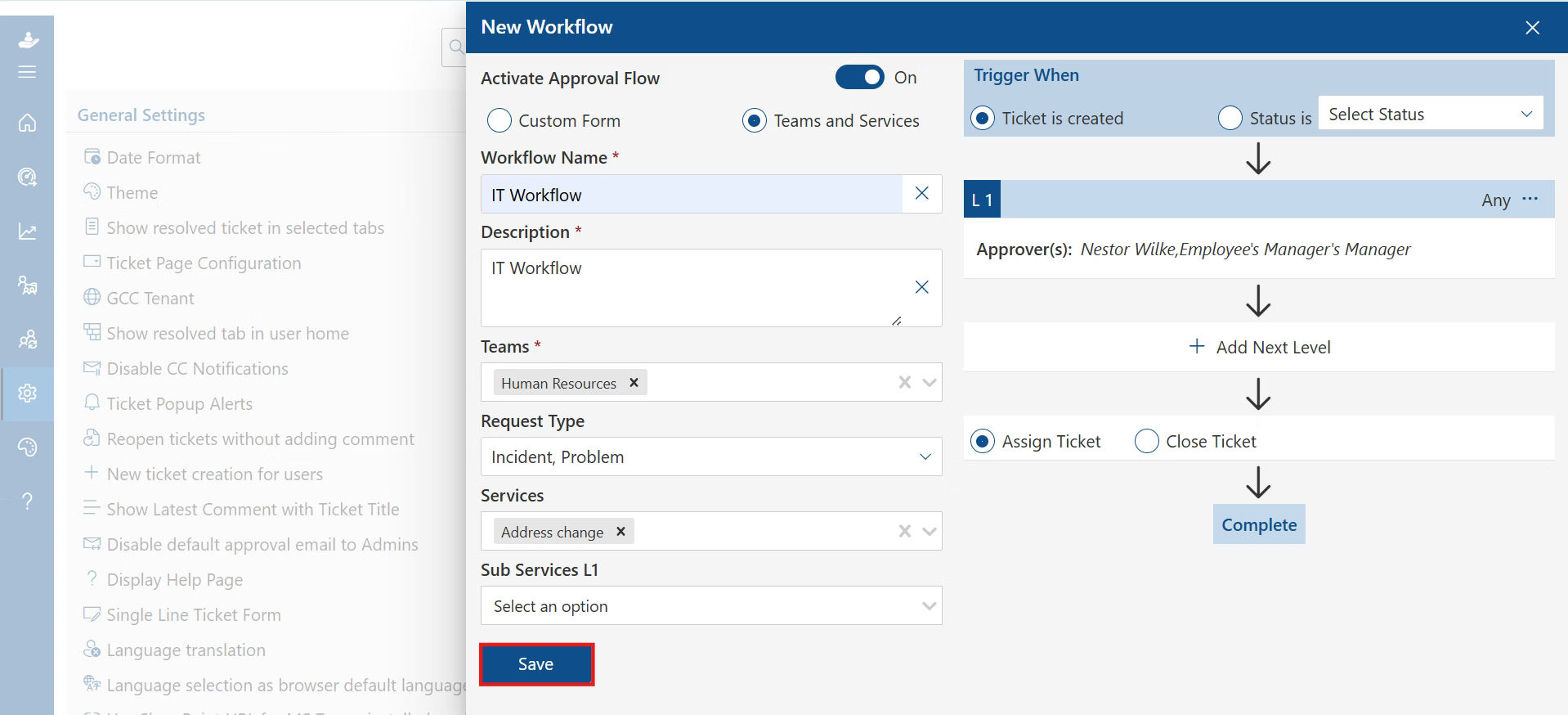
No more digging through cluttered inboxes. Ticketing systems bring order by centralizing all requests in one dashboard. Customizable workflows in helpdesk, let HR set rules, like auto-assigning payroll questions to a specialist. This saves time and ensures consistency. For example, TeamViewer used Freshdesk to streamline HR processes, cutting manual work by 40%.
4. Money in the Bank
HR ticketing systems save cash by automating repetitive tasks, reducing the need for extra staff. Cloud-based platforms like eliminate costly hardware expenses. They also prevent expensive errors, like missed compliance deadlines. A 2024 Forbes study estimated that automating HR tasks can save businesses $50,000 annually for every 100 employees.
5. Data That Drives Decisions
Ticketing systems collect data on every request, revealing patterns like frequent questions or slow processes. Analytics dashboard, for example, tracks ticket trends, helping HR identify training gaps. This insight lets teams improve services and plan better. Businesses using data-driven HR strategies are 30% more likely to outperform competitors, according to McKinsey.
6. Top-Notch Security
HR handles sensitive data, from Social Security numbers to performance reviews. Ticketing systems protect this info with encryption and user permissions. Freshdesk’s GDPR-compliant platform ensures only authorized staff access private tickets. Cloud security includes regular updates to block cyber threats, keeping employee data safe.
7. Ready for Growth
As your company expands, HR needs grow too. Ticketing systems scale effortlessly, handling more tickets or users without breaking a sweat. Enterprise-grade platform, for instance, supports global teams with multilingual options. A delivery startup, scaled from 100 to 1,000 employees, ServiceNow kept HR support seamless.
8. Plays Well with Other Tools
HR doesn’t work in a bubble. Ticketing systems integrate with platforms like Microsoft Teams, HR for a unified experience. Integration lets HR resolve tickets without leaving the chat app. These connections save time and give HR the full picture when addressing complex issues, like coordinating IT for new hires.
9. Self-Service Power
Self-service portals let employees solve their own problems, like checking leave balances or downloading forms. Customizable portal, for example, offers FAQs and guides tailored to your company. This cuts ticket volume by up to 50%, per a 2024 HubSpot report, freeing HR to focus on strategic goals like talent development.
10. Teamwork Makes the Dream Work
Ticketing systems foster collaboration across departments. If an employee’s request involves IT or finance, platforms let HR loop in other teams with shared tickets. This speeds up resolutions and reduces miscommunication. For example, TeamViewer’s HR and IT teams used to coordinate equipment requests, slashing delays by 30%.
Tackling Common Challenges
Adopting a new system can feel tricky. Some HR teams worry about costs, training, or data privacy. But most platforms, like Freshdesk, offer affordable plans and user-friendly setups. Training is often included, and vendors like provide 24/7 support.
Privacy concerns are addressed with secure, compliant systems. Start with a free trial to test the waters, then roll it out gradually. Helpdesk recommends piloting with a small team to build confidence.
Choosing the Perfect HR Ticketing System
Not all ticketing systems are created equal. Here’s how to pick the right one:
- User-Friendly Design: Go for intuitive platforms like Freshdesk, ideal for non-tech-savvy HR staff.
- Automation Features: Look for AI and rule-based workflows, like ServiceNow’s predictive ticketing.
- Integrations: Ensure it connects with tools like Slack or Workday for seamless operations.
- Scalability: Pick a system like that grows with your business.
- Support Quality: Choose vendors with responsive help, 24/7 chat.
- Analytics Tools: ServiceNow’s reports help track performance and spot trends.
Check user reviews on Capterra, where ServiceNow earns 4.5/5 from 2,000+ reviews. Free trials let you test features before committing.
What’s Next for HR Ticketing Systems
In 2026, HR ticketing systems are evolving fast. AI chatbots will handle complex queries, like explaining benefits packages, with human-like accuracy. Mobile apps, will let HR manage tickets anywhere. Augmented reality could even guide new hires through onboarding via interactive portals. Workativ predicts AI-driven automation will cut HR ticket resolution times by 40% this year. Embracing these trends now keeps HR teams ahead of the curve.
Top Competitors and Their Strengths
Web research highlights three leading players in HR ticketing systems:
1. Helpdesk 365:
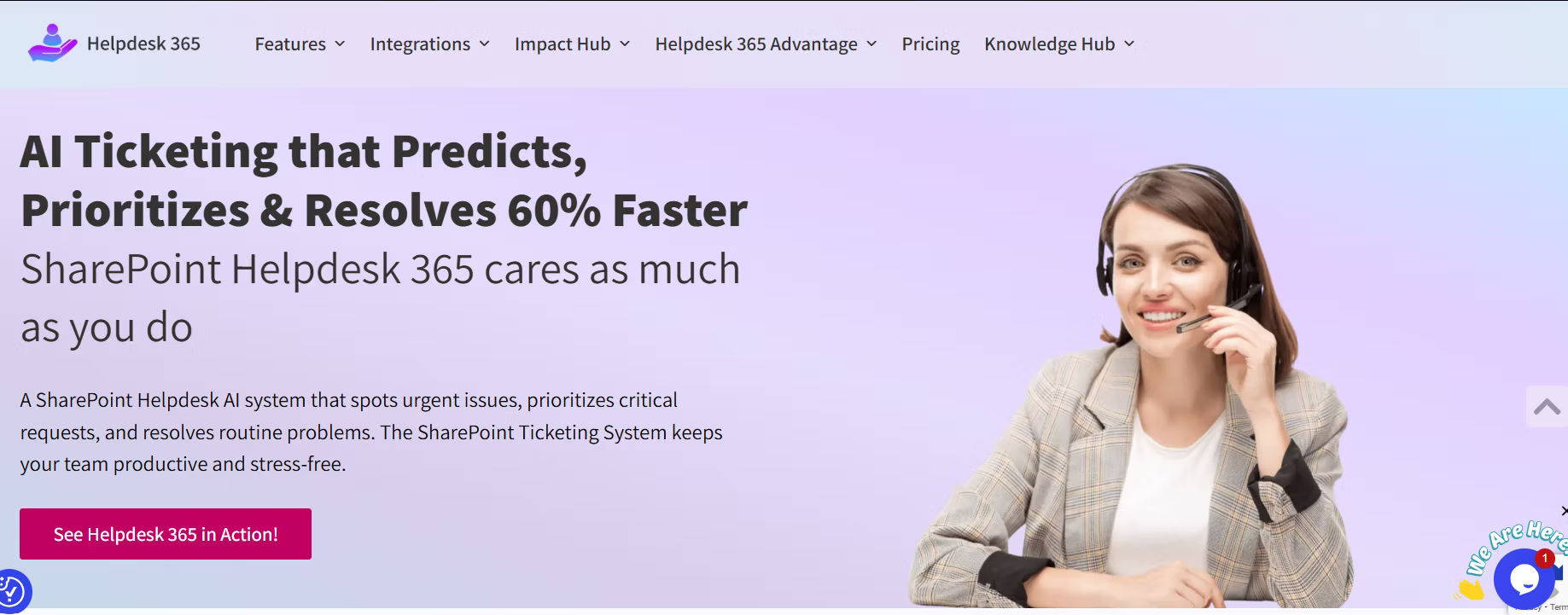
Efficient employee support is more important than ever. Helpdesk 365 offers a powerful solution to streamline your organization’s support system. Fully integrated with Microsoft Teams and SharePoint, it provides an easy-to-use, secure platform for managing and resolving employee queries.
Key Features of Helpdesk 365:
- Centralized Ticket Management: Track, manage, and resolve employee queries from a single platform, ensuring no issue is overlooked.
- Automation: Automate ticket assignments, responses, and escalations, reducing manual work and speeding up resolution times.
- Real-Time Analytics: Gain insights into ticket trends, response times, and employee satisfaction, helping HR teams improve support processes.
- Seamless Integration: Works seamlessly with Microsoft Teams and SharePoint for a unified experience within the tools your team already uses.
- Customizable Workflows: Tailor ticket workflows, categories, and priorities to fit your organization’s unique needs.
- Secure & User-Friendly: Built with security in mind, Helpdesk 365 ensures all employee data is safe, while providing an intuitive interface for easy adoption.
With Helpdesk 365, HR teams and support staff can efficiently track tickets, resolve issues, and manage requests, all from a centralized location. The system’s automation features save time and reduce manual work, allowing teams to focus on more strategic tasks.
By simplifying workflows and enhancing communication, Helpdesk 365 ensures faster resolutions and a better employee experience. It’s an essential tool for organizations looking to optimize their support system and boost overall efficiency.
2. ServiceNow:
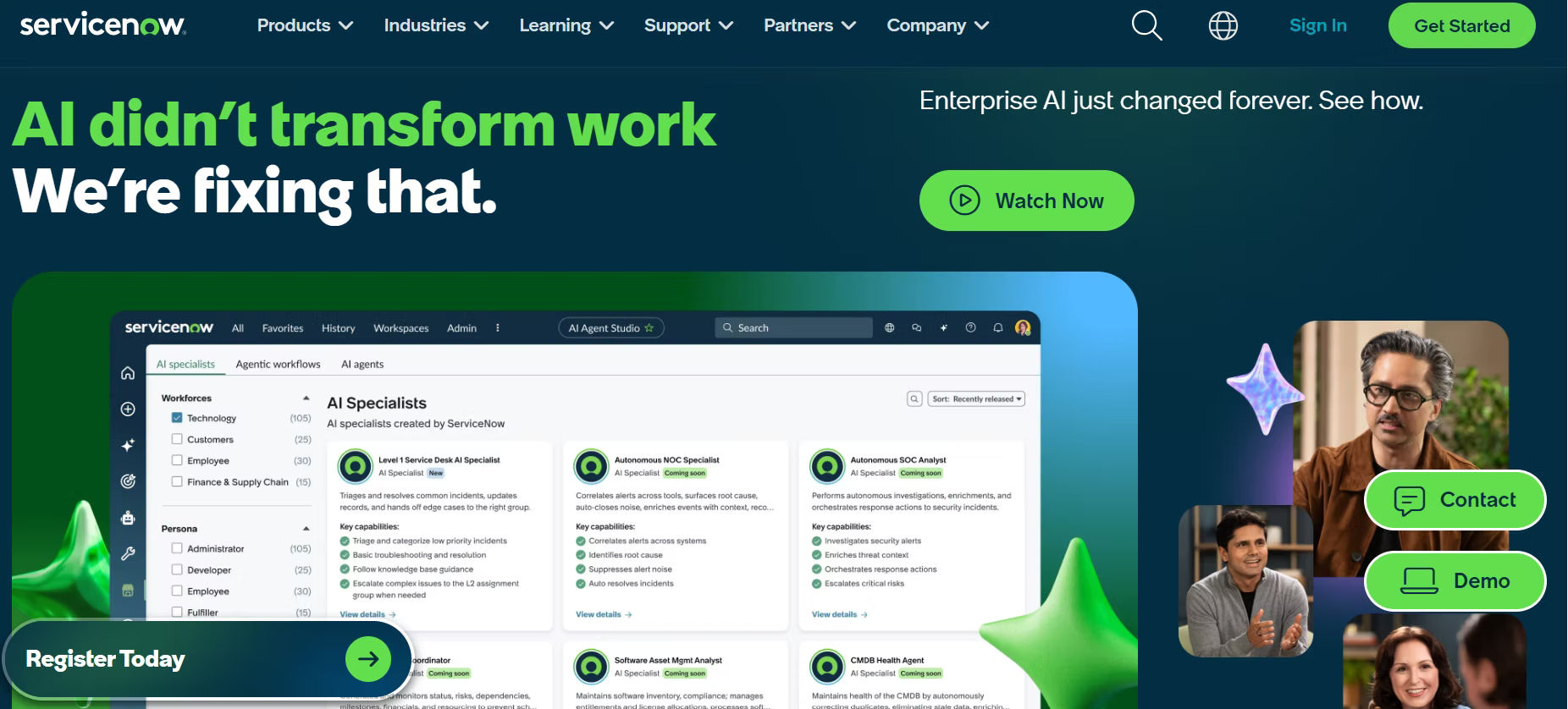
ServiceNow is a leading cloud-based platform that helps organizations automate their IT service management (ITSM) processes. It provides a suite of integrated applications designed to streamline workflows, enhance collaboration, and improve service delivery across various departments. ServiceNow is widely recognized for its ability to simplify complex tasks and boost productivity through its user-friendly interface and advanced features.
Key Features of ServiceNow:
- Incident & Request Management: Efficiently track, manage, and resolve IT incidents and service requests, ensuring minimal disruption to business operations.
- Automation & Workflow Optimization: Automate routine tasks and approvals, improving efficiency and reducing the need for manual intervention.
- Self-Service Portal: Empower end-users with a self-service portal to submit requests, track issues, and find solutions on their own, reducing the burden on IT teams.
- Service Catalog: Create a centralized catalog of available services, allowing employees to request and access resources quickly.
- Knowledge Management: Maintain a centralized knowledge base where IT teams can document solutions, best practices, and troubleshooting steps for easy reference.
- Real-Time Analytics: Gain insights into service performance, incident trends, and customer satisfaction to continuously improve service delivery.
- Integration Capabilities: Seamlessly integrate with other business systems, such as CRM tools, ERP platforms, and security systems, to create a unified service management ecosystem.
ServiceNow’s platform is built to support a wide range of IT functions, from incident management and change control to asset tracking and service desk operations. It also offers enterprise-level scalability, making it suitable for businesses of all sizes.
By automating IT workflows and providing real-time insights, ServiceNow helps businesses improve service efficiency, reduce operational costs, and enhance the overall employee experience. Whether it’s streamlining IT support or enhancing customer service, ServiceNow’s solutions drive digital transformation and help organizations stay competitive in an increasingly complex digital landscape.
3. Freshdesk:
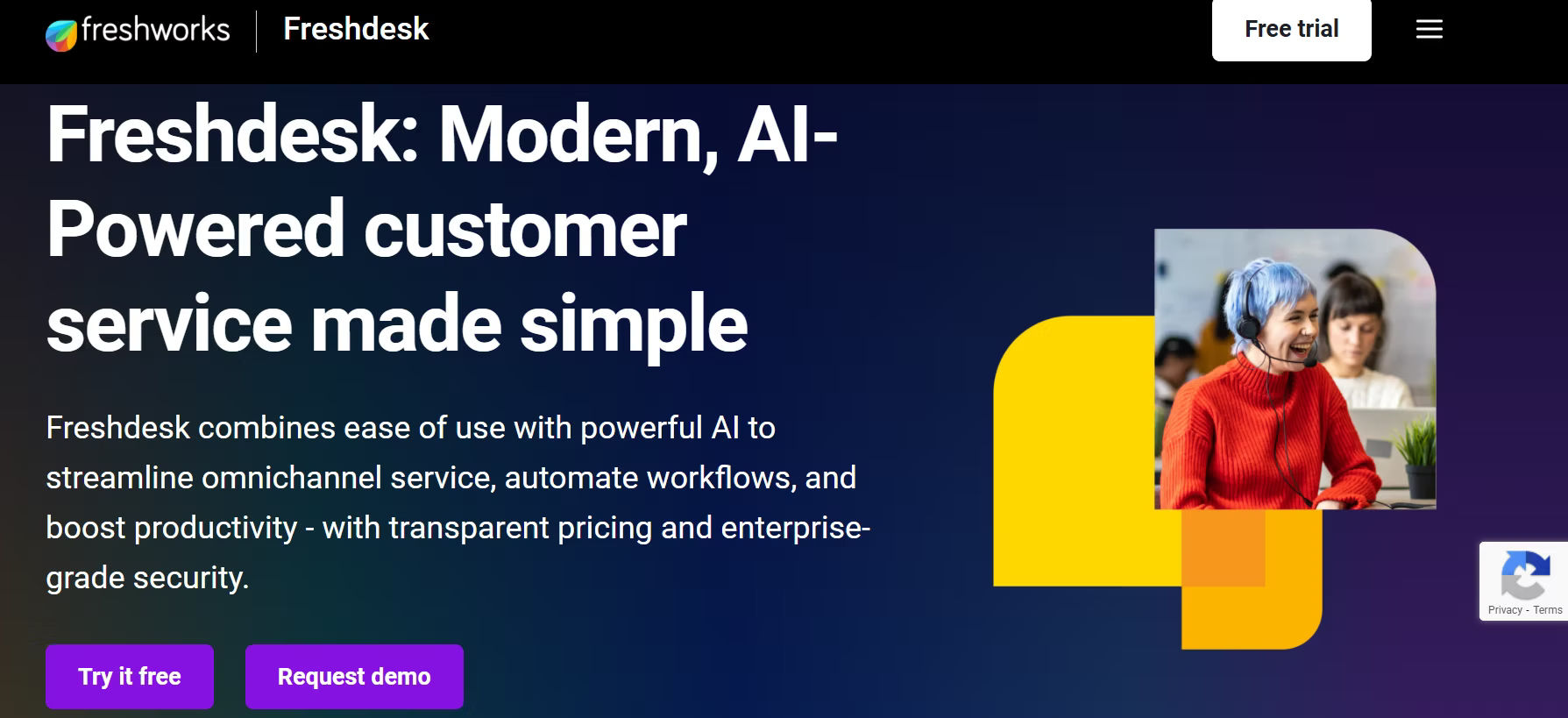
Freshdesk is a popular cloud-based customer support software designed to help businesses manage and streamline their customer service operations. It combines multiple communication channels, email, chat, phone, and social media, into one unified platform, allowing support teams to deliver faster, more efficient responses to customer queries. Known for its user-friendly interface and robust feature set, Freshdesk is ideal for businesses of all sizes looking to enhance their customer support experience.
Key Features of Freshdesk:
- Multi-Channel Support: Manage customer queries across email, live chat, social media, and phone from a single platform, ensuring no communication is missed.
- Ticket Management: Track and manage customer tickets with an easy-to-use interface, making it simple to assign, prioritize, and resolve issues in an organized manner.
- Automation: Automate repetitive tasks like ticket assignment, follow-ups, and escalations to improve response times and reduce manual workload.
- Knowledge Base: Build a self-service knowledge base for customers, allowing them to find answers to common questions and reducing the number of incoming support tickets.
- Customizable Workflows: Create customized workflows and automation rules that match your team’s unique processes and ensure efficient service delivery.
- Real-Time Analytics & Reporting: Gain insights into team performance, customer satisfaction, ticket trends, and more with detailed analytics and reporting features.
- Team Collaboration: Support agents can collaborate seamlessly within the platform, sharing notes, internal tickets, and resolutions to resolve customer issues faster.
- Integrations: Freshdesk integrates with various third-party apps and tools such as CRM software, Slack, Google Workspace, and more to create a unified customer support ecosystem.
Freshdesk is highly scalable, making it suitable for businesses from small startups to large enterprises. Its intuitive design and advanced features enable support teams to work smarter, providing quick resolutions and improving overall customer satisfaction.
By leveraging Freshdesk’s automation, ticketing, and reporting features, businesses can improve their customer service processes, boost efficiency, and ultimately, enhance customer relationships. With its affordable pricing plans, it’s an excellent choice for organizations looking to upgrade their customer support without the complexity.
4. SysAid:
SysAid is a robust IT service management (ITSM) solution designed to streamline and automate IT support processes across organizations. It combines a variety of IT management tools into a single platform, enabling IT teams to efficiently manage incidents, service requests, assets, and more. With its user-friendly interface and customizable features, SysAid helps businesses of all sizes improve IT operations, reduce costs, and enhance service delivery.
Key Features of SysAid:
- Incident & Request Management: Easily track, manage, and resolve IT incidents and service requests with automated workflows, ensuring quick and efficient issue resolution.
- Asset Management: Manage IT assets from procurement to retirement, keeping track of hardware and software usage, and ensuring compliance with organizational policies.
- Self-Service Portal: Empower end-users with a self-service portal to submit requests, track tickets, and find solutions independently, reducing the burden on IT teams.
- Automation & Workflow Customization: Automate repetitive tasks, such as ticket assignments, notifications, and escalations, and create custom workflows that suit your team’s specific needs.
- Knowledge Base: Build a centralized knowledge base to store solutions, troubleshooting steps, and best practices, allowing employees to resolve issues on their own and reducing ticket volume.
- Mobile Access: SysAid offers mobile applications that allow IT teams and end-users to access the platform on-the-go, ensuring support is always available, wherever needed.
- Advanced Reporting & Analytics: Gain insights into service performance, response times, ticket trends, and customer satisfaction with SysAid’s powerful reporting and analytics tools.
- Integrations: SysAid integrates seamlessly with a variety of third-party applications, including CRM systems, Microsoft tools, and others, creating a unified service management ecosystem.
SysAid is designed to support businesses of all sizes, from small enterprises to large corporations, with scalability that grows with your needs. Its flexible, all-in-one ITSM solution helps optimize IT processes, reduce manual tasks, and improve overall service quality.
With SysAid, IT teams can provide more efficient support, reduce operational overhead, and enhance the employee and customer experience. Its intuitive design, automation capabilities, and advanced features make it a strong choice for organizations looking to optimize their IT service management while improving productivity and service delivery.
Why 2026 Is the Year to Go All-In
Employees expect instant, hassle-free support in 2026. Falling short risks low morale and high turnover. A PwC study found that 65% of workers value responsive HR services when choosing to stay with a company. Ticketing systems also support hybrid work, ensuring remote and in-office staff get equal attention. Investing in a system now future-proofs your HR operations and strengthens your workplace culture.
Conclusion
HR help desk ticket systems are changing how companies support employees in 2026. They help HR teams respond faster, work smarter, and save time and money. From handling employee queries to improving workflows, these tools make HR support easier and more effective. Start with a trial and see how a ticketing system can make your HR team’s job simpler and more organized. In today’s busy work world, it is the smart way to unlock HR’s full potential.
Join Our Creative Community
Frequently Asked Questions
What does an HR help desk ticket system do?
It organizes employee inquiries into tickets, tracks their progress, and ensures quick resolutions. Employees submit questions via email, chat, or portals, and HR manages them in one place.
Are these systems good for small businesses?
Yes! Affordable options, like Helpdesk 365 offer simple plans for small teams, with features like automation and self-service to handle employee requests efficiently.
How do ticketing systems improve employee satisfaction?
They provide fast answers and self-service options, reducing wait times. SHRM says strong HR support boosts retention by 25%.
What should I look for in an HR ticketing system?
Focus on ease of use, automation, integrations, scalability, and analytics.
Are HR ticketing systems secure?
Top systems use encryption, GDPR compliance, and role-based access. Prioritize data protection to keep employee info safe.
Can AI help with HR ticketing?
Yes! AI chatbots, answer common questions instantly and predict issues, cutting resolution times by up to 40%.
How do ticketing systems support remote workers?
Cloud-based platforms and mobile apps let HR manage tickets from anywhere, ensuring remote employees get fast support.
What happens if I don’t use a ticketing system?
You risk delayed responses, lost requests, and unhappy employees. Manual processes also increase errors and compliance risks.


_JiluXJRGNl.svg)