_eH2jDg7dZ.png)
In the ever-evolving landscape of human resources, managing employee data effectively remains a cornerstone of organizational success, and in 2026, this is more true than ever.
As businesses of all sizes, from nimble startups to global enterprises, continue to modernize how they handle workforce information, employee database software has become essential for streamlining HR processes, ensuring compliance, and enhancing workforce engagement.
The Top 10 Employee Database Software Solutions for 2026 focus on centralized employee data management, ease of use, and scalability for modern organizations.
These tools help HR teams maintain accurate records, reduce manual effort, and support growing and distributed workforces.
These tools act as digital hubs that centralize employee information, automate tedious tasks, and provide actionable insights through analytics. With hybrid teams, distributed workforces, and rising employee expectations, intuitive, scalable, and mobile-friendly HR systems help organizations track certifications, manage onboarding, and integrate HR with payroll, IT, and performance management, transforming chaos into clarity.
Industry evaluations highlight that modern employee database tools now function as the backbone of HR systems, combining secure data management with self-service, analytics, and integrations across payroll, IT, and performance management.
According to Forbes Advisor’s HR software research, leading solutions are ranked based on usability, feature depth, integration capabilities, and value for growing teams, making employee data management a core decision factor for HR leaders.
What is Employee Database Software?
What is Employee Database Software?
Employee database software is a digital system that helps organizations store, organize, and manage employee information in one centralized platform. It replaces traditional methods such as spreadsheets, paper files, and disconnected tools by providing a structured way to maintain accurate and up-to-date employee records. This software acts as a single source of truth for HR teams, managers, and leadership.
Why Employee Database Software Is Important
Managing employee information manually becomes difficult as organizations grow. Employee database software plays a critical role in maintaining order and consistency across HR operations.
- Reduces manual data entry and repetitive administrative work
- Keeps employee information accurate and consistent
- Eliminates data duplication across teams and tools
- Supports faster decision-making with reliable workforce data
- Improves coordination between HR, managers, and leadership
What Information Does an Employee Database Store?
Employee database software is designed to manage a wide range of employee-related information in an organized manner.
- Personal details such as name, contact information, and location
- Job-related data including role, department, and reporting manager
- Employment history and role changes
- Onboarding documents, policies, and acknowledgements
- Certifications, compliance records, and important files
Having all this information in one place makes it easier for HR teams to manage records and respond to internal queries efficiently.
How Employee Database Software Supports Modern Workforces
With remote work, hybrid models, and distributed teams becoming common, employee database software helps organizations stay organized and connected.
- Centralizes employee data across multiple locations
- Supports remote and hybrid teams with consistent records
- Improves visibility into workforce structure
- Reduces dependency on emails and offline documents
- Helps managers access relevant employee information when needed
This centralized approach ensures that employee data remains reliable regardless of where teams are located.
Top 10 best employee database software solutions for 2026
1. Employee Directory 365
Best for: Microsoft 365 users seeking a seamless, integrated employee database.
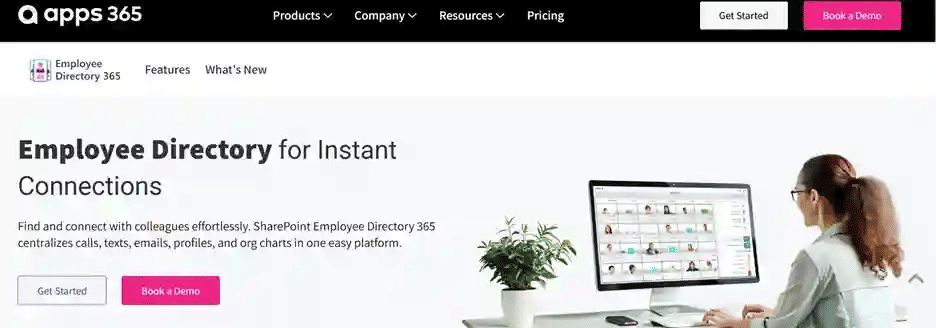
Employee Directory 365, a standout solution for organizations already embedded in the Microsoft 365 ecosystem. This software leverages the power of SharePoint and Teams to create a dynamic, cloud-based employee database that’s both secure and accessible. Designed with simplicity in mind, it offers a centralized hub for storing employee profiles, contact details, and organizational charts, making it a go-to for businesses prioritizing integration and ease of use.
In 2026, Employee Directory 365 shines for its ability to sync with Microsoft tools like Outlook and Teams, ensuring real-time updates to employee data. HR teams can customize fields to track everything from job titles to certifications, while employees enjoy a self-service portal to update personal info. Its mobile-friendly design and robust search capabilities make it ideal for hybrid or remote teams needing quick access to coworker details.
Key Features:
- Seamless integration with Microsoft 365 (Teams, SharePoint, Outlook)
- Customizable employee profiles and org charts
- Mobile app for on-the-go access
- Advanced search with filters for skills and departments
Why It’s Great choice: With Microsoft 365’s widespread adoption, Employee Directory 365 offers a low-learning-curve solution that maximizes existing investments, perfect for businesses aiming to unify HR and communication tools.
G2 Review: 4.8/5
2. Connecteam
Best for: Mobile-first HR management for deskless teams.
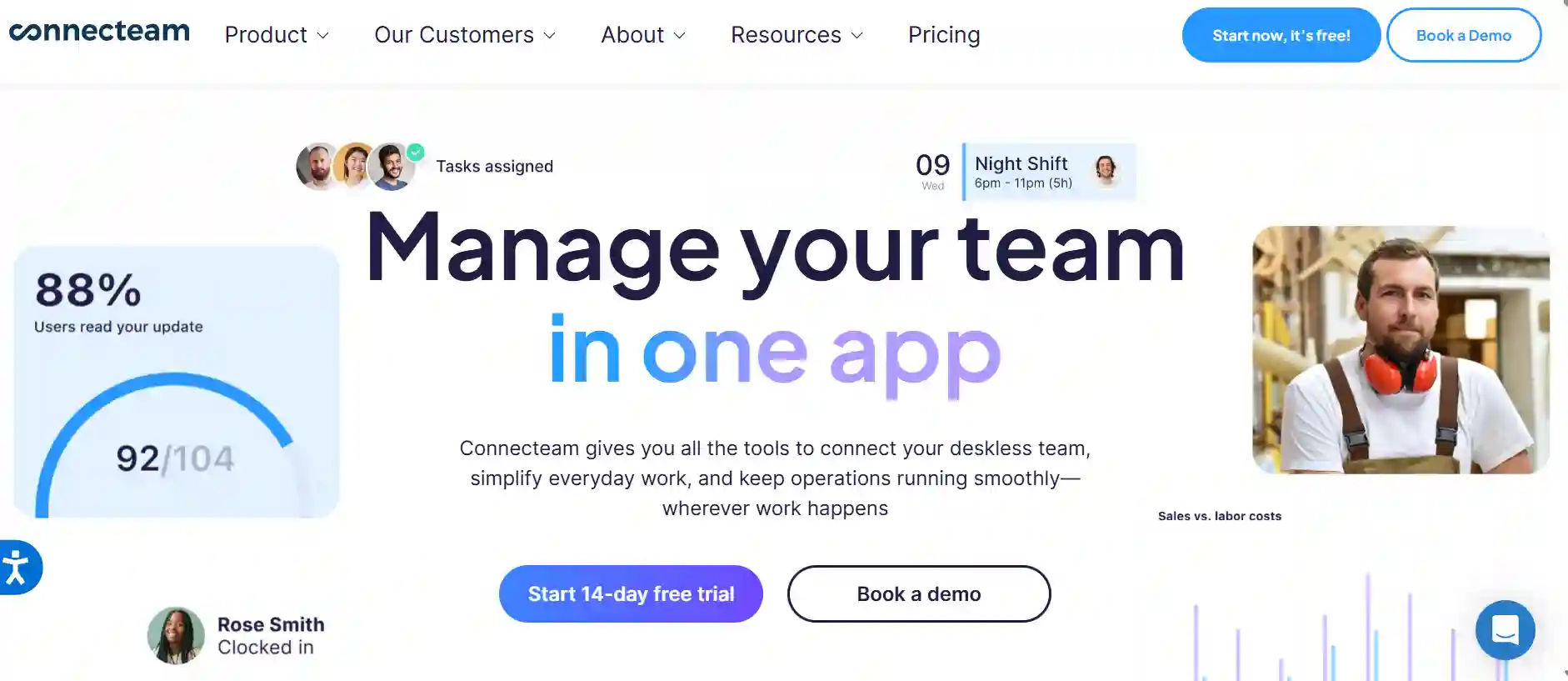
Connecteam earns its spot as a leader for businesses with non-desk workforces—think retail, construction, or healthcare. This all-in-one platform combines employee database management with scheduling, communication, and training tools, all accessible via a top-notch mobile app. In 2026, its focus on deskless employees makes it indispensable for industries where workers are rarely at a desk but still need access to their data.
Connecteam’s cloud-based system stores employee records securely, with features like document uploads, expiration alerts for certifications, and digital onboarding workflows. Employees can request time off, check schedules, or upload training certificates from their phones, while managers gain oversight through custom reports. Starting at $29/month for up to 30 users (with a free plan for small teams), it’s a cost-effective choice for growing businesses.
Key Features:
- Real-time document storage and backups
- Mobile self-service for employees
- Certification tracking with expiration notifications
- Affordable pricing with a free tier
Why It’s Great choice: As deskless workers become a larger share of the workforce, Connecteam’s mobile-first approach ensures no one’s left out of the HR loop.
3. Rippling
Best for: Unified HR and IT management.
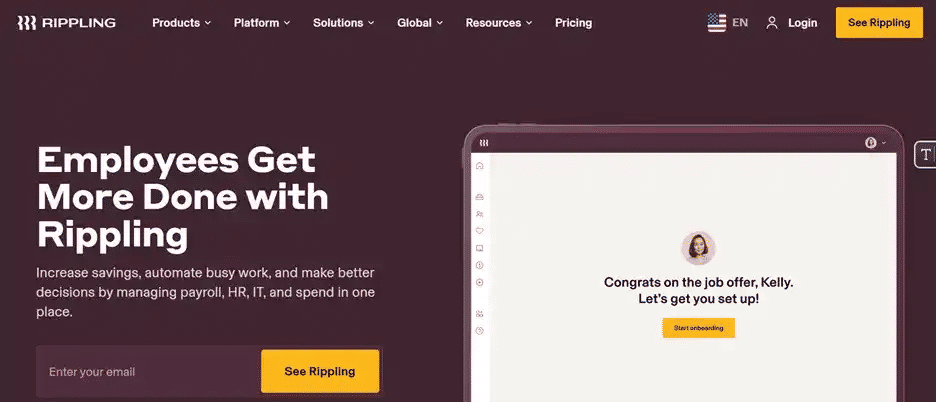
Rippling is a powerhouse that redefines employee database software by blending HR with IT and payroll management. Ideal for scaling businesses, it centralizes employee data and syncs it across platforms like Slack, Zoom, or Google Workspace. In 2026, its ability to automate workflows and manage global teams sets it apart for tech-forward companies.
Rippling’s strength lies in its unified system—update an employee’s profile, and it reflects in payroll, benefits, and device access instantly. Its customizable dashboards and compliance tools make it a favorite for HR pros juggling multiple responsibilities. While pricing isn’t public, its scalability (from 2 to 2,000+ employees) makes it worth a demo.
Key Features:
- HR-IT-payroll integration
- Automated onboarding and offboarding
- Global workforce management
- Custom workflows for unique needs
Why It’s Great choice: As businesses expand internationally, Rippling’s all-in-one approach simplifies complex workforce management.
4. BambooHR
Best for: Small to mid-sized businesses.
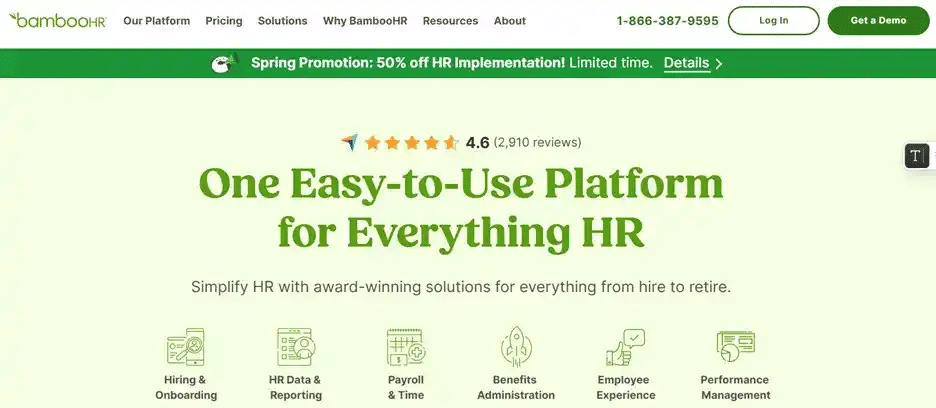
BambooHR offers a straightforward, intuitive solution for growing companies that need robust HR tools without enterprise-level complexity. Its clean interface houses employee records, tracks time off, and generates performance reports, making it a staple for SMBs in 2026. It’s less about bells and whistles and more about getting the basics right—perfect for teams with limited HR bandwidth.
With features like applicant tracking and onboarding checklists, Bamboo HR keeps employee data organized and accessible. Its mobile app ensures managers and employees stay connected, whether in the office or remote.
Key Features:
- Centralized employee records
- Automated onboarding processes
- Customizable reporting tools
- Mobile access for flexibility
Why It’s Great choice: For SMBs looking to scale without overcomplicating HR, BambooHR delivers reliability and ease.
5. Zoho People
Best for: Businesses in the Zoho ecosystem.
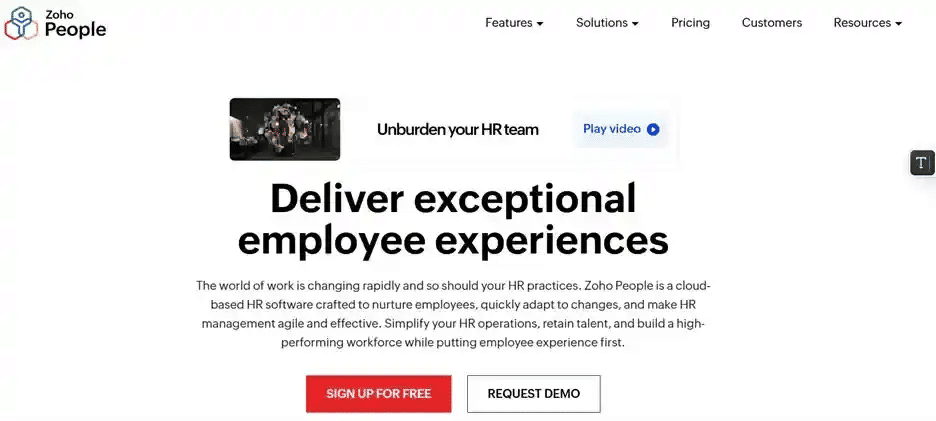
Zoho People is a cloud-based HR solution that excels in customization and integration, especially for teams using Zoho’s suite of apps. In 2026, its natural language processing (NLP)-powered search and mobile accessibility make it a strong pick for remote-friendly organizations. It’s a versatile tool that grows with your business, from onboarding to performance tracking.
Employees can update their profiles, request leave, or access training materials via self-service portals, reducing HR’s workload. Its affordability and scalability make it a smart choice for small to mid-sized firms.
Key Features:
- NLP-driven search for employee data
- Self-service portals for employees
- Attendance and leave tracking
- Seamless Zoho app integration
Why It’s Great choice: Zoho People’s flexibility and ecosystem synergy make it a cost-effective gem for Zoho users.
6. Pingboard
Best for: Large enterprises with complex needs.
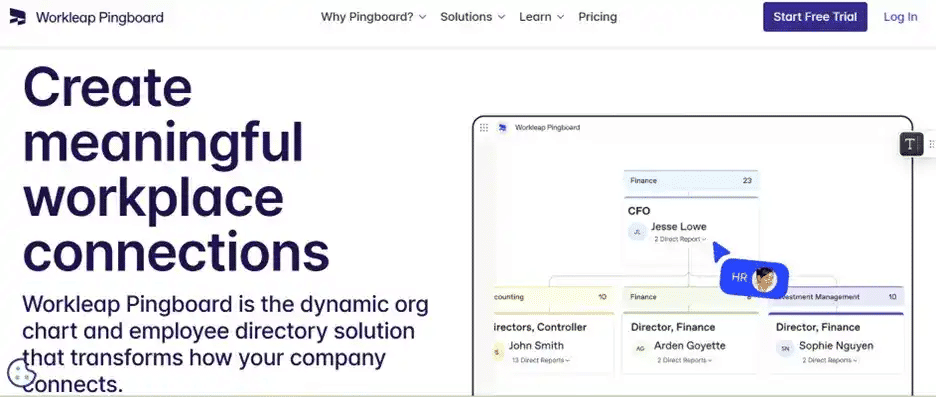
Pingboard is designed for dynamic, people-first organizations. In 2026, its intuitive org charts, smart employee directory, and real-time collaboration features make it a go-to solution for businesses focused on transparency and team connectivity. It’s more than just a directory—it’s a tool for building stronger workplace relationships.
With instant profile updates, role-based access, and integrations with tools like Slack and Microsoft 365, Pingboard keeps teams aligned. Pricing is flexible, making it a great fit for growing companies that value seamless employee engagement.
Key Features:
- Interactive org charts for clear team visibility
- Smart employee directory with real-time updates
Why It’s a Great Choice: For teams that prioritize transparency and collaboration, Pingboard’s intuitive org charts and smart directory make connecting effortless.
7. One Directory
Best for: Companies seeking a streamlined employee directory solution.
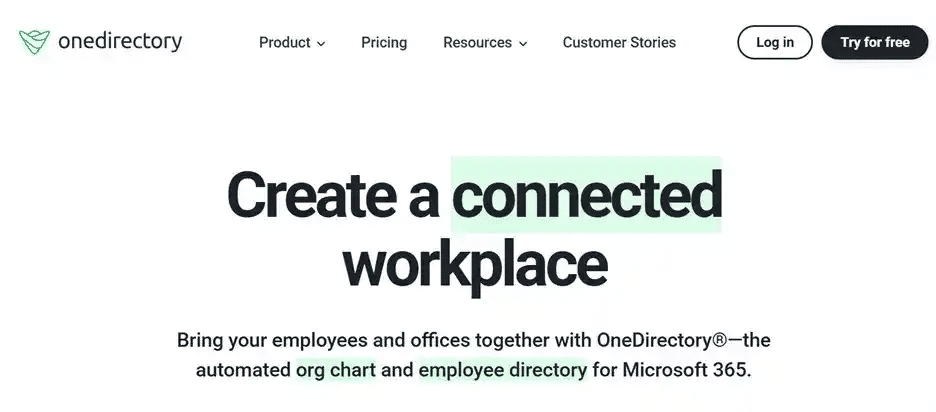
OneDirectory simplifies employee directory management with a modern, user-friendly platform designed for growing businesses. In 2026, its focus on intuitive search, organizational charts, and seamless integrations makes it a go-to solution for companies aiming to enhance internal connectivity.
With smart filtering, role-based access, and integration with Microsoft 365, OneDirectory improves team collaboration while reducing time spent searching for contacts. Pricing is flexible, making it a scalable choice for businesses of all sizes.
Key Features:
- Centralized employee directory
- Advanced search and smart filtering
Why It’s a Great Choice: For businesses aiming to improve internal connectivity without complexity, OneDirectory offers a seamless, intuitive solution.
8. Eddy
Best for: Small businesses on a budget.
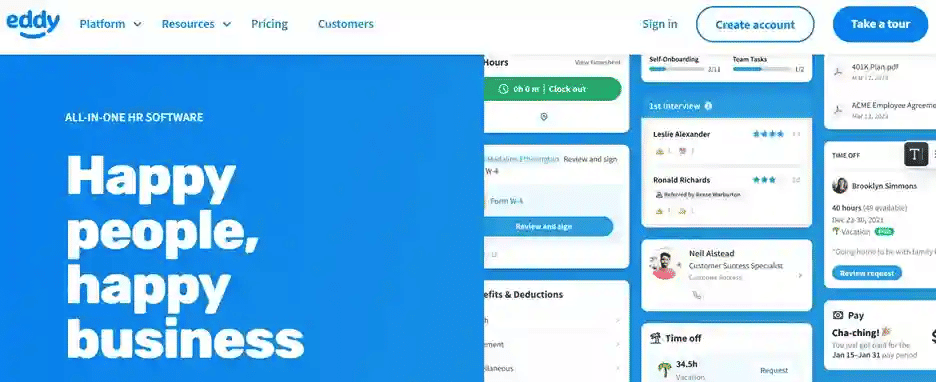
Eddy is an SMB-friendly platform that packs hiring, payroll, and employee database features into an affordable package. In 2026, its geotagged time-tracking and compliance tools make it a practical choice for small teams needing efficiency without breaking the bank.
Eddy’s digital onboarding and document storage streamline HR tasks, while its mobile app keeps employees engaged. It’s a lean, mean solution for startups and small firms.
Key Features:
- Digital onboarding workflows
- Geotagged time-tracking
- Affordable pricing structure
- Mobile app for accessibility
Why It’s Great choice: Eddy’s simplicity and cost-effectiveness empower small businesses to punch above their weight.
9. Namely
Best for: Mid-sized firms prioritizing engagement.
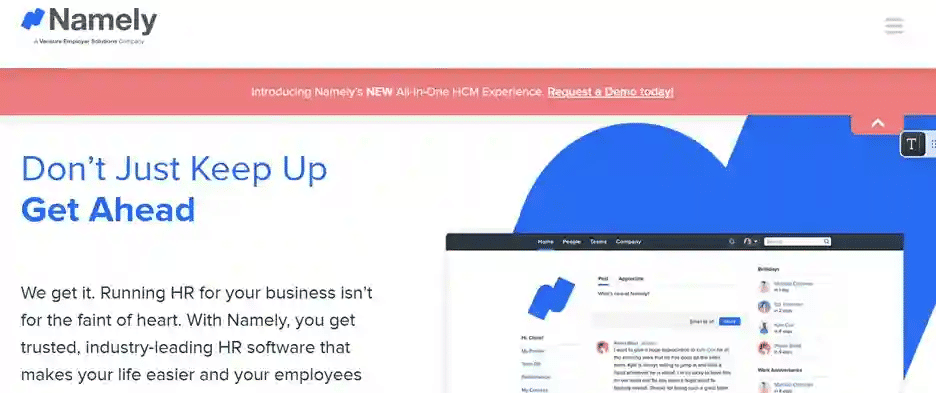
Namely combines employee database management with a social media-inspired interface, fostering engagement through news feeds and recognition tools. In 2026, its focus on culture and connectivity makes it a hit for mid-sized companies wanting to boost morale alongside HR efficiency.
With payroll, benefits, and performance tracking, Namely offers a comprehensive yet flexible platform. Implementation takes weeks, not months, making it a practical mid-tier choice.
Key Features:
- Social-style engagement features
- Configurable HR database
- Payroll and benefits management
- Quick rollout for mid-sized teams
Why It’s Great choice: Namely’s blend of functionality and fun keeps employees connected in hybrid workplaces.
10. Beyond Intranet
Best for: Enterprise-level workforce management.
Beyond Intranet, a dynamic solution for modern workplaces. In 2026, its powerful collaboration tools, employee engagement features, and seamless Microsoft 365 integration make it a top choice for businesses streamlining internal communication. It’s feature-rich yet user-friendly.
Beyond Intranet’s customizable dashboards and AI-driven search enhance productivity, while robust security ensures data protection. It’s the go-to platform for organizations looking to foster a connected and efficient workplace.
Key Features:
- Centralized knowledge and document management
- Real-time collaboration and secure data storage
Why It’s a Great Choice: Beyond Intranet combines powerful features with seamless collaboration, keeping teams connected and productive in modern workplaces.
Choosing the Right Employee Database Software for 2026
When selecting the best employee database software for 2026, consider the following key factors:
Centralized Employee Records – Maintain all employee data in one secure location for easy access and management.
Seamless Integrations – Ensure compatibility with payroll, HR, and collaboration tools like Microsoft 365 and Slack.
Real-Time Data Access – Enable quick updates and instant retrieval of employee information.
Robust Security & Compliance – Protect sensitive data with encryption, access controls, and compliance with labor laws.
Employee Self-Service Features – Allow employees to update personal details, request leave, and access documents independently.
Automation & AI Insights – Streamline administrative tasks and gain valuable workforce insights for better decision-making.
Scalability & Customization – Choose a solution that grows with your business and adapts to unique organizational needs.
Investing in the right employee database software ensures smoother HR operations, improved efficiency, and better workforce management in 2026.
Why Employee Database Softwae is Essential in 2026
Employee database software is no longer a luxury—it’s a necessity. As businesses navigate hybrid work models and increasing compliance requirements, having a centralized, secure, and intelligent system to manage employee data is crucial.
Efficient Workforce Management – Streamlines employee records, payroll, and benefits management in one place.
Data Security & Compliance – Ensures protection of sensitive employee information while meeting labor law regulations.
Seamless Remote & Hybrid Work Support – Provides real-time access to employee data from anywhere, enhancing flexibility.
Automation for HR Efficiency – Reduces manual tasks like onboarding, attendance tracking, and leave management.
AI-Powered Insights – Helps HR teams make data-driven decisions for better workforce planning and employee engagement.
Scalability & Growth – Adapts to business expansion with customizable features and integrations.
As 2026 brings new workforce challenges, investing in employee database software ensures smoother operations, compliance, and improved employee experiences.
Emerging Trends in Employee Database Software for 2026
As technology evolves, employee database software is transforming to meet the needs of modern workplaces. Here are the key trends shaping the industry in 2026:
AI & Automation – Intelligent systems automate HR tasks like onboarding, attendance tracking, and compliance management.
Cloud-Based Solutions – Secure, remote access to employee records ensures flexibility for hybrid and global teams.
Advanced Data Security & Compliance – Enhanced encryption, role-based access, and compliance tools protect sensitive employee information.
Integration with HR & Collaboration Tools – Seamless connections with payroll, performance management, and communication platforms like Microsoft 365 and Slack.
Self-Service Portals – Employees can update personal details, request leave, and access company documents anytime.
Predictive Analytics & Workforce Insights – AI-driven analytics help HR teams make proactive workforce decisions.
Mobile Accessibility – Mobile-friendly interfaces allow HR and employees to access data on the go.
Staying ahead of these emerging trends ensures businesses adopt efficient, secure, and scalable employee database solutions in 2026.
Conclusion
These top 10 employee database software solutions for 2026 offer something for everyone. Whether you’re managing a handful of freelancers or a global workforce, these tools streamline HR, boost compliance, and empower your team.
Which solution resonates with your needs? Drop your thoughts in the comments, and let’s keep the HR tech conversation going. Here’s to a smarter, more connected workplace in 2026!
Join Our Creative Community
Frequently Asked Questions
What is the best employee management software?
The best employee management software helps organizations manage employee information, roles, and workflows in one centralized system. It supports day-to-day HR activities such as maintaining records, managing teams, and improving coordination across departments.
How does an HR database management system help organizations?
An HR database management system stores and organizes employee data in a structured format. It helps HR teams maintain accurate records, reduce manual effort, and ensure consistency across employee information throughout the organization.
What is an employee management system used for?
An employee management system is used to manage employee details, track employment changes, and support HR processes in one place. It helps organizations stay organized and maintain clear visibility into their workforce.
Is an employee management app suitable for remote and hybrid teams?
Yes, an employee management app is well-suited for remote and hybrid teams because it allows employee information to be managed and updated from anywhere. This ensures that teams remain connected and aligned regardless of location.
What features should I look for in the best employee management software?
The best employee management software typically includes centralized employee records, role-based permissions, document management, and easy navigation. These features help HR teams manage information efficiently as organizations grow.
Can an HR database management system support growing businesses?
An HR database management system supports growing businesses by keeping employee data organized as headcount increases. It provides a structured foundation that helps organizations scale their HR operations without confusion.
What is the difference between an employee management system and an employee management app?
An employee management system refers to the overall platform used to manage employee data and processes, while an employee management app usually offers mobile or simplified access to that system for employees and managers.


_JiluXJRGNl.svg)