Appraisal Cycle
A Complete, Structured Approach to Performance Reviews
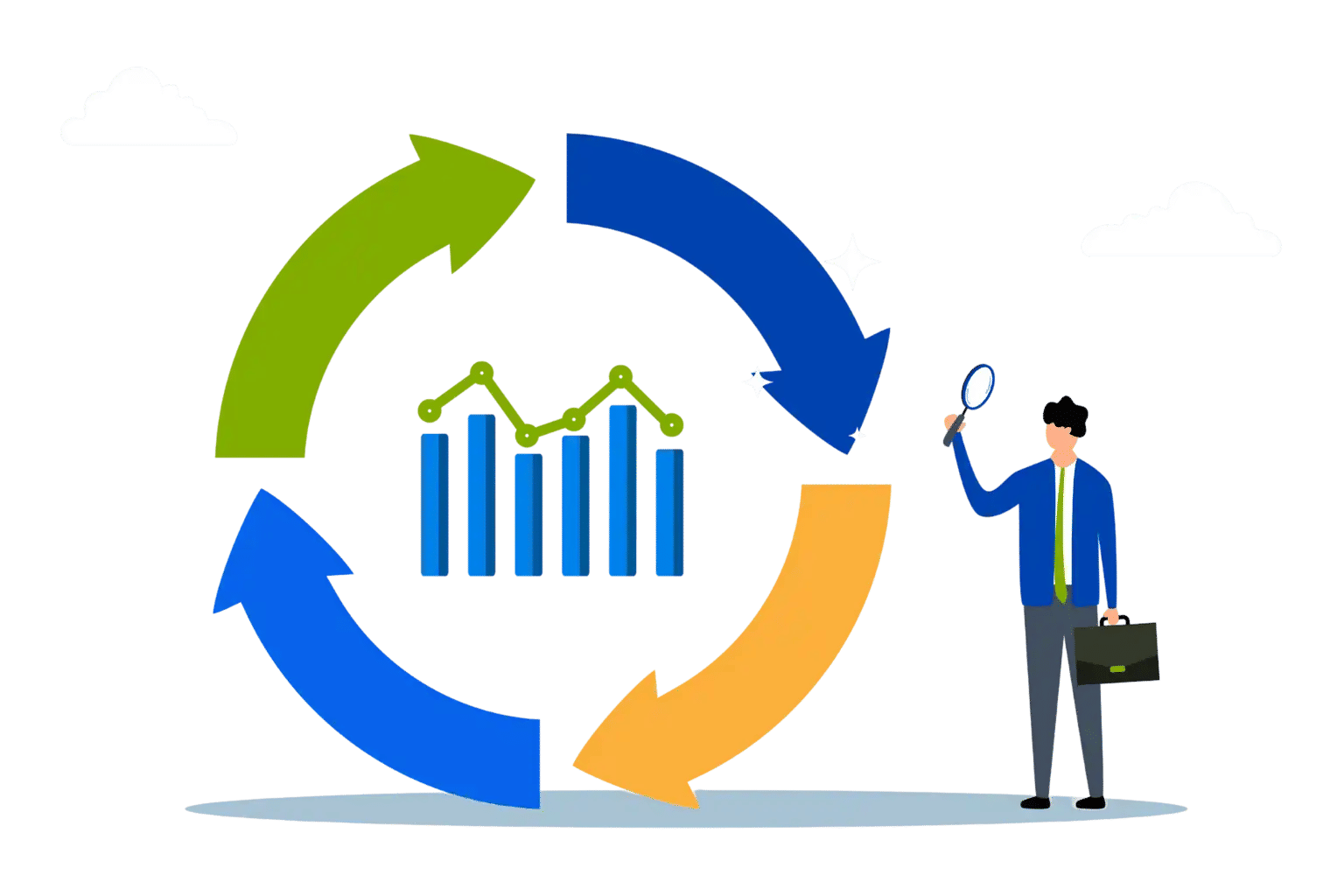
The Appraisal Cycle gives your organization a clear and organized way to manage performance reviews from beginning to end. Every stage from setting timelines to collecting evaluations becomes streamlined, transparent, and easy for employees, managers, and HR to follow.
Continuous Visibility Into Every Review Stage
Follow up on the appraisal path and understand the progress at every stage. Understand what reviews are underway, what reviews need to be followed, and what is on the way to go, so nothing slows down or is overlooked.

Review Progress Overview
Get a status update on the position of every employee and manager in the review process. Find it easy to locate completed assessments, outstanding assignments, and deadlines.

Goal Achievement Insights
Track the performance of employees with respect to their annual targets. Immediately view achievements, issues, and other areas that could require further growth or maintenance.
Performance Summaries
See team and departmental performance highlights. Summaries enable leaders to know trends, identify strengths and areas of improvement.
Year-End Review Trends
Determine annual performance trends. Know where you are improving or where you are not and how your workforce is evolving with time.

Turn Appraisal Data Into Actionable Insights
Performance data becomes a powerful resource when reviewed holistically. These insights support smarter talent planning, stronger development strategies, and more informed leadership decisions.
Talent Identification Dashboard
Spot high-potential employees and consistent performers with clear, data-driven insights that support succession planning and leadership development.
This helps organizations recognize emerging leaders early, ensuring the right people are prepared for the right roles at the right time.
Development Opportunity Mapping
Determine training requirements and skills gaps based on the results of the appraisal. Develop plans and developmental paths with certainty. Knowing strengths and weaknesses on a more detailed level, the HR and managers will be able to develop individualized development programs that will lead to long-term success of employees.
Performance Distribution Analysis
Imagine the distribution of ratings within the teams so that there will be the consistency, fairness and equal expectations in the organization.
This transparency helps reduce bias, align manager expectations, and create a more equitable performance culture across departments.
Historical Appraisal Comparisons
Compare performance on more than one appraisal period. Monitor growth, identify areas that need improvement, and measure long-term growth. The insights can assist organizations in their realization of performance trends over time, enhance coaching approaches, and the effectiveness of development initiatives.
Where Every Review Shapes Stronger Performance
A well-structured appraisal cycle makes performance reviews clearer, fairer, and more meaningful. Here are the areas where it creates the strongest value across your organization:

Ensuring Timely Review Completion
With clear start and end dates, appraisal cycles keep evaluations on schedule. No missed deadlines, no last-minute rush just a smooth, predictable review process.

Supporting Fair and Consistent Evaluations
Standardized templates, defined criteria, and calibration options help managers evaluate employees consistently, reducing bias and improving review quality across teams.

Strengthening Employee–Manager Alignment
Goal review, feedback exchange, and structured discussions ensure both sides stay aligned on achievements, expectations, and growth areas throughout the cycle.

Improving Long-Term Performance Insights
Recurring cycles quarterly, semi-annual, or annual provide clear historical data, helping organizations track progress, identify trends, and plan development strategies with confidence.

Improve Your Appraisal Cycle for Impact That Lasts
Frequently Asked Questions
A performance appraisal system is a structured method for evaluating employee performance over a set period. Companies use it to track progress, set expectations, and support employee development through clear, consistent feedback.
An employee performance appraisal system helps employees understand their strengths, improvement areas, and future goals. It gives managers a clear framework to guide development, offer coaching, and plan long-term career growth.
An annual performance appraisal is a once-a-year review where managers and employees discuss achievements, challenges, and growth opportunities. This yearly evaluation helps align expectations and set the direction for the next performance cycle.
The 360-appraisal method gathers feedback from peers, managers, and sometimes clients to provide a well-rounded performance picture. This method reduces bias and creates a more balanced, accurate assessment of an employee’s overall contribution.
An employee performance appraisal is essential because it improves communication, builds trust, and ensures employees receive meaningful feedback. It also helps organizations identify top performers and plan better training and development programs.
A staff performance evaluation provides managers with insights into team strengths, skill gaps, and improvement opportunities. For staff, it builds clarity, boosts confidence, and encourages continuous learning throughout the year.