LMS for IT Industry: Enhancing Skills for Digital Success
LMS for the IT industry plays a crucial role in empowering employees with the skills they need to stay competitive, drive innovation, and succeed in a digital-first world.
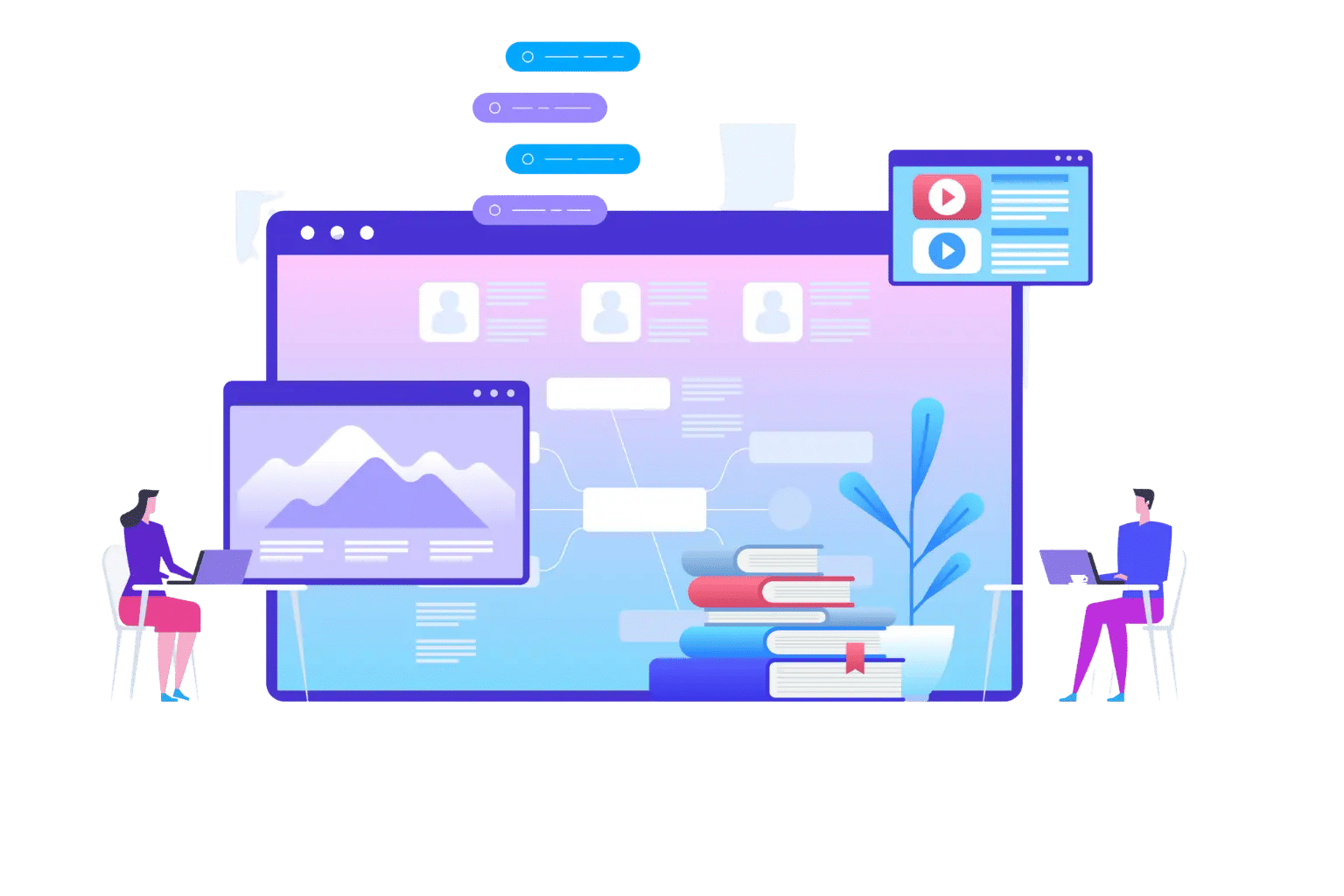
In today’s fast-paced IT industry, staying updated with new technologies is essential for both individual growth and overall business success. Learning Management Systems (LMS) have transformed the way businesses manage employee training. These tools help employees sharpen their digital skills, ensuring they stay relevant in an ever-changing tech landscape. By simplifying training processes, LMS platforms offer personalized learning experiences, allowing employees to learn at their own pace while boosting productivity and performance.
According to a study, 70% of organizations say they see a measurable increase in employee performance after implementing an LMS. Additionally, Gartner reports that organizations using LMS platforms for digital learning tend to achieve better employee retention and higher engagement levels. These systems not only make training more accessible but also allow businesses to align learning programs with specific skill sets required for success in the IT field.
What is LMS for IT?
An LMS for IT is a robust platform designed to enhance the training and development of IT professionals. It offers a wide range of courses, certifications, and resources tailored to the fast-paced, ever-evolving world of technology. This system acts as a centralized hub for learning, enabling IT teams to stay updated with the latest industry trends, tools, and best practices.
With features like progress tracking, skill assessments, and customized learning paths, an LMS for IT empowers professionals to refine their expertise and maintain compliance with industry standards. Whether it’s for onboarding new hires or upskilling existing teams, an LMS ensures your IT staff is always equipped with the knowledge and skills necessary to drive innovation and stay competitive.
Why LMS is Important for the IT Industry
The IT industry is in a constant state of flux, with new technologies, tools, and practices emerging at a rapid pace. To stay ahead of the curve and maintain a competitive edge, businesses must prioritize continuous learning for their employees. A Learning Management System (LMS) serves as the perfect solution, offering a centralized platform for training, skill development, and professional growth. By utilizing an LMS, companies can seamlessly adapt to industry shifts and ensure their teams are equipped to tackle future challenges. Below are several compelling reasons why an LMS is crucial for the IT sector
An LMS also enables companies to efficiently manage certifications, track progress, and ensure compliance with ever-changing industry regulations. With automated reminders and skill assessments, employees can stay on track with their learning journey, reducing the risk of outdated knowledge or missed deadlines. Additionally, the ability to customize learning paths means that training can be tailored to meet the specific needs of each team member, fostering a more effective and personalized learning experience that drives both individual and organizational success.
Benefits of LMS for the IT Industry
LMS for the IT industry offers scalable, on-demand training that keeps employees up to date with evolving technologies, driving skill development and business growth.
- Continuous Skill Development
LMS platforms provide a scalable and efficient way to develop IT skills continuously. With the rapid pace of technological advancements, it’s essential that employees keep their skills updated. With LMS, IT teams can access training resources anytime, which ensures ongoing learning. A report from LinkedIn Learning found that employees who engage in continuous learning are 27% more likely to stay with their company. - Cost-Effective Training
Traditional training methods, including in-person workshops or conferences, can be costly for IT companies. These methods not only require travel expenses but also take time away from employees’ primary responsibilities. By implementing LMS solutions, IT businesses can reduce these costs by offering remote learning opportunities. This means employees can learn and grow without incurring travel costs, making it more affordable for the organization. - Personalized Learning Paths
One of the most powerful features of LMS is the ability to create personalized learning paths. Each employee can have their own course tailored to their current role, career aspirations, and skill gaps. In the IT industry, this is particularly important because job roles can vary widely, and the skills needed to perform these roles also differ significantly. Personalized learning paths make training relevant to each employee’s career goals. - Increased Employee Engagement
LMS platforms enhance employee engagement by offering interactive and varied learning formats, such as quizzes, video tutorials, and discussion forums. This interactive approach makes learning more enjoyable and encourages active participation, leading to better retention of knowledge. In the IT industry, where innovation is key, an engaged workforce is more likely to stay motivated and contribute to the company’s success. - Scalable Learning Solutions
As IT companies grow, so does the need for training. LMS platforms are scalable, allowing businesses to easily add more users and training programs as they expand. Whether it’s for a small team or a large enterprise, LMS solutions provide consistent, high-quality training across the organization, making it easier to manage employee development without sacrificing quality or efficiency. - Real-Time Analytics and Reporting
LMS platforms provide real-time analytics that allow managers to track employee progress, completion rates, and areas for improvement. This data-driven approach helps managers make informed decisions about training effectiveness, identify skill gaps, and ensure that learning objectives are being met. In the fast-paced IT industry, these insights help companies stay agile and responsive to their team’s development needs. - Compliance and Certification Management
In the IT industry, compliance with industry standards and regulations is critical. LMS platforms offer tools to track employee certifications, training completion, and compliance with legal or industry-specific requirements. This feature ensures that employees are meeting necessary compliance standards and provides managers with a streamlined way to monitor certifications and renewals. - Enhanced Collaboration and Knowledge Sharing
Modern LMS platforms often feature social learning tools, such as forums, chats, and peer reviews, where employees can collaborate, share knowledge, and solve problems together. This fosters a collaborative learning environment, allowing IT teams to learn from one another, share insights, and solve complex challenges collectively.
- On-Demand Learning
With the fast pace of change in the IT industry, employees need to learn at their own pace and on their own schedule. LMS platforms offer on-demand learning, so employees can access training whenever it’s most convenient for them. Whether it’s during a lunch break or after work hours, on-demand access to training ensures that learning is flexible and adaptable to individual schedules.
Key Features of an LMS for the IT Industry
Key features of an LMS for the IT industry include scalable training options, seamless integration with existing tools, mobile accessibility, and real-time analytics to track employee progress and performance.
- Scalability
LMS platforms are designed to scale with growing businesses. Whether your IT company is a startup with a small team or a global enterprise with thousands of employees, an LMS can accommodate your needs. As you hire new employees, you can easily add them to the platform, ensuring they receive consistent training without manual processes. - Integration with Existing Tools
In the IT sector, companies often rely on multiple tools for various functions. An effective LMS can integrate seamlessly with your existing systems like HR software, collaboration platforms, and project management tools. This integration ensures that your training processes remain streamlined and efficient, reducing time spent on administrative tasks. - Mobile Accessibility
With remote work and flexible schedules becoming the norm, employees need access to training resources anytime, anywhere. Most modern LMS platforms are mobile-friendly, allowing employees to take training sessions on the go. This flexibility boosts engagement and ensures employees can learn at their convenience, without being tied to a desktop. - Reporting and Analytics
LMS platforms offer robust reporting and analytics features. For IT businesses, tracking employee progress and understanding how effective training programs are is essential. Through real-time tracking, managers can easily monitor employee learning patterns, completion rates, and skills development. This data helps businesses make informed decisions about future training investments. - Customizable Content Delivery
LMS platforms for the IT industry allow businesses to customize the content delivery to suit their specific needs. Companies can create tailored training modules, incorporate multimedia, and offer courses that are aligned with company objectives and the evolving technology landscape. This customization ensures that employees receive the most relevant and up-to-date training material, directly applicable to their roles and challenges.
- Gamification and Interactive Learning
To keep employees engaged, many LMS platforms integrate gamification elements like quizzes, badges, leaderboards, and rewards. These interactive features motivate employees to complete training modules, compete in challenges, and track their progress in a fun, engaging way. For IT professionals, gamified learning makes complex topics more approachable and encourages continuous participation and improvement.

Implementing LMS for the IT Workforce
Implementing an LMS for the IT workforce streamlines training, enhances skill development, and ensures employees stay ahead of technological advancements in a fast-paced industry.
- Streamlining Onboarding and Orientation
An LMS makes onboarding effortless by providing new IT employees with immediate access to essential training materials, such as company policies and software-specific knowledge. Automated workflows speed up the process, allowing new hires to integrate quickly into their roles. This reduces the administrative burden on HR and managers, enabling them to focus on building relationships with new team members. - Continuous Learning and Certifications
To stay ahead in the ever-evolving IT landscape, an LMS ensures employees remain updated with industry certifications and emerging technologies. It tracks progress, sends timely reminders for certification renewals, and offers courses on the latest trends like cloud services (AWS, Azure) and programming languages (Python, Java). Employees can continuously develop their skills and remain competitive.
- Managing Remote IT Teams
In today’s remote work environment, an LMS ensures that all IT staff, whether in the office or working from home, receive the same high-quality training. With mobile compatibility and cloud-based systems, employees can access courses, complete assessments, and engage with trainers from anywhere, ensuring no disruption in training consistency or quality.
- Tailored Learning Paths In today’s remote work environment, an LMS ensures that all IT staff, whether in the office or working from home, receive the same high-quality training. With mobile compatibility and cloud-based systems, employees can access courses, complete assessments, and engage with trainers from anywhere, ensuring no disruption in training consistency or quality.
- Tracking Progress and Performance
Real-time tracking in an LMS allows managers to monitor employee progress, track course completions, and identify areas where additional support may be needed. This data-driven approach helps in pinpointing skills gaps and provides valuable insights to shape future training programs.
- Reducing Training Costs
By shifting to an LMS, organizations can significantly cut down on costs related to external trainers, travel expenses, and printed materials. With scalable solutions, IT companies can train a large workforce without the additional financial burden of traditional training methods.
- Ensuring Consistency
Standardized training through an LMS guarantees that all employees receive the same quality of education, which is crucial for maintaining operational efficiency and minimizing errors. This ensures alignment across teams, contributing to more streamlined processes.
- Fostering Collaboration
Many LMS platforms feature collaboration tools, such as forums and discussion groups, that encourage knowledge sharing among IT teams. This fosters a sense of community and supports peer learning, where employees can share insights, troubleshoot challenges, and enhance their collective expertise.
Why Choose LMS 365 for the IT Industry
Choosing an LMS 365 for the IT industry ensures efficient, scalable, and tailored training solutions that keep employees skilled, engaged, and ready to tackle evolving technology challenges.
- A Competitive Advantage
In today’s competitive IT landscape, businesses must continuously invest in their workforce to stay ahead. An LMS helps develop a culture of continuous learning, ensuring employees stay relevant in a rapidly changing industry. This investment in employee development not only improves job satisfaction but also strengthens the company’s competitive edge. - A Tool for Employee Retention
Providing opportunities for career advancement and professional development is one of the most effective ways to retain top talent. Employees are more likely to stay with a company that offers continuous learning opportunities. An LMS enables IT companies to nurture their workforce by offering ongoing training that aligns with employees’ career goals and aspirations. - Improved ROI on Training
With traditional training methods, the return on investment (ROI) is often difficult to measure. However, an LMS makes it easy to track the effectiveness of training programs through data analytics and employee performance tracking. By measuring the impact of training on productivity, companies can ensure their training investments deliver measurable results. - Enhanced Collaboration and Knowledge Sharing
An LMS fosters a collaborative learning environment where employees can share knowledge, ask questions, and work together on projects. This is especially valuable in the IT industry, where teamwork and knowledge exchange are essential for solving complex problems. By enabling seamless communication and collaboration, an LMS helps improve team dynamics and overall productivity.
- Faster Skill Development and Onboarding
LMS platforms accelerate the skill development process by providing targeted, self-paced learning opportunities. New hires can quickly gain the knowledge they need to contribute effectively, while current employees can rapidly upskill in emerging technologies. This speeds up onboarding and ensures that all team members are equipped with the tools they need to succeed, reducing the time it takes for them to become fully productive.
The Future of LMS in IT Industry
The IT industry is on the brink of major changes, with automation, artificial intelligence, and machine learning transforming how businesses operate. As companies continue to adapt to these new technologies, the role of LMS will become even more critical in employee development. Here are a few trends to look out for:
- AI-Powered Learning
AI will play a pivotal role in customizing learning experiences for employees. LMS systems that use AI will be able to adapt to individual learning preferences and offer personalized training paths, making learning more engaging and effective. - Gamification
Gamifying the learning experience is an emerging trend in LMS. IT companies are incorporating elements of gaming, such as point systems, badges, and leaderboards, into their training programs. This enhances engagement and makes learning more enjoyable for employees. - Microlearning
As attention spans shorten, microlearning has become an effective method of training. LMS platforms will offer bite-sized lessons that employees can consume in short periods, allowing them to learn at their own pace without feeling overwhelmed. - Virtual and Augmented Reality (VR/AR) Integration
As VR and AR technologies continue to evolve, they are being integrated into LMS platforms to create immersive learning experiences. In the IT industry, this could mean simulating complex environments or real-world scenarios for training, allowing employees to practice tasks and solve problems in a safe, virtual setting. This hands-on approach enhances learning and retention, making training more effective and realistic.
- Blockchain for Secure Credentialing
With the growing need for secure and transparent certification processes, blockchain technology is being integrated into LMS platforms. Blockchain can securely store training records, certifications, and badges, ensure their authenticity and preventing fraud. In the IT industry, this will help companies and employees maintain verifiable, tamper-proof credentials that can be easily shared and accessed when needed.
Conclusion
LMS solutions are transforming how IT companies approach employee training and development. By streamlining processes, improving engagement, and ensuring compliance, LMS for the IT industry offers numerous benefits that lead to better productivity, higher employee satisfaction, and stronger business outcomes. The future of the IT workforce is digital, and LMS platforms are crucial in equipping employees with the skills needed to thrive in a constantly evolving landscape.
Are you ready to unlock the full potential of your IT workforce? Book a demo of LMS 365 today and see how it can revolutionize your employee training processes.
Frequently Asked Questions
What is an LMS for the IT industry?
An LMS for the IT industry is a platform designed to deliver, track, and manage training programs that improve technical skills, certifications, and compliance for IT teams, ensuring continuous skill development.
How does LMS benefit IT businesses?
LMS helps IT businesses improve efficiency, engagement, and compliance by providing employees with easy access to training resources, reducing training costs, and streamlining workflows, ultimately boosting productivity and performance.
Can LMS help with certifications for IT employees?
Yes, an LMS helps track certifications and ensures employees complete required training programs on time, maintaining industry standards and compliance, while offering easy access to certification renewal reminders.
How does LMS improve remote IT team training?
An LMS provides mobile and cloud-based access to training materials, ensuring that remote IT teams receive the same quality of training as on-site employees, making learning flexible and accessible anytime, anywhere.
How can I choose the right LMS for my IT business?
How can I choose the right LMS for my IT business?
How can an LMS for IT industry help organizations stay ahead of technological advancements?
An LMS for the IT industry enables organizations to quickly integrate new training content as technologies evolve. With real-time updates and courses aligned with the latest industry trends, employees can continuously learn about cutting-edge tools and stay ahead of the competition in a fast-paced digital world.
What makes an LMS for IT industry different from traditional learning systems?
Unlike traditional learning systems, an LMS for the IT industry is specifically designed to meet the dynamic needs of IT professionals. It offers specialized courses on emerging technologies, certifications in industry-standard tools, and tailored learning paths to ensure that IT teams are always equipped with the most relevant skills.
How can an LMS for IT industry improve team collaboration and knowledge sharing?
An LMS for the IT industry fosters collaboration by offering features like discussion forums, group assignments, and peer-to-peer feedback. These tools encourage employees to share insights, troubleshoot challenges, and collaborate on learning projects, promoting a culture of continuous improvement and knowledge exchange within IT teams.
What impact does an LMS for IT industry have on employee retention?
An LMS for the IT industry enhances employee retention by providing continuous learning opportunities and career advancement. IT professionals are more likely to stay with an organization that supports their growth through accessible training, certifications, and clear paths for skill development, leading to higher job satisfaction and loyalty.