
Every strong business depends on reliable vendors. But when projects fail, poor contract handling is often the hidden reason.
In this blog, we explore the importance of vendor contract management and how it helps businesses build and maintain long-term vendor relationships. We also look at how clear processes and regular tracking support better outcomes from every vendor agreement. In addition, we cover practical steps and best practices to manage vendor contracts more effectively.
Vendor contract management is not just about documents it protects your revenue. It brings clarity when you are working with consultants, marketers, suppliers, and service providers. A missing clause, an expired contract, or an unclear term can slowly increase costs without notice.
A research conducted by McKinsey 90% of a company’s annual revenue is tied directly to supplier contracts. This makes effective managing vendor’s agreement not just important but mission critical.
What Is Vendor Contract Management?
Vendor contract management is the structured process of handling agreements between a company and its external vendors or suppliers efficiently. These contracts define key details such as pricing, contract terms, service expectations, delivery timelines, confidentiality, and performance standards.
- Reviewing possible risks or responsibilities linked to vendor agreements
- Understanding how vendor contracts impact revenue and overall financial results
- Keeping track of renewal dates and deciding the right time and terms for renewal
- Monitoring vendor relationships and taking steps to improve collaboration and long-term value
How Vendor Contract Management Process Works?
Vendor contract management follows a clear process that helps businesses handle vendor agreements from start to finish. It covers every stage, from identifying the need for a contract to closing it after all work is completed, helping teams stay organized and manage vendor relationships better.
1. Contract Identification and Initiation
The process begins when a business identifies the need for a vendor contract. This may be for a new project, product sourcing, or a service requirement. At this stage, teams define the scope of work, review vendor options, and outline basic contract clause like timelines, pricing, and expected outcomes.
2. Vendor Selection and Negotiation
Once a vendor is selected, discussions begin around pricing, timelines, and key terms. Both parties work together to agree on responsibilities, delivery expectations, and contract duration so that there is clarity before moving ahead.
3. Contract Drafting and Review
Then contract is drafted with clear details about roles, timelines, and important clauses. Legal teams may review the document to check that it follows applicable laws and covers all required terms to support the business.
4. Contract Approval and Signing
Before finalizing, the contract is reviewed by different teams such as legal, finance, or procurement. After contract approval, both parties sign the agreement, making it legally valid and ready for execution.
5. Contract Implementation and Monitoring
After signing, the vendor begins delivering products or services as agreed. During this stage, businesses track progress, monitor contracts, and check if the contract terms are being followed in day-to-day activities.
6. Compliance and Risk Management
Ongoing monitoring helps track service quality, timelines, and any issues that may arise. This allows businesses to take timely action, manage risks, and maintain stable vendor relationships.
7. Contract Renewals and Amendments
As the contract approaches its end date, businesses review vendor contract performance and current needs. Based on this, they decide whether to renew the contract, update certain terms, or end the agreement.
8. Contract Closure
Once all deliverables are completed and payments are settled, the contract is closed. A final review helps teams understand what worked well and identify areas to improve in future vendor contracts.
Types of Vendor Agreements
In vendor contract management software, different agreement types help businesses handle vendor relationships based on cost, flexibility, and project needs.
- Fixed-Price Agreements: A set total cost is agreed for the full work, regardless of time or changes.
- Cost-Reimbursable Agreements: The business pays actual project costs along with an extra fee.
- Time and Materials Agreements: Payment is based on hours worked and resources used.
- Indefinite Delivery Agreements: Services or products are provided over time as needed within agreed limits.
- Service Level Agreements (SLA): Defines expected service quality, response time, and performance levels.
Why Vendor Contract Management Is Important?
Vendor contract management helps businesses manage vendor relationships, control costs, reduce risks, and improve overall operations. Here are some benefits to consider.
1. Legal Protection
Vendor contract management helps businesses clearly define the rights, duties, and responsibilities of both the company and the vendor. When everything is documented in a structured way, it becomes easier to handle disagreements and refer to agreed terms. This adds a layer of protection, supports smoother operations, and reduces the chances of legal issues over time.
2. Clear Expectations
With strong vendor contract management, contracts clearly outline the contractual obligations, including quality standards, timelines, pricing, and specific requirements. This clarity helps vendors perform their tasks more effectively and allows businesses to track progress with ease. As a result, projects move forward with fewer delays and more predictable outcomes.
3. Stronger Vendor Relationships
Effective vendor contract management creates a shared understanding between both parties. When roles and expectations are clearly defined, communication becomes more direct and meaningful. This supports long-term relationships where both sides work together, solve issues early, and focus on delivering better results.
4. Better Cost Control
Vendor contract management gives businesses better contract visibility into pricing, payment terms, and any additional costs. This helps teams plan budgets more accurately, manage spending, and avoid unexpected expenses. Over time, it supports better financial planning and more controlled use of resources.
Looking for Clear Visibility of Contract Workflow/ Try CLM 365
5. Improved Performance Tracking
How to Create Vendor Contracts?s
Creating strong vendor contracts requires a clear and structured approach to define expectations, manage risks, and build better vendor relationships.
- Understand your needs: Clearly define what you expect from the vendor, including the scope of work, deliverables, timelines, and how success will be measured.
- Choose the right format: Select a contract type that fits the vendor relationship, whether it is fixed-price, time-based, or service-based, and adjust it to match your specific business needs.
- Involve key teams: Bring in legal, procurement, and subject experts early in the process. This helps cover business, operational, and legal aspects before moving ahead.
- Draft the contract: Write clear and simple terms covering deliverables, timelines, pricing, responsibilities, and performance expectations so both parties understand their roles.
- Review internally: Share the draft with relevant teams to collect feedback and make updates. This step helps catch gaps and improve clarity before sending it outside.
- Discuss with the vendor: Work with the vendor to agree on final terms. This helps align expectations and creates a balanced agreement for both sides.
- Complete final checks: Review the contract again to match company policies and legal requirements, making sure all details are accurate and complete.
- Sign and store: Get signatures from authorized people on both sides and store the contract in a secure place for easy access and future reference.
Following this approach helps businesses create vendor contracts that are clear, well-structured, and aligned with their goals.
Challenges Faced During Vendor Contract Management
Managing vendor contracts is not just about signing papers and it is about maintaining control, visibility, and alignment across departments. Yet, many organizations find themselves grappling with recurring challenges that slow down progress and increase operational risk. Here are some of the most common pain points.
- Unclear scope and deliverables can lead to different interpretations of timelines, quality, and responsibilities.
- Managing multiple vendors becomes difficult when dependencies are not clearly defined, which can affect overall progress.
- Balancing risk between the business and the vendor can be challenging when both sides have different expectations.
- Handling changes in scope, cost, or timelines becomes harder without a clear process in place.
- Applying penalties and incentives can be difficult if terms are not clearly defined or measurable.
Best Practices During Vendor Contract Management
Applying the right practices in vendor contract management helps businesses stay organized, maintain control, and get better results from vendor relationships.
1. Define Expectations and Responsibilities Upfront
Setting clear expectations at the beginning helps both parties understand their roles and work towards the same goals. When responsibilities, deliverables, and timelines are clearly defined, it becomes easier to manage the contract and avoid delays or misunderstandings later.
- Define roles, responsibilities, and deliverables in simple and clear terms
- Include timelines, quality standards, and pricing details in the contract
- Add conditions for delays or missed deliverables to avoid issues later
2. Monitor Vendor Performance Regularly
Regular contract tracking helps businesses stay updated on vendor progress and service quality throughout the contract period. It allows teams to identify gaps early and take timely action to keep work on track.
- Track delivery timelines, service quality, and agreed outcomes
- Review vendor performance at regular intervals
- Take early action if performance does not meet expectations
3. Manage Renewals with Proper Review
Reviewing contracts before renewal helps businesses make better and more informed decisions based on actual vendor performance. It also gives an opportunity to update terms to match current business needs.
- Set reminders for contract expiry dates
- Review vendor performance before renewing agreements
- Decide whether to renew, update terms, or explore other options
4. Maintain Clear Communication
Clear and consistent communication helps both parties stay aligned and handle issues quickly. It creates a better working relationship and keeps all stakeholders informed throughout the contract lifecycle.
- Set clear points of contact for both teams
- Keep regular updates on progress and issues
- Address concerns early to avoid bigger problems later
5. Use a Centralized System for Contracts
A centralized contract management solution helps businesses manage contracts more effectively by keeping all information in one place. It improves visibility, makes tracking easier, and supports better control over contract-related activities.
- Store contracts in a single system for easy access
- Set alerts for key dates like renewals and deadlines
- Keep all updates and changes recorded for future reference
How CLM 365 Can Help Manage Vendor Agreements Effectively?
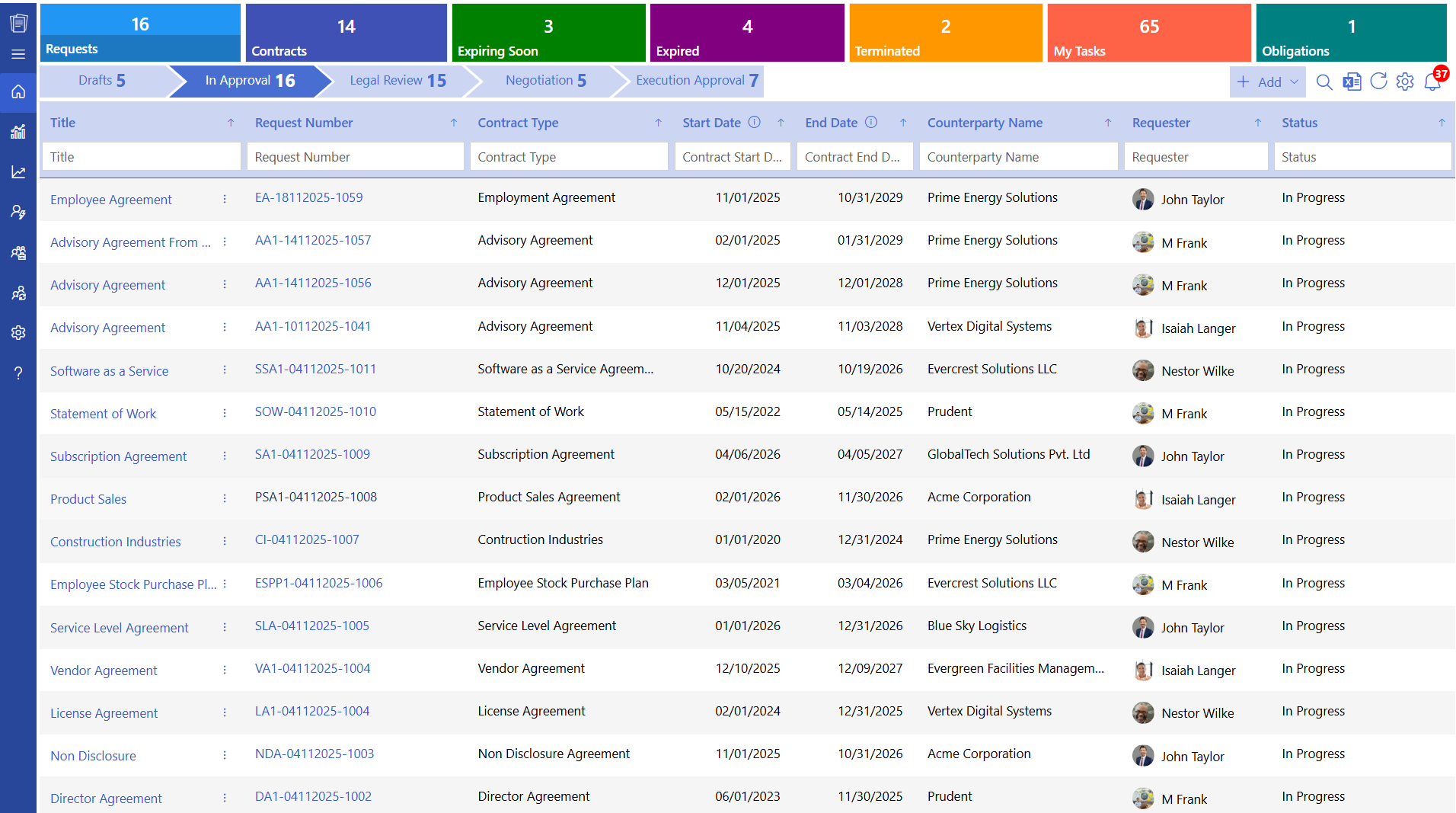
CLM 365 is a contract management software that supports vendor contract management by helping businesses manage vendor agreements in a more organized way. Built within the Microsoft ecosystem, it integrates with tools like Microsoft SharePoint, Microsoft Teams, Microsoft Outlook, Microsoft Copilot, Power BI, and Power Automate.
It helps automate approvals, track vendor obligations, and manage key contract dates, making vendor contract management easier and more structured. With a simple interface and strong security, teams can handle vendor contracts efficiently while keeping everything in one place.
With strong security standards and a simple interface, CLM 365 makes it easier for both growing businesses and large enterprises to manage vendor contracts effectively while keeping all important information in one place.
Conclusion
Strong vendor partnerships are not built by contracts alone, but by the way they are managed with the right system in place. Vendor contract management goes beyond documentation; it plays a key role in helping vendors not just meet expectations but deliver better results.
CLM 365 helps turn vendor contract management into a strategic advantage by supporting every stage from creation to renewal. Improve how you manage vendor agreements with CLM 365 start your 14-day free trial today.
Frequently Asked Questions
What compliance and legal factors should you consider in vendor contracts?
It is important to make sure vendors follow industry rules, protect data (like GDPR or HIPAA), and act ethically. Contracts should clearly define these rules, allow checks, and include actions if terms are not followed.
Can a vendor agreement be amended after it is signed?
Yes, a vendor agreement can be updated if both parties agree. Changes are made through an amendment process, which includes updating terms, discussing with the vendor, and getting approvals.
How can you measure the success of a vendor agreement?
Track key metrics like timely delivery, quality, and cost value. Regular reviews and comparing results with agreed terms help evaluate vendor performance.
What should you do if a vendor does not meet their responsibilities?
Review the contract to understand the terms, then discuss the issue with the vendor. Based on the situation, agree on a solution such as extending timelines or updating terms.
What happens if a vendor breaks the contract?
If a vendor fails to meet terms, it’s a breach. The other party can claim losses, and sometimes the vendor gets time to fix the issue before action is taken.

Trusted by the Best

_JiluXJRGNl.svg)