
_mVFFaHUZhS.webp)
HR onboarding software landscape is undergoing a transformative shift as we move through 2026. Organizations are no longer viewing onboarding as a simple administrative checkpoint but as a strategic opportunity to shape employee experience, drive retention, and establish cultural alignment from day one. With AI-powered automation, personalized employee journeys, and hybrid work considerations reshaping expectations, understanding these trends is critical for HR leaders seeking competitive advantage.
HR Onboarding software is quickly becoming smarter, more integrated, and more engaging to the employee. This guide identifies the most important trends, features, and the best platforms that can assist organizations in updating their onboarding and supporting new employees on their first day.
It is a guide that can be used to break down the most influential trends in HR onboarding software in 2026 and provide you with a clear understanding of how to modernize your employee onboarding process and make the journey of every new hire smoother.
Current State of HR Onboarding Technology
The Shift Toward Experience-Centric Platforms
Modern onboarding software has evolved beyond basic task management. Today’s leading platforms like BambooHR, Gusto, and Remote prioritize intuitive interfaces that employees actually enjoy using. The focus has shifted from HR convenience to employee experience, with clean design, mobile-first accessibility, and self-service capabilities becoming standard expectations rather than premium features.
Mobile-First and Remote-Ready Solutions
With distributed workforces becoming permanent fixtures, mobile compatibility is no longer optional. Platforms like Homebase excel specifically for mobile-first teams, offering scheduling, time tracking, and onboarding tools optimized for smartphone access . This mobile-centric approach ensures new hires can complete onboarding tasks regardless of location, supporting the hybrid and remote work models that define 2026’s workplace landscape.
Predictive Analytics for Proactive Intervention
Customization has emerged as a critical differentiator. Tools like Workable HR and Talent HR enable organizations to create unique onboarding paths for different departments, roles, and employee types. This personalization ensures that a remote software engineer receives a fundamentally different onboarding experience than an on-site warehouse manager, with content, timelines, and touchpoints tailored to their specific needs.
AI-Driven Transformation in Onboarding
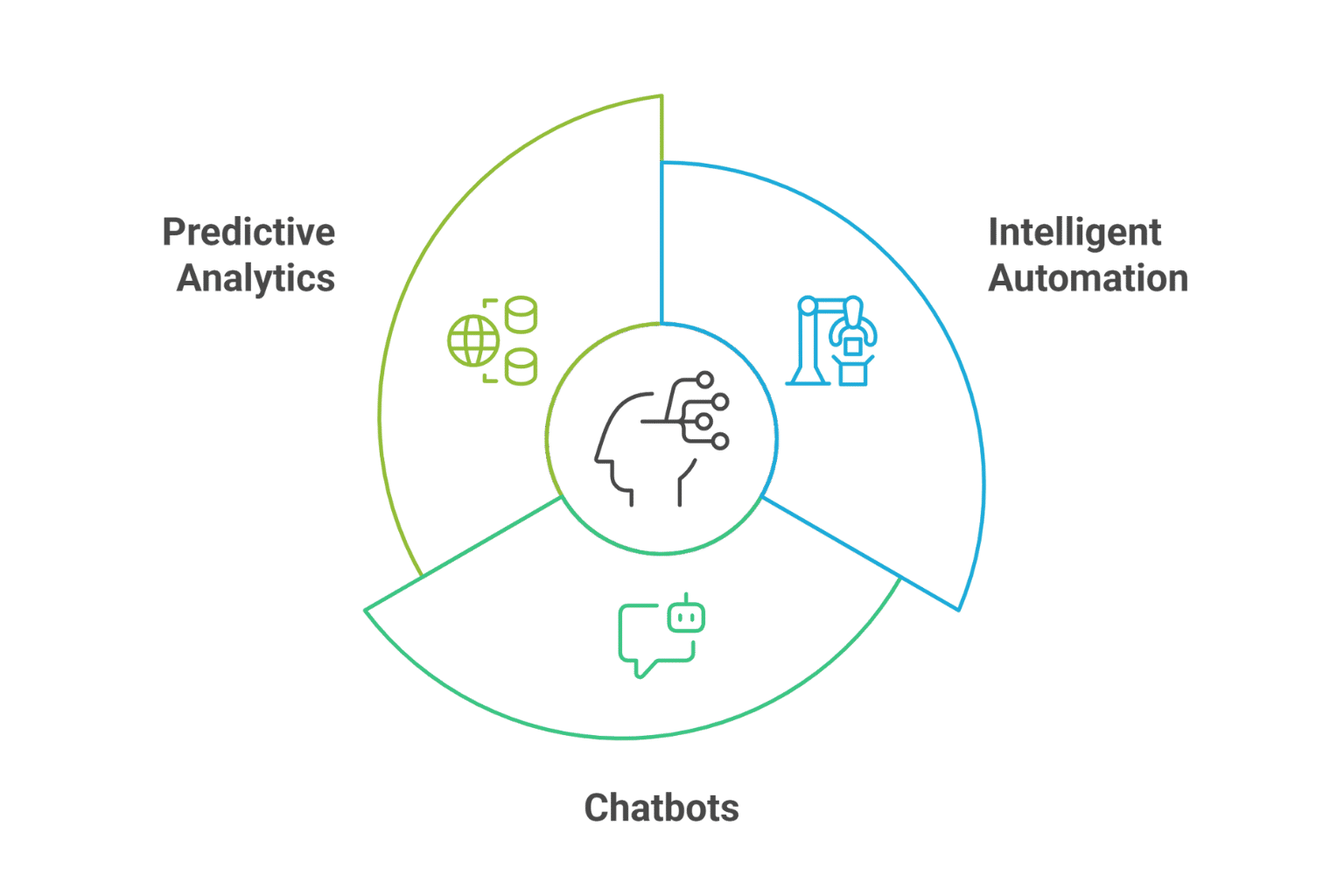
Intelligent Automation and Agentic AI
Artificial intelligence is revolutionizing onboarding workflows in 2026. Agentic AI systems can now fully automate compliant onboarding processes, automatically sending necessary forms, scheduling orientation sessions, and triggering IT equipment requests without human intervention . Analysts project that AI agents will handle 50% of current HR activities by 2030, with onboarding being one of the earliest and most impactful adoption areas .
Chatbots and Real-Time Support
AI-powered chatbots have become standard features in leading onboarding platforms. These virtual assistants provide instant answers to new hire questions, guide employees through complex processes, and reduce the burden on HR teams. Rather than waiting hours or days for responses, new employees receive immediate support, creating a smoother, less intimidating onboarding experience.
Predictive Analytics for Proactive Intervention
Advanced platforms now leverage predictive analytics to identify potential engagement issues before they escalate. By analyzing completion rates, interaction patterns, and feedback signals, AI systems can alert HR teams when a new hire shows early signs of disengagement, enabling proactive intervention that improves retention outcomes.
Employee Engagement and Retention Focus
Gamification and Interactive Experiences
Platforms like Employee Onboarding 365 have introduced gamification elements that transform onboarding from a passive checklist into an engaging journey. These interactive features increase completion rates, improve information retention, and create positive first impressions that influence long-term employee satisfaction.
Two-Way Communication and Feedback Loops
Modern onboarding software facilitates real-time, bidirectional communication between new hires and managers. This continuous feedback mechanism helps organizations understand individual motivations, address concerns early, and adapt onboarding experiences based on actual employee input rather than assumptions.
Personalized Career Development Pathways
Forward-thinking platforms now incorporate career development planning into the onboarding process itself. By assessing skills, interests, and aspirations during onboarding, organizations can create personalized growth pathways that demonstrate long-term investment in employees from day one, significantly improving retention.
2026 Predictions and Emerging Trends
Hybrid Onboarding the Norm
‘Remote’ vs. ‘in-person’ onboarding is vanishing as a distinction. The new normal: A half-decade from now, top platforms marry online and off—even if you’re across the globe, quality remains a matter of course. This hybrid model allows for flexible work styles while keeping cultural connection and team integration.
Mental Health and Well-Being Integration
Mental health support and well-being resources are being more integrated in onboarding trends in 2026 from the very first day of joining. Companies understand that when they address psychological safety, balance and coping with stress at onboarding it normally builds the base for long-term healthy employees who are resilient.
Transparency and Age Diversity Considerations
Today’s onboarding software solutions accommodate generational diversity of the workforce, from Gen Z digital natives to older workers transitioning back into the workforce. Platforms provide a variety of learning styles, the ability to customize pace, and open dialogue about expectations, pay and promotions that resonate from one generation to the next.
Compliance Automation and Risk Mitigation
In the wake of more compliance scrutiny, such as I-9 and immigration documentation issues, automation features has become a necessity. Other top systems such as EMP Trust HR have compliance directly built into the software, significantly decreasing liability and administration hassle.
Data-Driven Continuous Improvement
Analytics provide organizations with the ability to measure onboarding effectiveness by using metrics such as time to productivity, early turnover and engagement scores. This evidence-based strategy enables onboarding processes to be fine-tuned over time, rather than just relying on gut instinct.
How HR Onboarding Software Is Evolving
1. Remote & Hybrid Onboarding
Remote and hybrid hires are currently accommodated with flexible and cloud-based journeys using modern HR onboarding software. It makes new employees feel part of the team, informed and supported on day one, and provides a coherent and engaging onboarding experience regardless of where your team is based.
Cloud Platforms
Onboarding tools based on the cloud allow new employees to view documents, training, and tasks anywhere and ensure that all information is updated in real-time and eliminates confusion. The platform can easily expand with your organization as it expands.
Virtual Checklists
Onboarding checklists are automated and take the employees through the necessary steps without leaving out anything. HR can see the progress in its entirety, whereas new employees are provided with a well-organized and stress-free onboarding process.
Team Building Online
The virtual activities allow new employees to connect with each other within a short time by using basic activities such as video intros or online games. This cultivates initial trust, culture, and enhancement of meaningful relationships among distributed teams.
Regular Check-ins
The planned meetings between managers and new employees ensure that communication remains clear, identify the possible roadblocks in time and provide prompt support. These check-ins are also confidence building and make employees feel appreciated at the beginning.
Digital Resources
Policies, handbooks and training modules remain available in a single digital location so that new employees can access information at any time without having to go through HR. This will minimize friction, accelerate the learning process, and enhance a seamless onboarding process.
2. Data-Driven Onboarding
Onboarding software now deploys analytics to enhance the employee experience by showing what is working, what is slowing down new hires, and where it needs to be improved. This makes onboarding a measurable, scalable and strategic process.
Track KPIs
The completion of tasks, engagement, and satisfaction metrics reveal the bottlenecks and inform the HR on how to improve the onboarding process. These lessons can be used to customize the onboarding paths to achieve improved new-hire results.
Live Dashboards
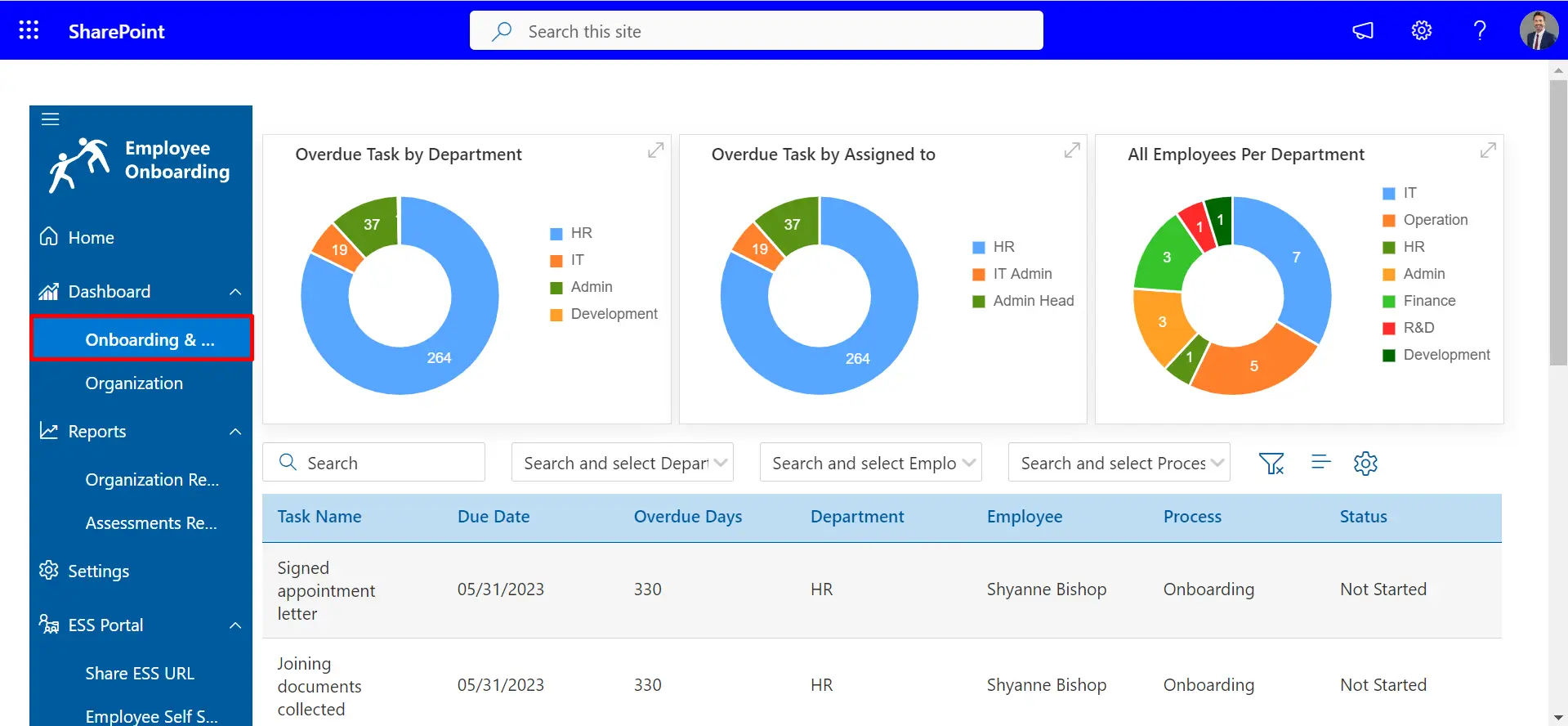
New-hires can be tracked in real-time in their tasks and training, and HR can identify any delay early and respond promptly. This simplifies the process of onboarding and makes it quicker and more open.
Predictive Insights
Predictive analytics reveal patterns related to performance, retention, and productivity, which enables the HR to foresee challenges. This will allow a more individualized and effective onboarding experience to each new employee.
Feedback Tools
Surveys are automated to get feedback on milestones that give insights into the areas of friction and training gaps. The HR can then enhance the onboarding process using actual employee feedback.
Benchmarking
Comparing your onboarding data with industry benchmarks will give you an idea of your position and where you need to work. This makes your onboarding process current, competitive and best practice.
Why It Matters:
Decisions made using data assist the HR onboarding software teams to streamline their operations and make sure that they onboarding programs are always aligned with the organizational objectives. Through constant performance examination and feedback, organizations can make their Hr onboarding process more precise and efficient, enabling a more successful and enjoyable experience of new employees, enhancing retention, and increasing long-term success.
3. Enhanced Engagement Tools
In 2026, employee engagement is the key trend, and gamification, instant feedback, and personalized content are presented by HR onboarding software to retain the motivation of new employees. The interactive tools make the onboarding process more enjoyable and richer, which increases retention and early satisfaction. Humanizing and making onboarding more immersive will make new employees feel appreciated, connected and engaged on the first day, even in a remote setting.
Gamification
Onboarding becomes an exciting and motivating experience that adds points, badges, and interactive challenges to the process, promoting progress. Gamification ensures that new employees are entertained with milestones and rewards. It makes them active and self-assured during their initial days.
Interactive Learning
Training can be made more dynamic and easier to remember using quizzes, assessments and hands-on learning modules. This maintains the interest of the employees, particularly in the virtual onboarding. It makes ordinary training an exciting process.
Instant Recognition
Instant feedback on appreciation by the managers or other employees makes new employees feel welcomed and appreciated by the managers. Immediate feedback creates confidence and supports positive actions. It enhances emotional attachment in the most critical weeks.
Social Interaction
Virtual gatherings, chat rooms, and team building areas enable new employees to bond with other employees within a short time. Such interactions create a sense of belonging and learning together. They decrease loneliness and enhance culture within distributed teams.
Personalized Pathways
The journey is relevant and considerate with customized onboarding paths according to role and learning style. Individualization enhances inspiration and understanding among new employees. It demonstrates to the employees that their development is important at the beginning.
4. HR System Integrations
By 2026, onboarding software will be part of a smooth HR system that will also consist of benefits, performance, and time management software. This combined solution brings about a single employee experience, and it minimizes the manual work on the HR teams. Having seamless flow of data through systems, new employees will easily pass through the employee lifecycle without any interruption or redundancy.
Single Platform
An Integrated Hr suite consolidates all the onboarding and performance information in a single place that is easily tracked. It gets rid of the need to switch between tools and enhances the management of workflows. One source of truth brings clarity to HR.
Auto Data Sync
The onboarding information is synchronized with the other HR systems, eliminating the need to enter it manually and avoiding mistakes. This ensures that information on employees is correct throughout the organization. It is time saving and enhances process reliability.
Unified Dashboards
Integrated dashboards give a comprehensive picture of new-hires performance in terms of departments and tasks. HR can monitor training, performance and actions to be taken in a short time. It assists in establishing areas of support.
System Communication
There are real-time updates between onboarding, performance, and time tracking that are connected. All the significant information can be viewed by the managers at a single place. This enhances decision making throughout the employee lifecycle.
Custom Reports
Reports that draw information across several systems provide more information on onboarding effectiveness, performance trends, and engagement metrics. HR can detect gaps and opportunities at a quicker pace. It facilitates more intelligent planning and better employee experiences.
5. Continuous Onboarding
The continual onboarding process changes the orientation approach to a continuous growth process that encompasses employees long after the initial 90 days. It involves frequent training, feedback, mentoring, and development to enable employees to adjust, become better and remain involved. The long-term strategy enhances satisfaction, loyalty, and retention because employees feel that they are supported at all the levels.
Extended Onboarding
Continue the first year of onboarding with leadership training, continuous learning modules, and development paths. Onboarding automation allows the HR to optimize these touchpoints and maintain consistency in support. This will aid the employees in knowing clearly their growth potential and their future position in the company.
Frequent Check-ins
Frequent meetings between employees and managers promote continuity in clarity, alignment, and performance. Such meetings assist new employees to communicate on issues, get reviews and make new targets. It creates confidence and maintains development.
Ongoing Development
Provide unending training, upskilling, and professional growth programs on the basis of long-term corporate objectives. Employees remain active developing the appropriate skills and adjusting to new tools or technologies. This continued expansion promotes greater unity and performance.
Mentorship Programs
Long-term mentoring links the employees to mentors who are accomplished and who guide them in learning, confidence and career development. Mentors assist employees in overcoming the challenges that are not immediately onboarding. It enhances connections and increases long-term interaction.
Learning Platforms
Provide employees with continuous access to online learning platforms, certifications and webinars to develop at their own pace. This strategy promotes lifelong learning and professional growth. Employees are encouraged to learn and develop at their pace.
6. DEI-Focused Onboarding
Onboarding in 2026 is more focused on diversity, equity, and inclusion to make each new employee feel welcomed and respected. HR onboarding software is important to strengthen the values of DEI by training, communicating, and personalized experiences. When DEI is incorporated at the very beginning, the employees feel that they are part of the company, that they are supported, and that the company cares about them.
Inclusive Training
DEI modules on unconscious bias, cultural awareness, and inclusive communication are used to train new employees at an early stage. These resources establish the atmosphere of a decent and fair working place. It develops a common ground of diversity in the organization.
Employee Resource Groups
Establish online forums and ERGs in which employees with varying backgrounds can interact and exchange experiences. Through these groups, belonging, support networks, and significant cultural exchange are encouraged. They also make the new employees feel represented and appreciated.
Tailored Onboarding
Individualize onboarding resources to address various learning styles, language, and accessibility. Adaptable modules translated materials and available tools allow all employees to feel part of it. This makes sure that no one is left behind in the process of onboarding.
Celebrate Diversity
Beautify cultural differences with stories, awareness and inclusive training resources. Enhancing diversity will make new employees feel noticed and valued. It also enhances inter-team cultural knowledge.
Mentoring Underrepresented Groups
Assign underrepresented group employees to mentors who provide support and advocacy. This instills confidence and offers them a reliable support system in their initial months. It also supports long term development and representation.
7. Mobile-First Onboarding
Mobile-first onboarding enables new employees to get work done, training, and get in touch with their colleagues any time on their mobile phones or tablets. This strategy promotes the increased popularity of mobile use and provides flexible and on-the-go interaction. It keeps the employees up to date during their onboarding process without being chained to a desk.
Mobile-Ready Platforms
Mobile-first onboarding enables new employees to get work done, training, and get in touch with their colleagues any time on their mobile phones or tablets. This strategy promotes the increased popularity of mobile use and provides flexible and on-the-go interaction. It keeps the employees up to date during their onboarding process without being chained to a desk.
Push Notifications
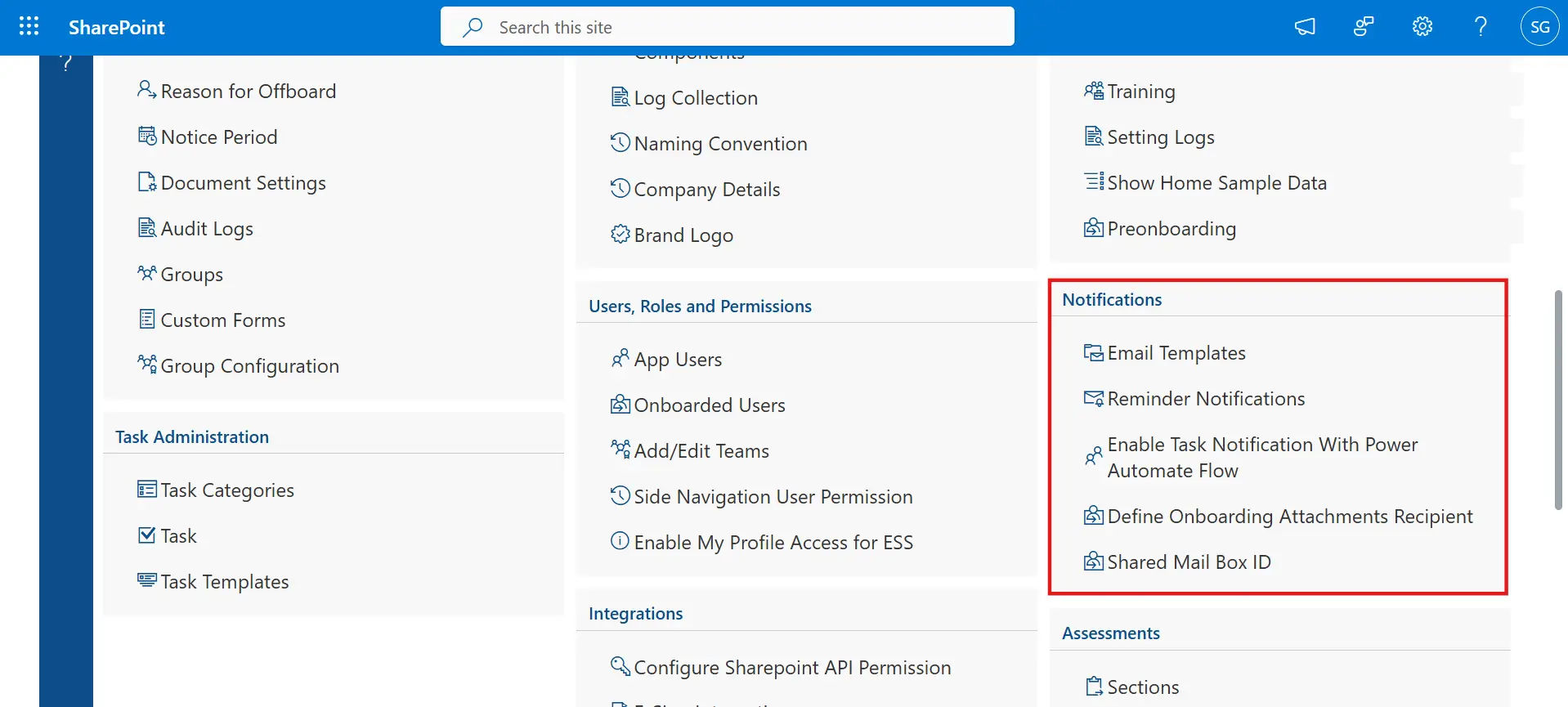
New employees will receive mobile notifications that will remind them of the deadlines, meetings, and significant tasks. Such timely notifications will keep them in order and occupied during the process of onboarding. It minimizes the steps that are missed and increases the completion rates.
Mobile Resource Access
Online training videos, handbooks and company documents go easy on the mobile devices. New employees will be able to read information at their own time. This is particularly convenient with distant teams and staff members who have hectic schedules.
Interactive Mobile Tools
The interactive and personalized experience of the mobile onboarding process is achieved through quizzes, polls, and feedback options. Such features retain new employees and provide the HR with real-time information. It makes the process of onboarding more dynamic.
Offline Access
Offline features enable employees to access important onboarding resources even when they are offline. This guarantees continuous development in low-connectivity regions. It simplifies onboarding and enables it to be done anywhere.
HR Onboarding Software Comparison Table
| Software | Best For | Key Strength | Mobile App | AI Features |
| Employee Onboarding 365 | Microsoft 365 organizations | Deep MS365+SharePoint integration & Power BI | ✓ | Yes (PowerApps AI) |
| Beyond Intranet | Microsoft-based workplaces | SharePoint templates & workflows | ✓ | No |
| BambooHR | Small & mid-sized companies | User-friendly UI, easy onboarding | ✓ | Limited |
| Eddy | Small teams with simple onboarding needs | Simple checklist-based onboarding | ✓ | No |
| Talent HR | Companies needing tailored onboarding | Highly adaptable workflows | ✓ | Limited |
| Workday | Multinational enterprises | Global compliance & process clarity | ✓ | Yes |
| Rippling | Tech-forward, high-growth teams | HR + IT provisioning automation | ✓ | Limited |
| ClearCompany | Engagement-focused organizations | Team connection & early engagement | ✓ | No |
| Hibob (Bob) | Culture-driven companies | Culture & experience orientation | ✓ | No |
| Gusto | Small businesses & startups | Payroll & onboarding integration | ✓ | No |
10 Best Onboarding Platforms in 2026
This is an elegant and readable overview of the AI HR onboarding software in 2026. All the tools have their advantages, and they assist HR teams to simplify their workflows, enhance the engagement of new hires, and provide a more comfortable onboarding experience at the very beginning.
1. Employee Onboarding 365
Intended to be deeply integrated into Teams, SharePoint, and Outlook and designed to be used by Microsoft 365 organizations.
Features
- Automates onboarding process, checklists, reminders and multi-tier approvals.
- Role-based journeys, policy management, and document hub that is centralized.
- Live Teams alerts, chat feeds, analytic dashboards, and trackers.
Pros
- In full compliance with the Microsoft ecosystem, enhancing security and cooperation.
- Quick implementation because employees are already using Teams, SharePoint, and Outlook on a daily basis.
- Advanced Power BI reporting tools with Microsoft PowerApps.
Cons
- Ideal to organizations that are actively involved in working with Microsoft 365.
2. Beyond Intranet
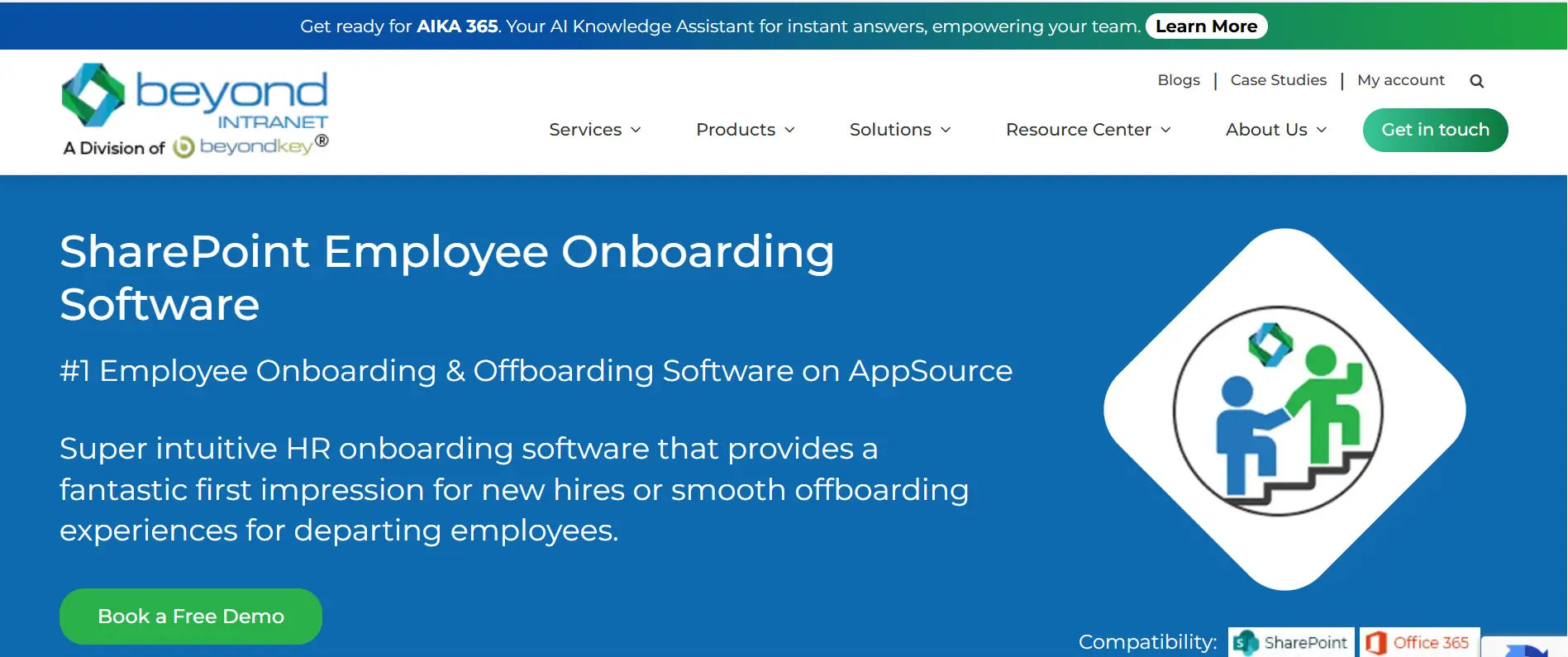
A stable solution to firms seeking SharePoint-based onboarding experiences.
Features
- Ready-made SharePoint onboard templates.
- To delegate tasks and inform stakeholders, workflow automation.
- Role, department and location-specific customizable steps.
Pros
- Familiar team interface with teams that are already at ease with SharePoint.
- Simple to set up and match internal procedures.
Cons
- Best in Microsoft-based workplaces.
3. BambooHR
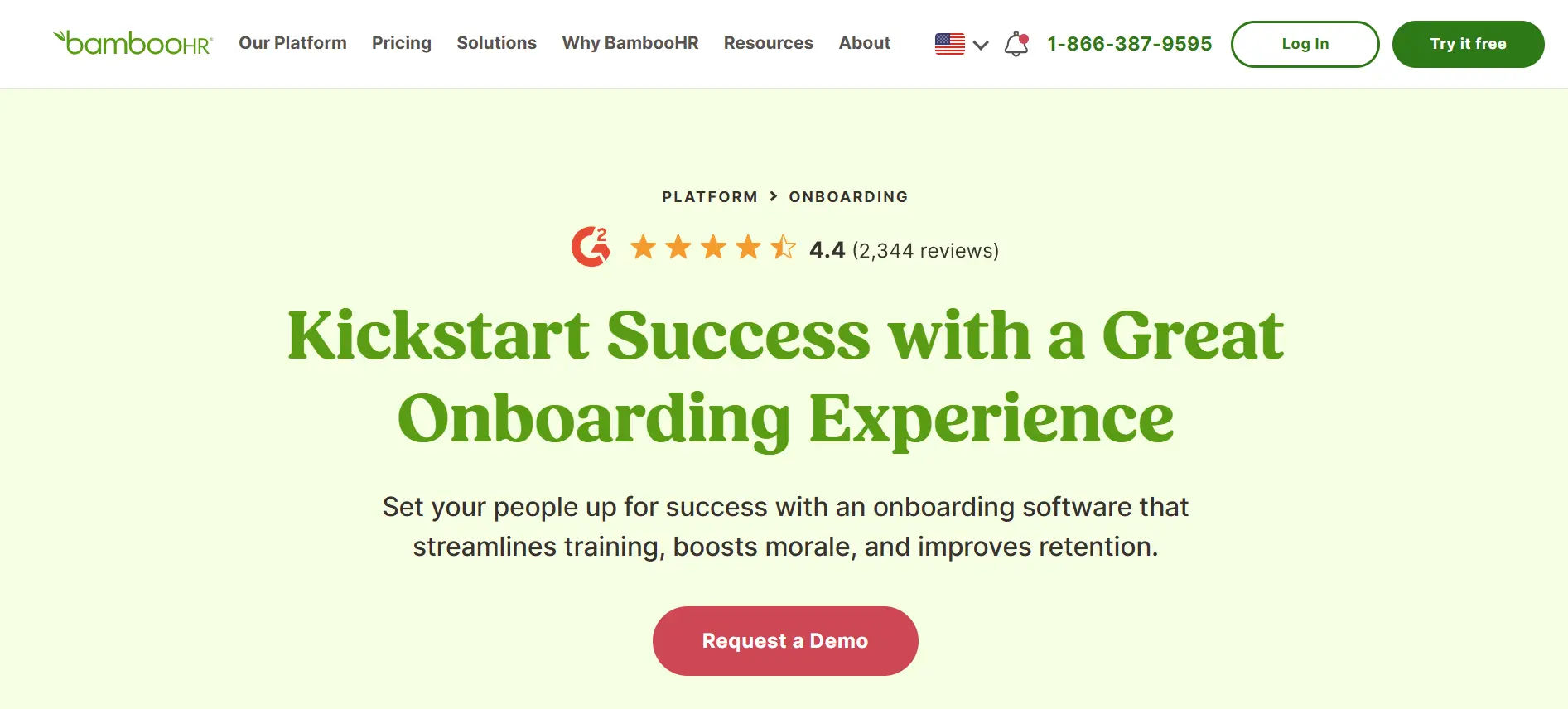
A platform that is trusted by many small and mid-sized companies that require easy and amicable onboarding solutions.
Features
- Ready-to-use onboarding packets, signature workflows and welcome messages.
- Personal information, forms, and updates of employees.
- Task progress and automated reminders are easily viewed.
Pros
- Simple, clean, user-friendly UI, easy to learn by new employees and HR.
- Smooth onboarding process and fast set up.
Cons
- Minimal sophisticated customization of sophisticated business processes.
4. Eddy
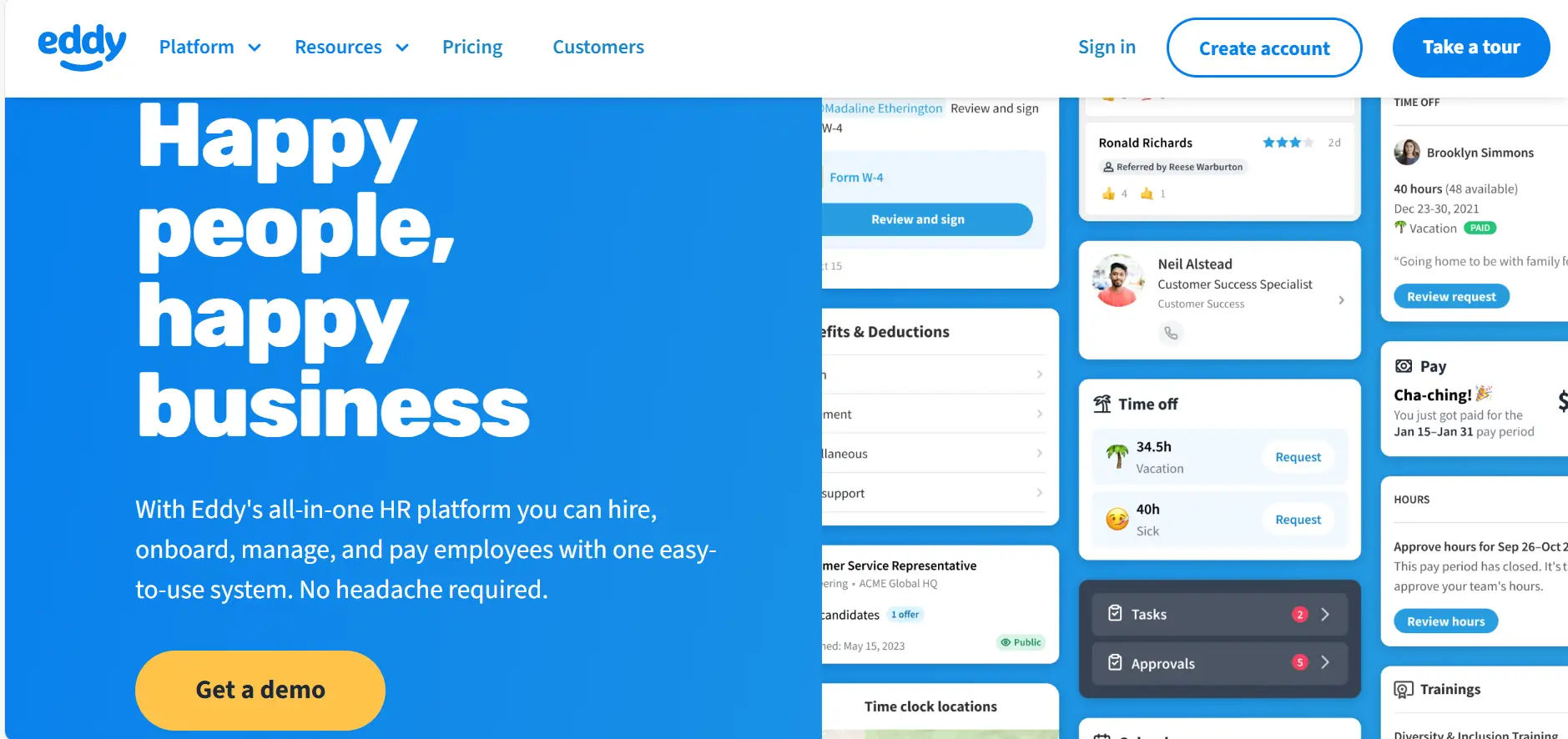
Best suited to small teams that prefer a simple, checklist-based onboarding.
Features
- Guided reminders and role-based onboarding task lists.
- Safe document storage and inbuilt file storage.
- Basic dashboard to track progress by the HR.
Pros
- Very simple to use and comprehend.
- Keeps continues to onboard in a manner that requires minimum administrative effort.
Cons
- Not high-complexity onboarding requirements, designed primarily in smaller teams.
5. Talent HR
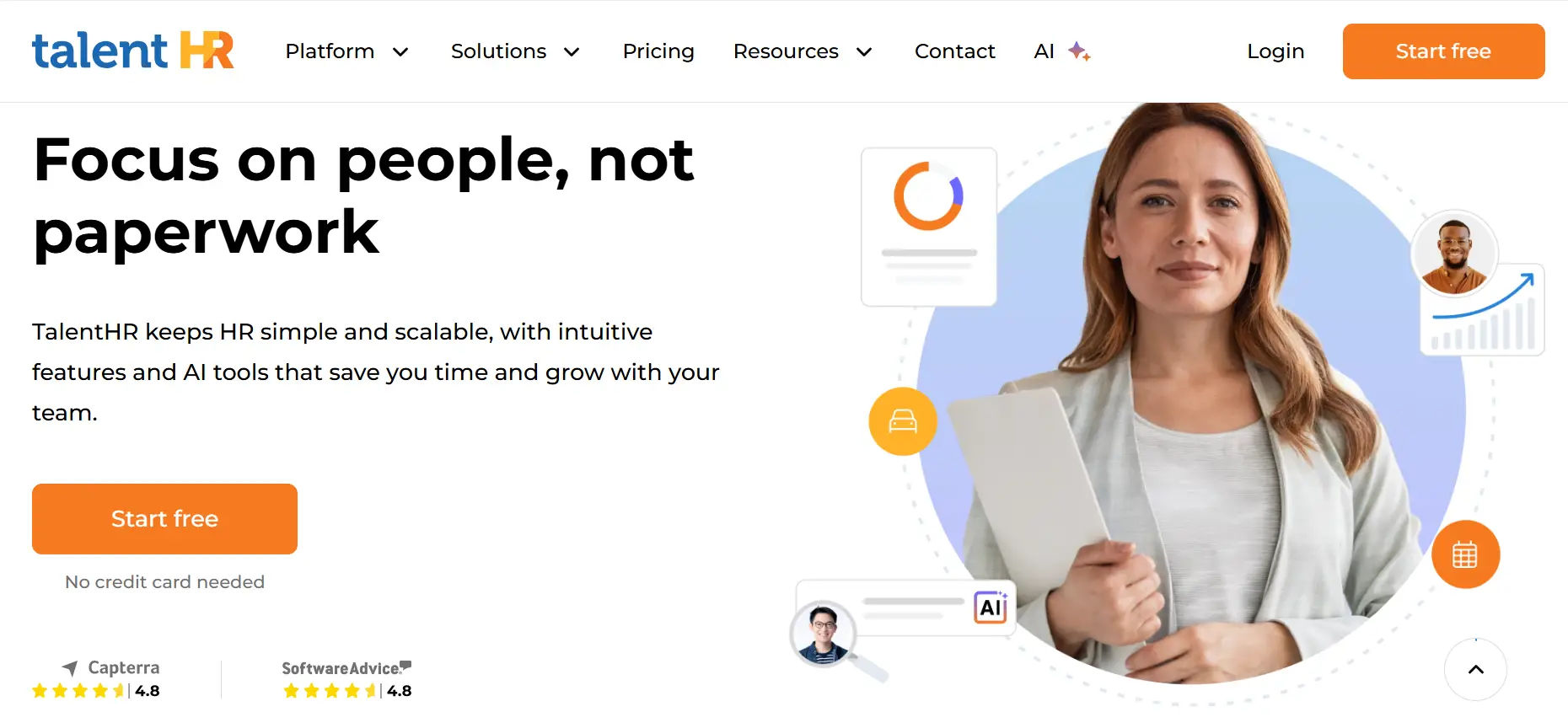
An adaptable one to companies that like tailored onboarding journeys.
Features
- Onboarding processes can be configured according to the designation or department.
- Administrative tions to allocate duties and monitor progress.
- Individualized onboarding with customized content.
Pros
- Good adaptability and flexibility of workflow.
- Best in teams that desire to have control over structure and content.
Cons
- It takes time to customize first.
6. Workday
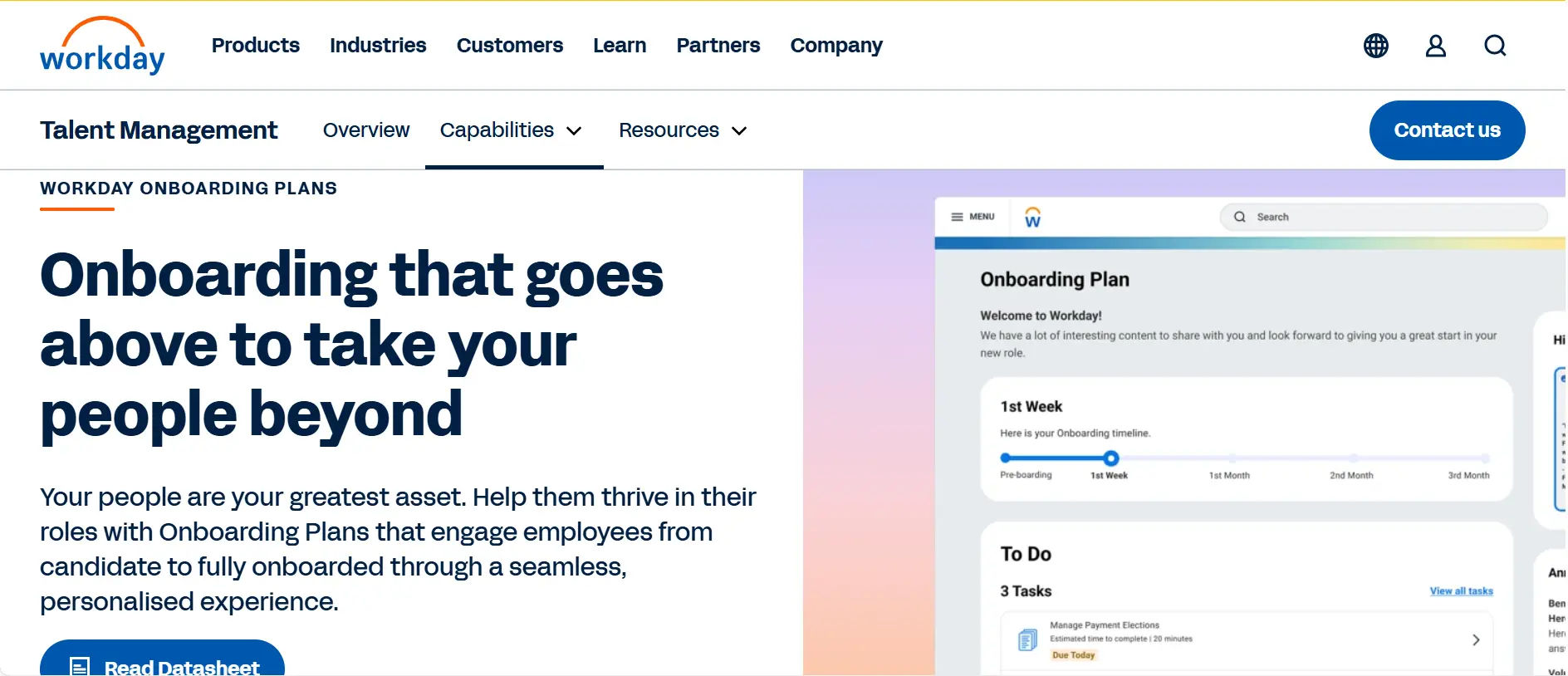
An enterprise-level platform that is structured and global onboarding.
Features
- Combines onboarding with performance, benefits and HR functions.
- Global workflow compliance.
- Dashboards to monitor high volumes of onboarding.
Pros
- Best suited to multinational companies with complicated Hr requirements.
- Existence of high compliance and process clarity.
Cons
- More complicated and resource-intensive to smaller companies.
7. Rippling
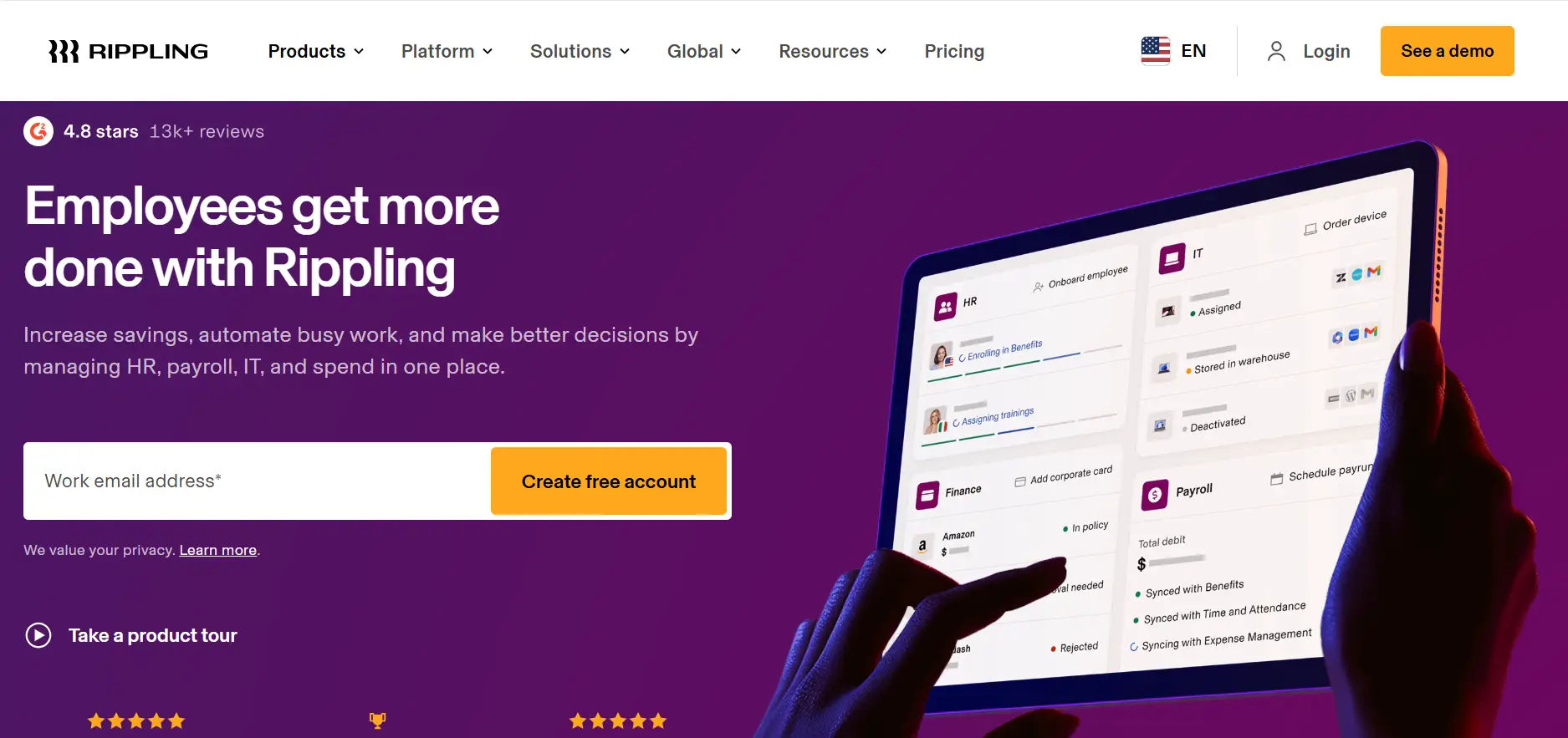
Perfect in teams that desire to integrate onboarding and IT configuration and provisioning of devices.
Features
- Provisions laptops, apps and account access automatically.
- Integrates HR, payroll and identity management.
- Provides full equipment of employees on the initial day.
Pros
- Eliminates IT workload, manual provisioning.
- Well-developed automation of HR + IT processes.
Cons
- Best in tech forward or high growth teams.
8. ClearCompany
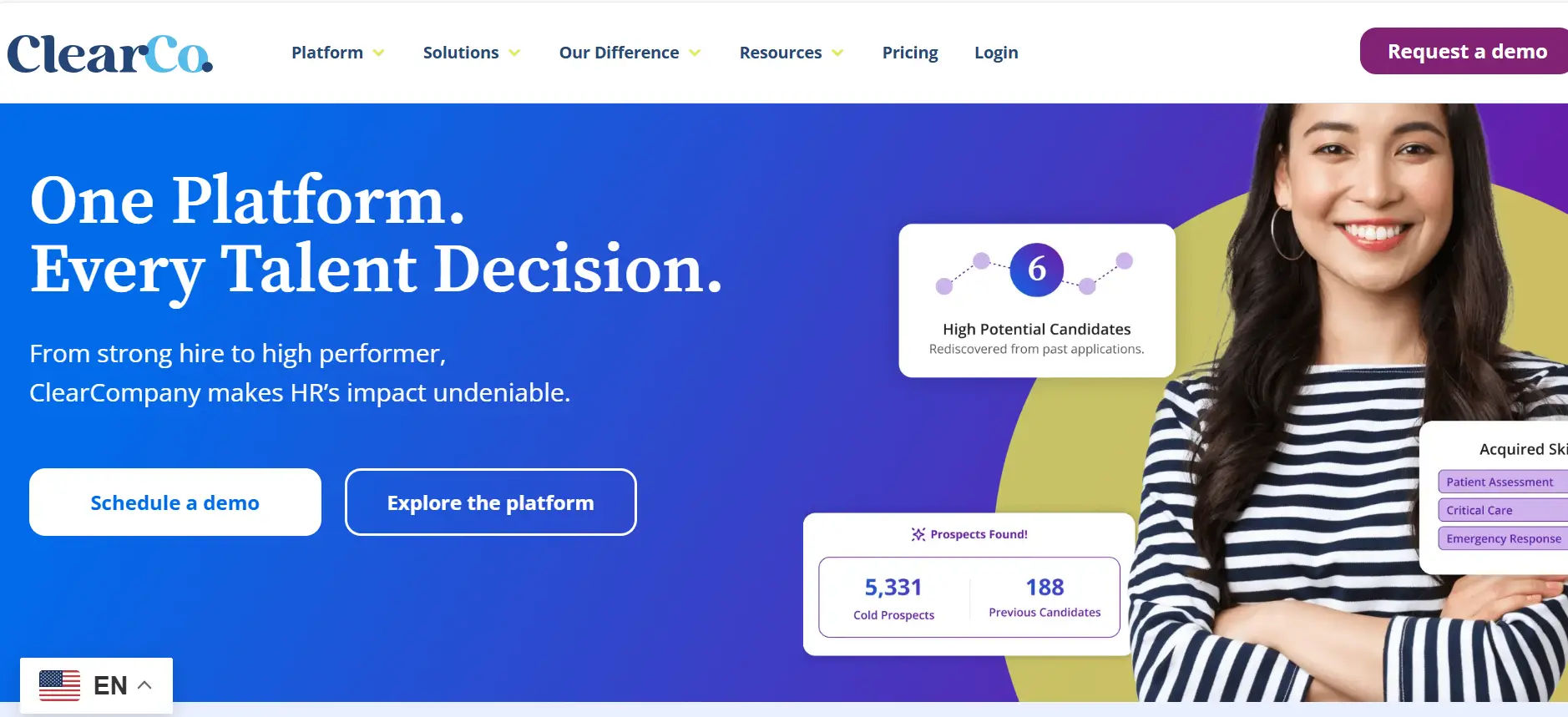
Excellent in organizations that are concerned with engagement and connection in the onboarding process.
Features
- Introductions, onboarding activities, and introduction of the team.
- Monitoring of milestones to make sure there is even flow.
- Early engagement lessons to HR.
Pros
- Great in establishing connections and cohesiveness.
- Provides good visibility of new-hire engagement rates.
Cons
- The interaction-oriented capabilities can be lightweight to the process-intensive teams.
9. Hibob (Bob)
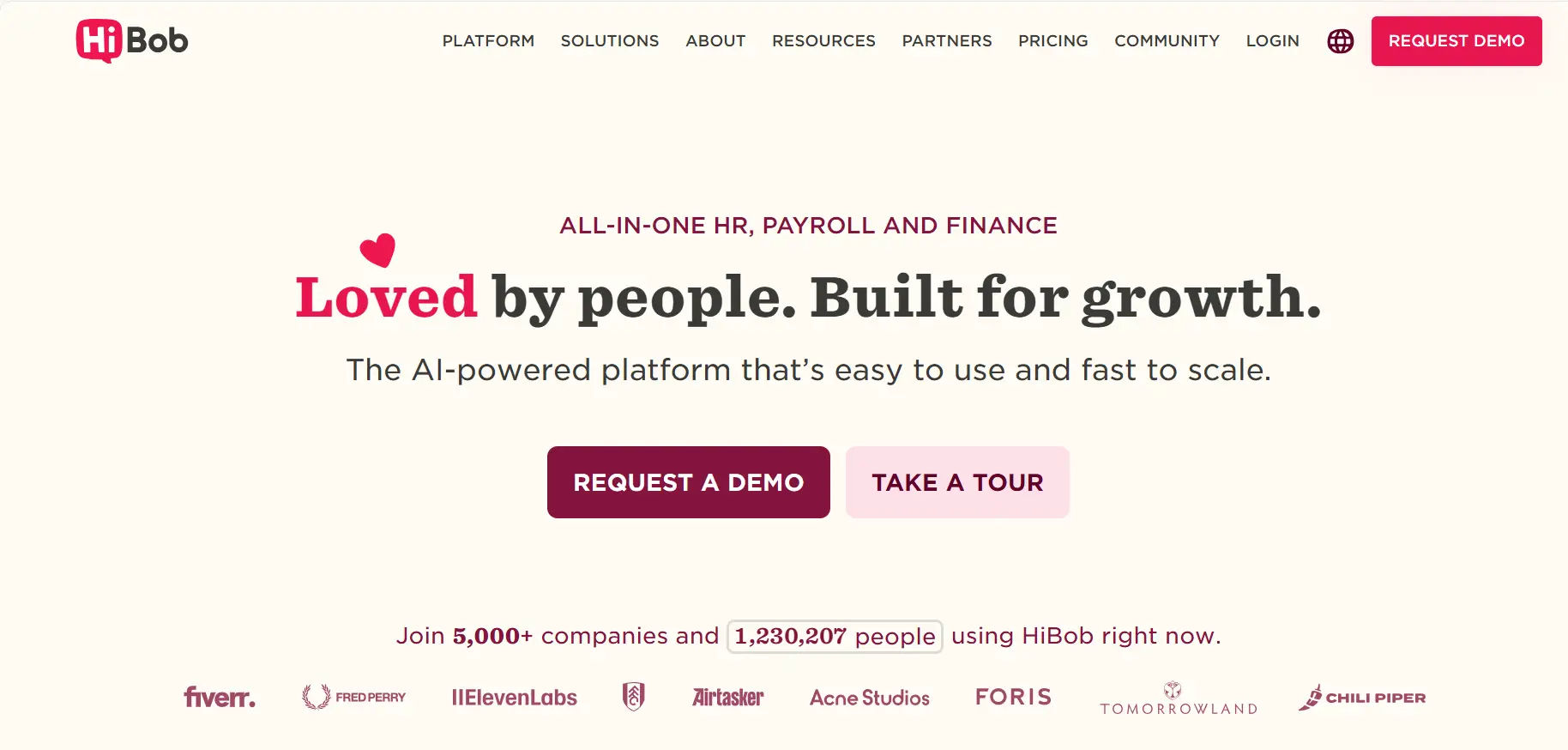
An innovative, culture-oriented people-first onboarding platform.
Features
- Graphical interactive onboarding processes.
- Stories about culture, value-sharing courses and welcome tours.
- Simple coordination of connecting new hires to teams.
Pros
- High focus on culture, people and experience.
- Helps makes new employees feel part of it.
Cons
- More process automation is oriented toward culture-building than process automation.
10. Gusto
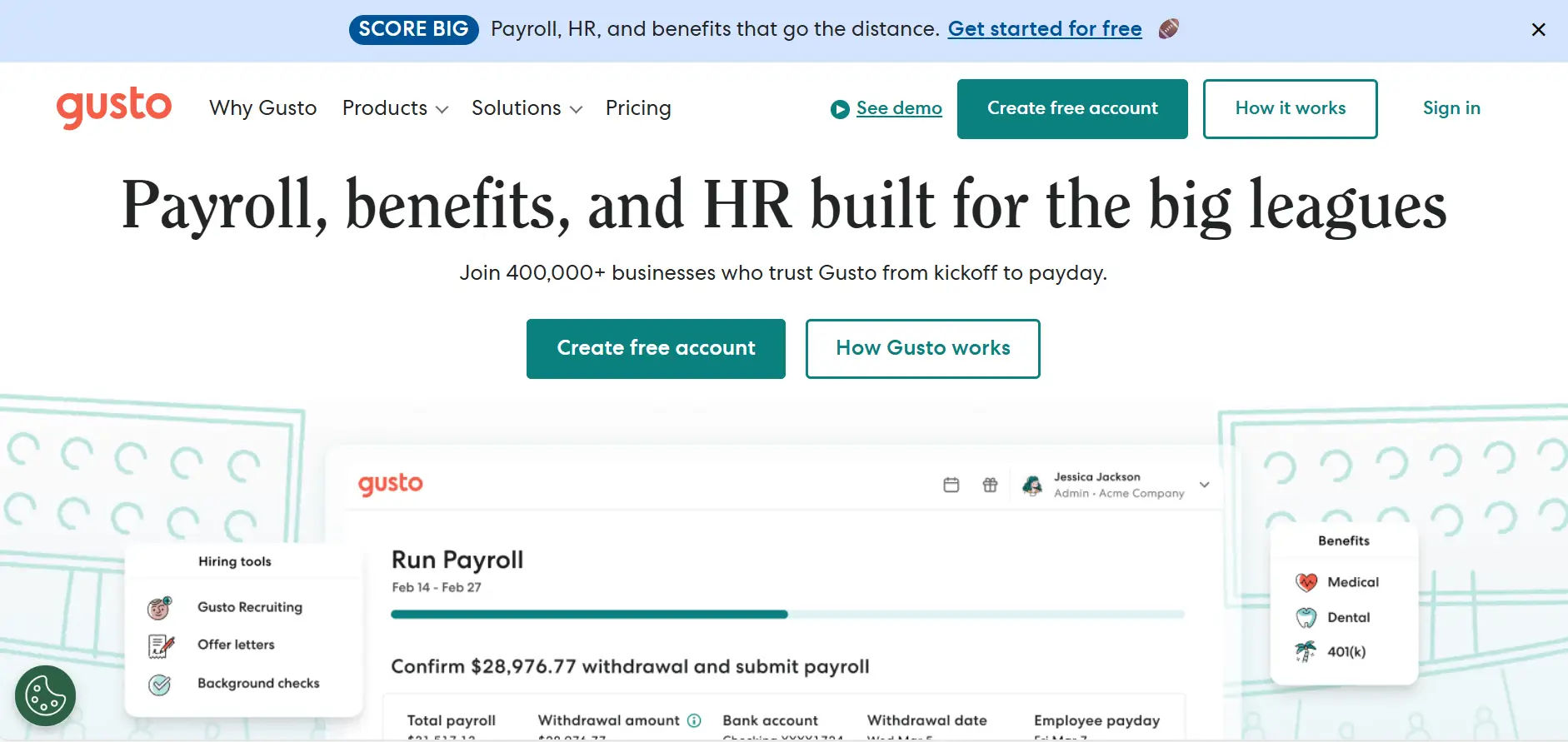
An easy, payroll friendly solution that is ideal in small business.
Features
- Onboarding in self-service and employee documents, as well as digital tax forms.
- Automatic data integration with payroll.
- Step-by-step instructions to fast new-hire set up.
Pros
- Easy onboarding + payroll integration.
- Extremely simple among startups and small teams.
Cons
- Less full-scale onboarding and more payroll oriented.
Implementation Challenges and Strategic Solutions
Overcoming Change Resistance
Employee resistance to new technology remains a significant barrier. Organizations successfully implementing new onboarding software engage employees in the selection process, creating buy-in and reducing friction. Transparent communication about benefits and involving end-users in pilot programs helps overcome reluctance to abandon familiar methods.
Data Integration Complexities
Many organizations struggle with integrating new onboarding platforms with existing HRIS, payroll, and IT systems. Solutions like Employee Onboarding 365 address this by offering seamless integration with Microsoft 365, combining onboarding workflows, document management, and collaboration tools within the familiar Microsoft ecosystem.
For organizations already using Microsoft 365, this native integration eliminates data silos and ensures smoother transitions by leveraging existing infrastructure like SharePoint, Teams, and Azure Active Directory for unified employee lifecycle management.
Training and Adoption Strategies
Software potential goes unrealized without adequate training. Successful implementations include role-specific training programs, ongoing support resources, and designated internal champions who can assist colleagues. Platforms with intuitive interfaces like BambooHR reduce training requirements, but organizations should still budget time and resources for proper onboarding of the onboarding system itself.
Conclusion
In 2026, HR onboarding software will focus on smarter automation, intentional engagement, and smooth integrations that will help employees on their first day. The trends do not only modernize your process, but they also enhance culture, increase retention, and speed up productivity.
In a more digitalized and connected future of work, the appropriate onboarding software can change the way new employees feel about their initial action with your organization. Wish to find out how these trends can be applied in practice? Book a Demo and see it with your own eyes.
Join Our Creative Community
Frequently Asked Questions
What are the key features of your employee onboarding software?
Our employee onboarding software automates onboarding tasks, checklists, approvals, document management, and training assignments. It streamlines the hiring process by reducing manual work and ensuring a consistent onboarding experience for every new hire.
How does your integration with Microsoft 365 enhance the onboarding experience?
The software integrates seamlessly with Microsoft 365 tools like SharePoint, Teams, Outlook, and Azure Active Directory. This improves collaboration, enables real-time updates, automates notifications, and keeps all onboarding activities within a familiar and secure Microsoft environment.
Can you explain how your software supports both new hires and offboarding employees?
Yes, the platform supports end-to-end employee lifecycle management. It simplifies onboarding with automated workflows and also manages offboarding through exit checklists, asset recovery, access removal, and approval tracking—ensuring smooth and compliant employee transitions.
What kind of documentation can we manage using your software, and is it customizable?
You can create, manage, and store documents such as offer letters, employment contracts, policy acknowledgments, compliance forms, training materials, and exit documents. All documentation is customizable based on roles, departments, and business requirements.
How user-friendly is the platform for both HR teams and new employees?
The platform is highly user-friendly, offering intuitive dashboards for HR teams and guided onboarding journeys for employees. Built on Microsoft 365, it requires minimal training and ensures quick adoption across the organization.


_JiluXJRGNl.svg)