Best HR Appraisal Software in 2026 (Top Tools & Comparison)

HR appraisal software has become a critical part of modern performance management, especially as organizations move beyond traditional, one-time reviews toward continuous and data-driven evaluation processes.
HR appraisal software is transforming how organizations track and evaluate employee performance. By automating performance reviews, goal setting, and feedback, it helps businesses align individual goals with broader company objectives. This data-driven approach boosts employee engagement, enhances development, and supports informed decision-making.
With features like customizable templates, 360-degree reviews, and real-time insights, HR appraisal software streamlines performance management. It saves time, provides valuable data, and drives succession planning, compensation decisions, and employee development. Investing in HR appraisal software optimizes your performance management process.
In today’s dynamic work environment, relying only on manager-led feedback or annual appraisals is no longer enough. Businesses need better visibility into employee performance, clearer goal alignment, and a more consistent way to evaluate contributions across teams.
Modern HR appraisal software addresses these challenges by enabling continuous feedback, structured performance tracking, and real-time insights. It helps organizations create a more transparent and objective evaluation process while supporting employee growth and long-term business outcomes.
At the same time, the market is filled with multiple tools offering similar capabilities, making it difficult to identify which solution truly delivers value.
This guide breaks it down for you:
- What HR appraisal software is and how it works
- Key features that actually matter
- The best HR appraisal software tools in 2026
- A clear comparison to evaluate your options
- How to select the right platform for your business
What is HR Appraisal Software?
HR appraisal software is a digital solution designed to help organizations manage and improve employee performance through structured evaluations, continuous feedback, and data-driven insights. It replaces manual and inconsistent review processes with a centralized system that ensures accuracy, transparency, and scalability.
Unlike traditional appraisal methods that rely on periodic, manager-driven reviews, modern HR appraisal software enables organizations to take a more dynamic and continuous approach to performance management. This shift allows businesses to evaluate employees based on real-time contributions rather than limited, one-time assessments.
With the right platform, organizations can:
- Track employee performance continuously across roles and teams
- Collect feedback from multiple sources, including peers and managers
- Align individual goals with overall business objectives
- Improve transparency and consistency in evaluation processes
Why Businesses Need HR Appraisal Software
As organizations grow, managing employee performance through manual processes or traditional review methods becomes increasingly inefficient. Annual appraisals and manager-only feedback often fail to capture the full picture of an employee’s contributions, leading to gaps in evaluation and missed opportunities for improvement.
Modern businesses require a more structured and continuous approach to performance management one that reflects real-time work, supports collaboration, and adapts to changing team dynamics.
With the right system in place, businesses can:
- Gain real-time visibility into employee performance and progress
- Enable continuous feedback instead of delayed, annual reviews
- Improve fairness and reduce bias through multi-source input
- Align individual performance with organizational goals
- Support remote and hybrid teams with centralized access
More importantly, HR appraisal software helps shift performance management from a reactive process to a proactive strategy. Instead of identifying issues after they occur, organizations can continuously monitor progress, provide timely feedback, and support employee development in a more meaningful way.
Key Features to Look for in HR Appraisal Software
Choosing the right HR appraisal software goes beyond basic functionality. The real value lies in how effectively the platform supports continuous performance management, simplifies workflows, and provides actionable insights that drive employee growth.
Modern organizations need solutions that are not only feature-rich but also intuitive, scalable, and seamlessly integrated into daily operations.
Here are the key features to evaluate:
1. Continuous Performance Tracking
Modern appraisal systems should support ongoing performance tracking instead of relying on annual or periodic reviews. This allows managers to monitor progress in real time, provide timely feedback, and ensure employees stay aligned with their goals.
2. Multi-Source Feedback (360-Degree Reviews)
A strong HR appraisal platform enables feedback collection from multiple sources, including managers, peers, and team members. This reduces bias and provides a more accurate and balanced view of employee performance.
3. Goal Setting & Alignment (OKRs/KPIs)
The ability to set, track, and align individual goals with business objectives is essential. This ensures employees clearly understand their contributions and how their performance impacts overall organizational success.
4. Automated Review Cycles
Manual appraisal processes can be time-consuming and inconsistent. Automation helps streamline review cycles by scheduling evaluations, sending reminders, and collecting feedback efficiently, ensuring consistency across the organization.
5. Real-Time Analytics & Performance Insights
Data-driven decision-making is critical for modern HR teams. Advanced reporting dashboards provide insights into performance trends, strengths, and improvement areas, helping leaders make informed decisions quickly.
6. Seamless Integration with Business Tools
Integration plays a crucial role in adoption. HR appraisal software should connect smoothly with tools like Microsoft Teams, SharePoint, and Outlook, allowing performance management activities to happen within existing workflows.
7. Employee Self-Service and Experience
A user-friendly interface with self-service capabilities empowers employees to manage their goals, access feedback, and track their performance independently. This improves engagement and reduces dependency on HR teams.
8. Scalability and Flexibility
As organizations grow, their performance management needs evolve. The right software should be flexible enough to adapt to changing team sizes, structures, and processes without adding complexity.
Best HR Appraisal Software in 2026
Choosing the right HR appraisal software is essential for building a consistent, data-driven performance management process. While many tools offer similar features, the real difference lies in usability, scalability, and how well they integrate into your existing workflows.
Below are some of the best HR appraisal software solutions in 2026:
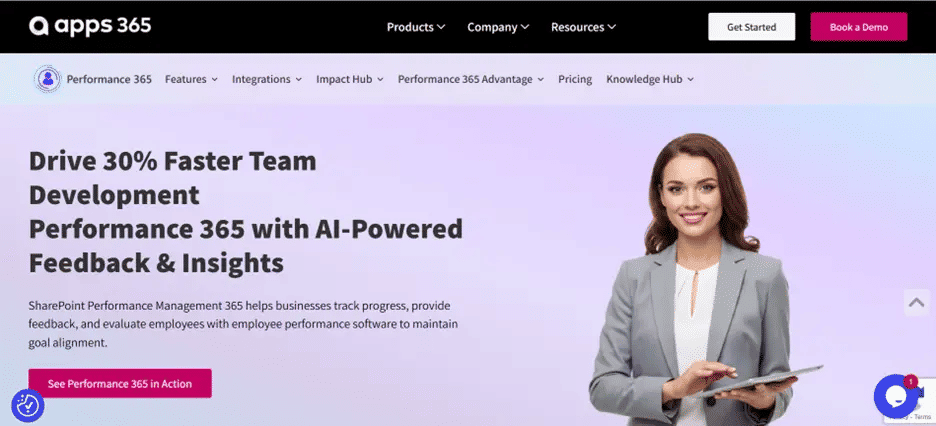
1. Performance Management 365
Best for: Organizations using the Microsoft ecosystem
Overview:
Performance Management 365 is a modern HR appraisal software that enables organizations to manage continuous feedback, structured appraisals, and goal alignment within a single platform. It is designed to simplify performance management while improving visibility and consistency across teams.
Key Features:
- Continuous performance tracking
- 360-degree feedback
- Goal alignment (OKRs/KPIs)
- Automated review cycles
- Real-time analytics and dashboards
- Integration with Microsoft Teams, SharePoint, and Outlook
Why Choose This:
It stands out for its seamless Microsoft 365 integration and ability to embed performance management directly into everyday workflows, improving adoption and efficiency.
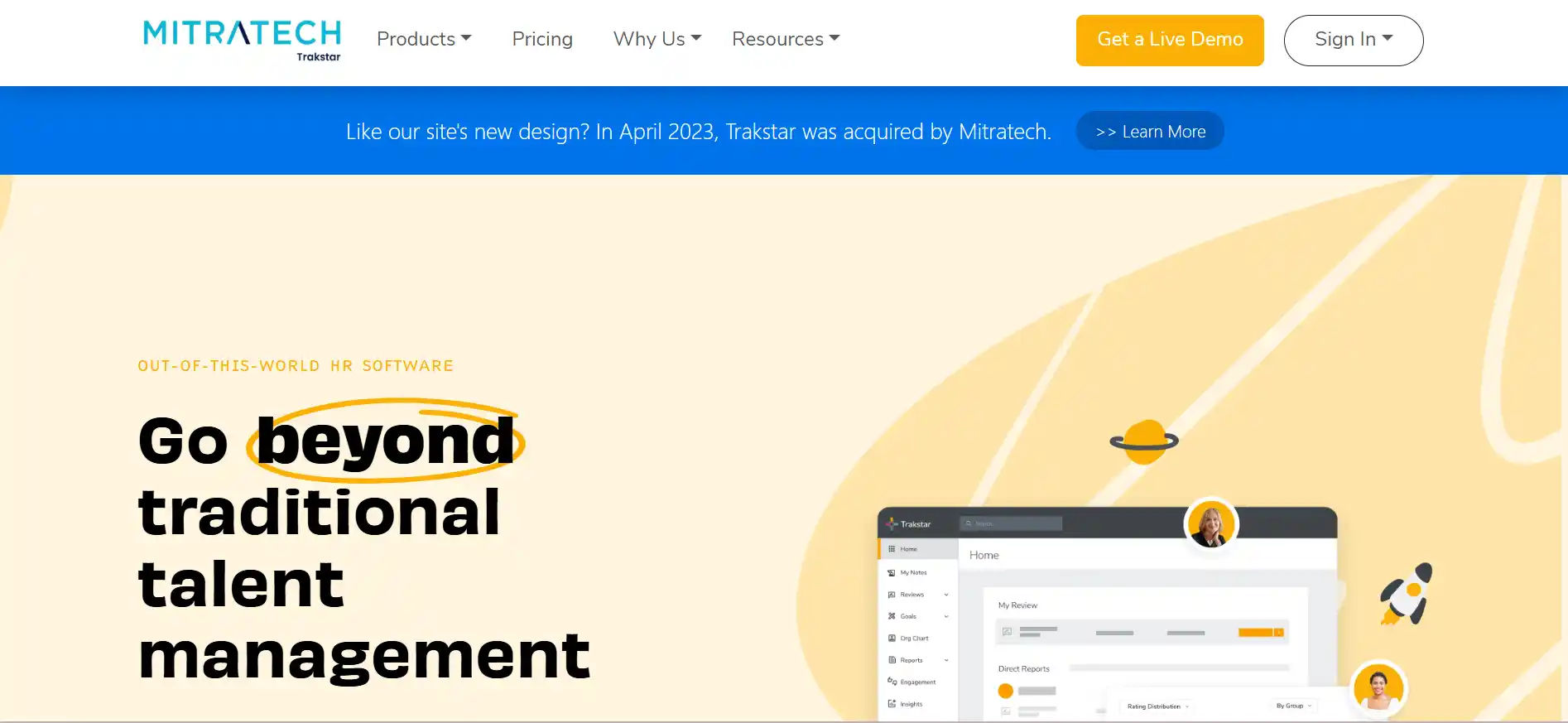
2. Trakstar
Best for: Structured and process-driven performance reviews
Overview:
Trakstar is an HR appraisal software that focuses on standardizing performance evaluation processes. It provides structured workflows that help organizations maintain consistency across reviews.
Key Features:
- Performance review management
- Feedback and evaluation tools
- Goal tracking
- Reporting and analytics
Why Choose This:
A strong choice for organizations that need a structured and process-oriented appraisal system with clear workflows.
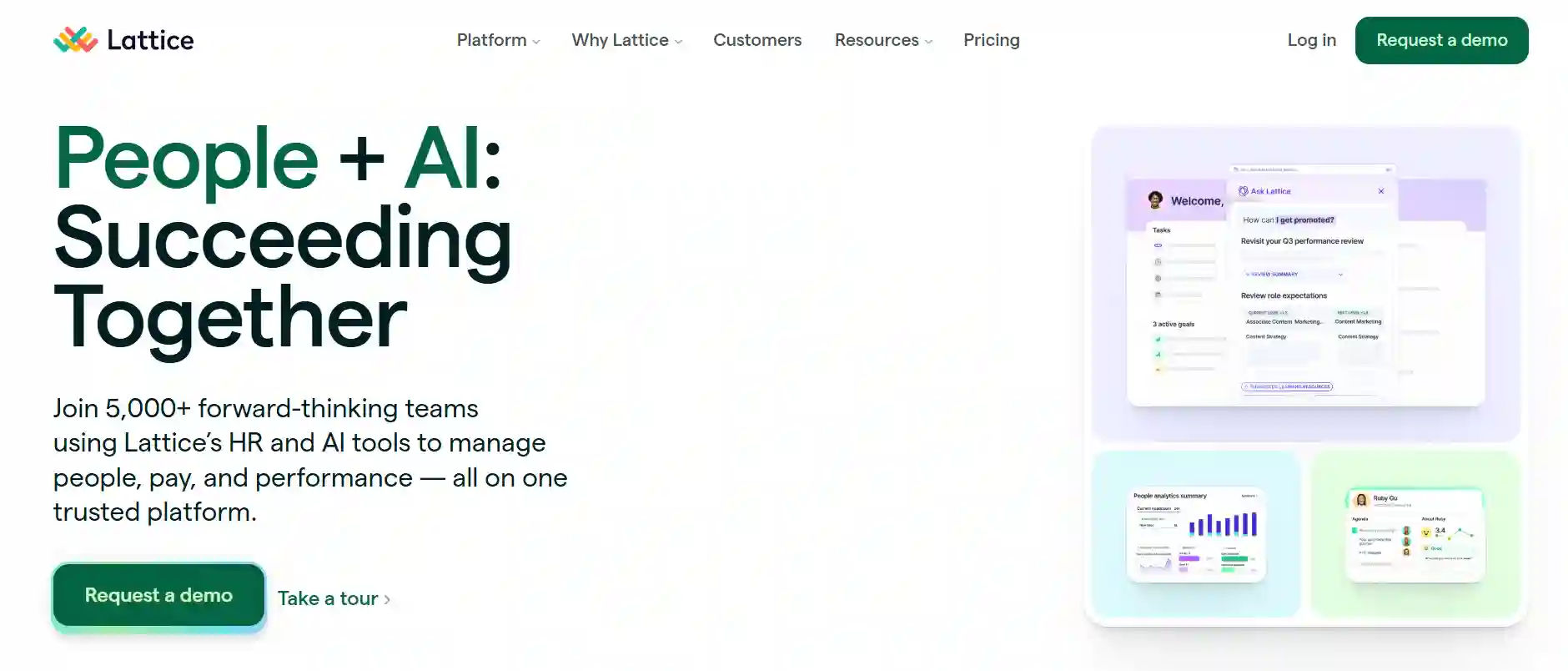
3. Lattice
Best for: Employee engagement and performance management
Overview:
Lattice is an HR appraisal software that combines performance management with employee engagement tools. It helps organizations improve feedback culture while tracking employee performance effectively.
Key Features:
- Continuous feedback and check-ins
- Engagement surveys
- Performance tracking
- Analytics and reporting
Why Choose This:
Ideal for companies focusing on engagement-driven performance management.
4. BambooHR

Best for: All-in-one HR solution for growing teams
Overview:
BambooHR offers HR appraisal features as part of its broader HR platform. It is designed for organizations looking to manage employee data and performance within a single system.
Key Features:
- Employee data management
- Performance reviews
- Reporting tools
- HR workflow management
Why Choose This:
Suitable for businesses that prefer an all-in-one HR platform with basic appraisal capabilities.
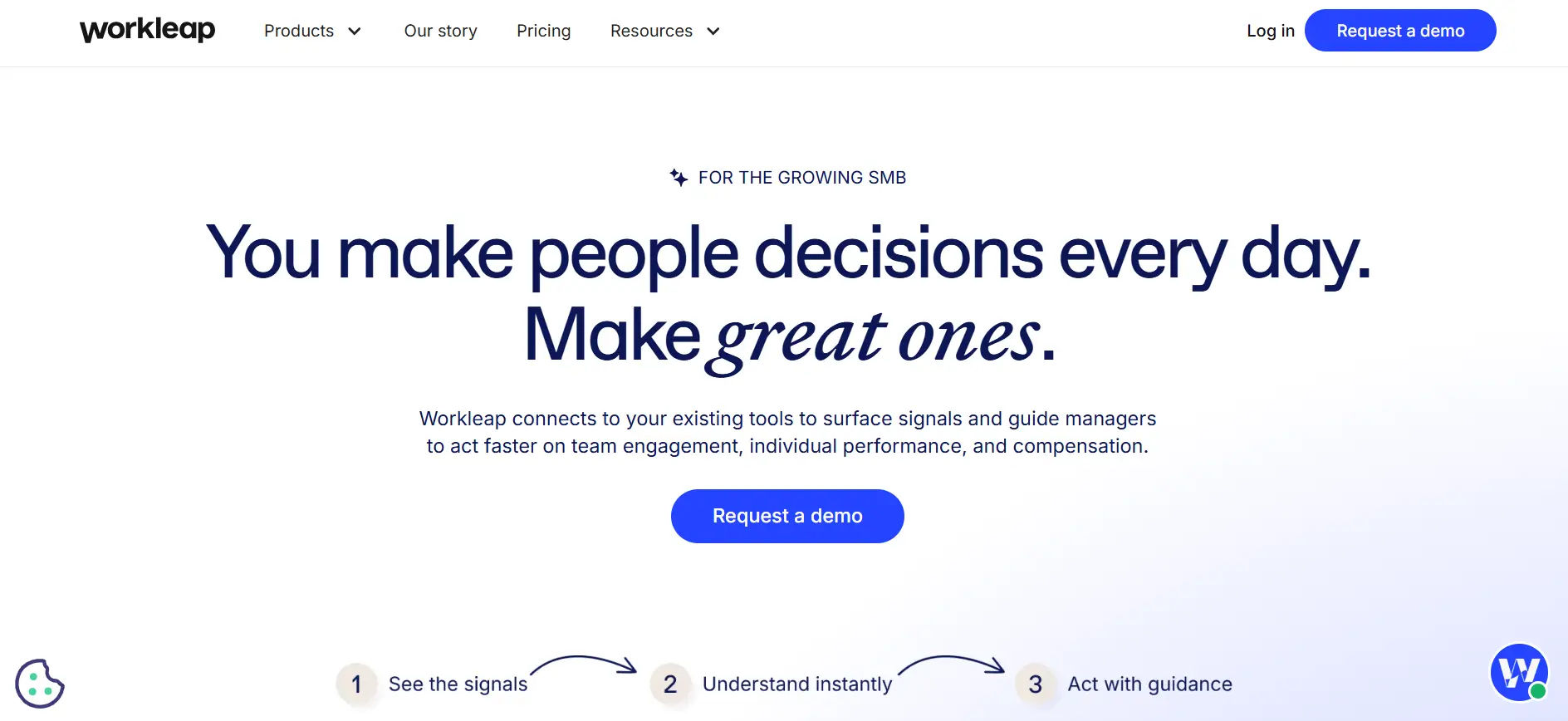
5. Workleap
Best for: Simple and user-friendly feedback systems
Overview:
Workleap provides a modern HR appraisal software experience focused on simplicity and usability. It helps organizations collect feedback and improve employee engagement.
Key Features:
- Feedback collection tools
- Engagement insights
- Performance tracking
- Reporting dashboards
Why Choose This:
Best for teams looking for a lightweight and easy-to-use feedback solution.
HR Appraisal Software Comparison (2026)
| Software | Best For | Key Features | Ease of Use |
| Performance Management 365 | Microsoft ecosystem | 360 feedback, automation, analytics | Very Easy |
| Trakstar | Structured reviews | Performance tracking, workflows | Easy |
| Lattice | Engagement + performance | Feedback, surveys, analytics | Easy |
| BambooHR | All-in-one HR | HR + performance tools | Easy |
| Workleap | Feedback systems | Engagement + insights | Easy |
Why Performance Management 365 Stands Out as the Best HR Appraisal Software
Choosing the right HR appraisal software is not just about comparing features it’s about finding a solution that fits seamlessly into your organization’s workflow while supporting long-term performance growth.
While many tools offer feedback and review capabilities, Performance Management 365 stands out by combining usability, integration, and intelligence into a single, unified platform.
Here’s what truly sets it apart:
1. Built for Continuous Performance Management
Performance Management 365 goes beyond traditional appraisal systems by enabling continuous feedback, regular check-ins, and real-time performance tracking. This ensures that performance management is an ongoing process rather than a once-a-year activity.
2. Seamless Microsoft 365 Integration
One of the biggest advantages is its deep integration with Microsoft 365 tools like Teams, SharePoint, and Outlook.
This allows employees and managers to:
- Share feedback directly within Teams
- Access performance data through SharePoint
- Manage approvals and notifications via Outlook
3. End-to-End Performance Management in One Platform
Instead of using multiple tools, organizations can manage:
- Performance reviews
- 360-degree feedback
- Goal setting (OKRs/KPIs)
- Employee development plans
All within a single system reducing complexity and improving efficiency.
4. Automation That Reduces Manual Effort
Manual appraisal cycles can be time-consuming and inconsistent. Performance Management 365 automates workflows such as:
- Review scheduling
- Feedback collection
- Approval processes
This ensures consistency while saving valuable time for HR teams.
5. Real-Time Insights for Better Decision-Making
With built-in dashboards and analytics, organizations gain instant visibility into employee performance trends.
Managers can:
- Identify top performers
- Spot performance gaps early
- Make data-driven decisions
6. Scalable for Growing Organizations
Whether you’re a growing business or an established enterprise, Performance Management 365 is designed to scale with your needs.
It adapts to:
- Expanding teams
- Changing organizational structures
- Evolving performance processes
7. Designed for Better Employee Experience
A simple, intuitive interface ensures that both employees and managers can easily use the platform without extensive training.
Self-service capabilities allow employees to:
- Track their goals
- View feedback
- Participate actively in the appraisal process
How to Choose the Right HR Appraisal Software
Selecting the right HR appraisal software is a strategic decision that directly impacts how effectively your organization manages performance, engages employees, and supports long-term growth. Instead of focusing only on features, businesses should evaluate how well a solution aligns with their workflows, integrates with existing systems, and scales over time.
Here’s a practical framework to guide your decision:
1. Define Your Business Needs Clearly
Before evaluating any software, it’s important to understand what your organization actually needs. Some businesses may require basic performance reviews, while others need a complete performance management system with continuous feedback and goal tracking. Without clear requirements, it’s easy to choose a tool that either lacks essential capabilities or introduces unnecessary complexity. Defining your needs upfront ensures a more focused and effective selection process.
2. Choose an All-in-One Solution
Using multiple tools for different HR functions can create fragmented data and inefficiencies. An all-in-one platform brings performance reviews, feedback, and goal tracking into a single system, making it easier to manage processes and maintain consistency. This unified approach not only improves operational efficiency but also provides better visibility into overall employee performance.
3. Ensure Strong Integration Capabilities
HR appraisal software should work seamlessly with the tools your organization already uses. Strong integration with platforms like Microsoft Teams, SharePoint, and Outlook allows performance-related activities to happen within familiar environments. This reduces the need to switch between systems, improves collaboration, and ensures higher adoption across teams.
4. Prioritize Ease of Use
A complex system can discourage employees and managers from using it effectively. The software should offer a clean interface, intuitive navigation, and a minimal learning curve. When a platform is easy to use, it increases engagement, improves data accuracy, and ensures that performance management becomes a natural part of daily workflows rather than an additional burden.
5. Look for Automation Capabilities
Manual appraisal processes can be time-consuming and prone to errors. Automation helps streamline tasks such as review scheduling, feedback collection, and approval workflows. This not only saves time but also ensures consistency across the organization, allowing HR teams to focus more on strategic initiatives rather than administrative work.
6. Select a Scalable Platform
As your organization grows, your performance management needs will evolve. Choosing a scalable solution ensures that the system can adapt to increasing team sizes, new roles, and more complex processes. A flexible platform reduces the need for frequent system changes and supports long-term business growth without disruption.
Conclusion
The way organizations evaluate performance is evolving, and relying on outdated appraisal methods is no longer sustainable. To build a high-performing and engaged workforce, businesses need systems that support continuous feedback, clear goal alignment, and data-driven decision-making.
Choosing the right HR appraisal software is not just about managing reviews it’s about creating a structured approach to performance that grows with your organization. A well-designed platform simplifies processes, improves transparency, and helps teams stay aligned with business objectives.
Performance Management 365 brings all of this together by combining continuous appraisal, automation, and seamless Microsoft 365 integration into a single, unified platform. It enables organizations to manage performance more efficiently while making it a natural part of everyday workflows.
If you’re looking to improve how your organization tracks, evaluates, and develops employee performance, now is the right time to take the next step.
🚀 Take Action
Book a demo today and see how Performance Management 365 can transform your appraisal process into a continuous, data-driven strategy.
Frequently Asked Questions
What is HR appraisal software?
HR appraisal software is a digital tool that helps organizations evaluate employee performance through structured reviews, continuous feedback, and goal tracking. It centralizes performance data, improves transparency, and enables businesses to manage appraisals more efficiently compared to manual or traditional review methods.
How does HR appraisal software improve performance management?
HR appraisal software improves performance management by enabling continuous feedback, real-time tracking, and data-driven insights. It helps managers identify performance trends, provide timely feedback, and align employee goals with business objectives, leading to more consistent and effective evaluations.
What features should you look for in HR appraisal software?
Key features to look for include continuous performance tracking, 360-degree feedback, goal alignment (OKRs/KPIs), automated review cycles, analytics dashboards, and seamless integrations with tools like Microsoft Teams. These features ensure better accuracy, efficiency, and scalability in performance management.
What is the difference between HR appraisal software and performance management software?
HR appraisal software focuses primarily on evaluating employee performance through reviews and feedback, while performance management software covers a broader scope, including goal tracking, continuous feedback, and employee development. Many modern tools combine both into a single platform.
Is HR appraisal software useful for compliance?
Yes, HR appraisal software is suitable for businesses of all sizes. Modern solutions are scalable and flexible, allowing growing organizations to start with basic features and expand as their performance management needs evolve. This makes it a long-term investment for business growth.
How do you choose the best HR appraisal software for your business?
To choose the best HR appraisal software, define your business needs, evaluate key features, check integration capabilities, and prioritize ease of use. It’s also important to select a solution that can scale with your organization and support continuous performance management.
Can HR appraisal software support remote and hybrid teams?
Yes, HR appraisal software is designed to support remote and hybrid teams by providing centralized access to performance data, feedback, and review processes. This ensures consistency, transparency, and collaboration regardless of employee location.


_JiluXJRGNl.svg)