
An employee onboarding platform is an online platform that introduces and absorbs new employees. It handles paperwork, training, goals, and introductions under one roof, functioning as a complete employee onboarding system rather than a scattered set of spreadsheets and emails.
SHRM notes that effective onboarding is more than paperwork because it is a strategic process that leads to engagement, retention, and productivity in new employees.
In plain words, it is the manual of your new employee and timesaving of your HR department. It automates processes, monitors progress, and every employee begins well. This platform creates a seamless and continuous onboarding process that makes employees feel that they are supported on the first day.
- Modern employee onboarding platforms automate paperwork, compliance, and orientation, so new hires start strong and HR teams save hours of manual follow-up every week.
- Digital onboarding is directly tied to retention — companies with a structured process see up to 82% higher new-hire retention.
- Features like analytics, role-based journeys, and pre-boarding access turn onboarding from a checklist into a connected, data-driven experience.
- The right platform helps new hires feel supported and motivated from day one, turning first-day confusion into confidence and long-term loyalty.
Why Every Company Needs Employee Onboarding Platform
Think about your new team member on the first day: he or she is very energetic but does not know what to do. Such indecisiveness is a drag to productivity and demoralization. Research indicates that companies that have a digital onboarding process increase retention of new hires by up to 82%.
Automation and consistency of work, hybrid teams, and remote collaboration is required in 2026. Both are offered by powerful HR onboarding tools built around employee onboarding automation, so that no employee is left without connection, confidence, and readiness on the first day.
Top Features to Look For in 2026
The following are things to consider when choosing a new employee onboarding platform:
SHRM says that effective onboarding is more than paperwork because it is a strategic process that leads to engagement, retention, and productivity in new employees.
Automated workflows and checklists
Get rid of manual repetitive work. These automated processes accelerate the recruitment process and save HR time. They also streamline complicated onboarding processes to make them more accurate, much like a purpose-built automated employee onboarding software.
Pre-boarding access
Introduce new employees prior to their day of work. Allow the full papers of employees early and be ready. This brings about a self-assured initial impression and easy adaptation into their new position.
Interactive learning materials
Self-paced videos and quizzes. They render the process of learning enjoyable and customized. The progress tracking makes sure that all new employees undergo necessary training effectively.
Mentorship modules
Appoint a mentor or coach to facilitate easier adaptation. This enhances contact and develops trust. It also provides new recruits with someone to consult when they have queries and advice.
Customizable templates
Role- or department-based onboarding. Relevance and clarity are enhanced by personalization. HR can easily maintain consistency across teams using templates.
Combined communication devices
Chat, email or video within the platform. This aspect simplifies teamwork and interaction. It stores information and messages at a single location.
Dashboard analytics
Gauge engagement, completion, and satisfaction. Live feedback can be used to enhance onboarding. HR can determine challenge and improve the experience of the employees.
Remote-ready interface
Available everywhere, everywhere. Best suited in hybrid and distributed teams. All people remain connected and updated wherever they are
HR system integrations
Align with IT, and learning systems. It reduces the number of manual labor and enhances accuracy. Integration ensures that data is common in the departments.
Feedback surveys
get employee feedback to keep on improving. Feedback fosters interaction and contributes to the optimization of onboarding. The continuous improvement guarantees that the experience of every new hire will be even better than the previous one.
Getting stuck on paperwork instead of people? See how automation fixes that.
Automating the repetitive parts of onboarding so your HR staff can focus on the human side.
Choosing the Right Employee Onboarding Platform
When choosing the appropriate employee onboarding platform, it is necessary to balance the usability, scalability, and features driven by insights. An intelligent decision would make all new employees feel that they are supported at the very beginning and assist the HR departments to save time and remain consistent.
Workflow automation
The system must be able to process the whole onboarding process without much manual intervention and increase efficiency.
Tracking and analytics
In-built dashboards allow assessing the performance of employees and optimizing future onboarding plans without any difficulties.
Customized onboarding experiences
It must be able to support a variety of roles, departments, and regions to experience onboarding in a more significant way, the same way a flexible employee onboarding application adapts to different teams.
Mobile-friendly and easy to use
Accessibility on all devices will provide an easy onboarding experience to both remote and hybrid workers.
Vendor training and support
Continuous support and updates will ensure a stable and high-performing onboarding environment.
Microsoft 365 integration
Simple accessibility will allow novice employees to use tools and documents with speed to adapt faster.
Compliance and security
Policy-driven onboarding is achieved through automated document collection and secure data management.
Employee engagement tools
Interactive learning and constant feedback ensure that new employees are motivated and engaged
Onboarding automation software
Assists HR departments in automating repetitive processes, which will be completed faster and facilitate the transition of employees.
Cloud-based onboarding solution – Allows real-time access and cooperation, allowing HR to do onboarding remotely.
An effective employee onboarding platform converts the initial impression into a successful long-term relationship building a confident, connected, and productive workforce.
Top Features to Look For in 2026
HR technology is transforming employee experience and no longer simple administration. The future of employee onboarding in 2026 will be the introduction of artificial intelligence and automation that alters the way organizations introduce new employees, moving further toward fully digital employee onboarding that tailors each step of the process.
According to Harvard Business Review, well-designed onboarding paces information deliberately instead of overwhelming new hires on day one, a principle AI-powered systems are increasingly built to support.
AI-powered systems will:
- Use AI onboarding tools to predict the resources a new hire will require based on the past onboarding trend.
- Recommend mentors using skills, goals, and cultural fit to enhance engagement and confidence.
- Automate follow-ups on pending tasks; this will ensure easier transitions through smart onboarding technology that keeps everyone on track.
- Provide real-time information about employee sentiment, satisfaction, and experience.
- Support evidence-based choices that assist HR managers to enhance onboarding approaches and shorten the time-to-productivity.
- Customize training modules and communication styles according to the learning preferences of every employee.
- Integrate flawlessly with collaboration applications, allowing new employees to be connected anywhere.
The innovative employee onboarding platform is a modern platform that supports a sense of belonging, retention, and more human-powered onboarding to forward-thinking businesses
Not sure which features matter most for your team size?
Share your onboarding volume and we’ll recommend the setup that fits, no obligation.
How Long Does It Take to Set Up an Employee Onboarding Platform?
This is one of the questions HR teams search for most before they commit to a new tool — the answer depends on how much of your current process is already digital.
If you're moving off spreadsheets and email
- Expect 2–4 weeks for initial setup, since workflows, templates, and permissions are being built from scratch.
- Most of this time goes into mapping your existing steps into a structured online onboarding process rather than into the software itself.
If you already use some HR software
- Setup can shrink to 1–2 weeks when documents, roles, and integrations carry over from your existing system.
- Data migration and permission mapping are usually the only real bottlenecks.
If you need multi-department or multi-region rollout
- Plan for a phased rollout of 4–8 weeks, department by department, so each team’s templates and approvals are tested before full launch.
- Running one department as a pilot first reduces rework later.
Top 10 Best Employee Onboarding Platforms for 2026
The identification of the optimal employee onboarding platform can change the way new employees spend their first days. Ten of the most successful tools to redefine onboarding in 2026 with automation, engagement and long-term retention are listed below.
Employee Onboarding 365
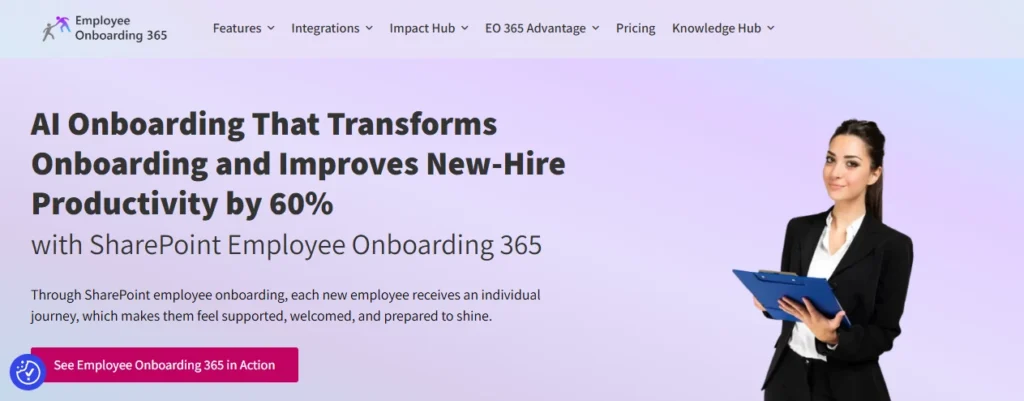
Employee Onboarding 365 provides full automation, analytics, and thorough integration with Microsoft Teams. Its intelligent workflows automate all offer letters to training processes to become a smooth digital onboarding process. The platform is perfect when an enterprise appreciates simplicity, scalability, and quantifiable performance data.
Sapling by Kallidus
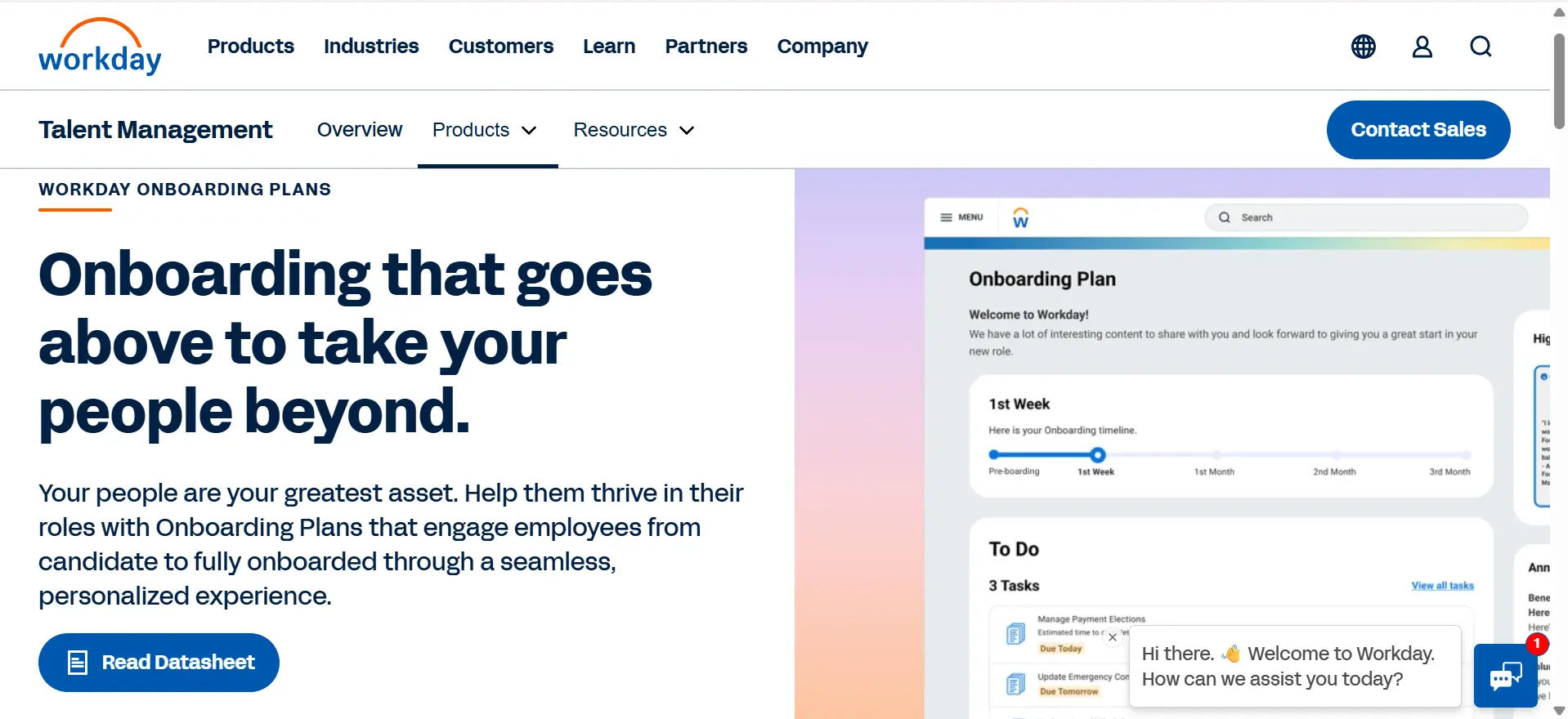
Sapling is a solution that is designed to support mid-sized companies that want to customize each onboarding process. It provides robust pre-boarding features, workflow permission, and automatic alerts to keep the HR and IT departments in sync. Sapling provides easy integrations and dashboards that are user-friendly to help every new hire begin on a high note.
BambooHR Onboarding
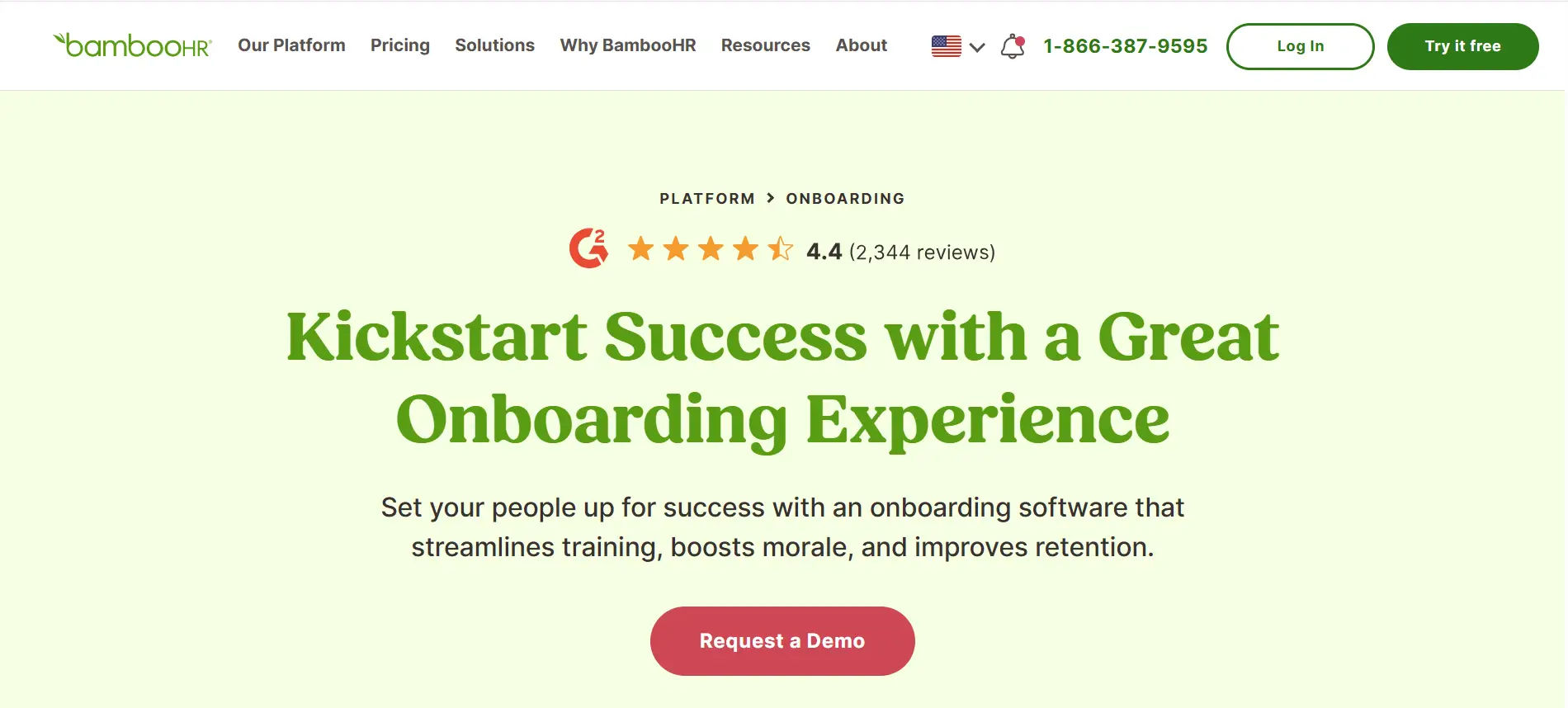
BambooHR is characterized by its user-friendly design and attention to company culture. It enables the HR teams to develop warm welcomes using checklists, e-signatures, and custom welcome messages. BambooHR is ideal to use in small organizations where new staff members are made to feel part of the company on the first day, at the same time conserving precious HR time.
Rippling
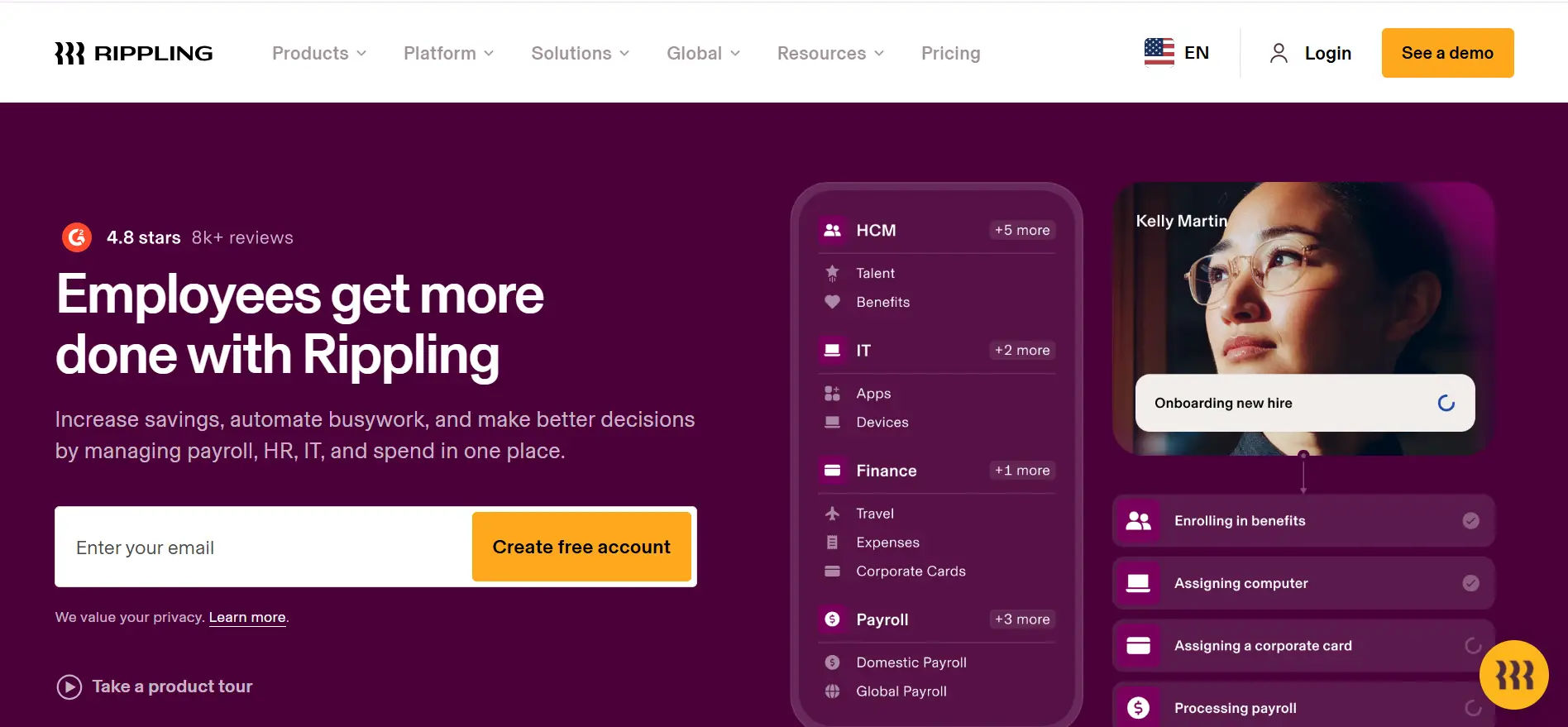
Rippling is a combination of HR, IT, and onboarding into a single system. It can create accounts, set up devices and authorize apps within minutes. Rippling is built to support expanding organizations, and all new hires can work right away without any manual work.
WorkBright
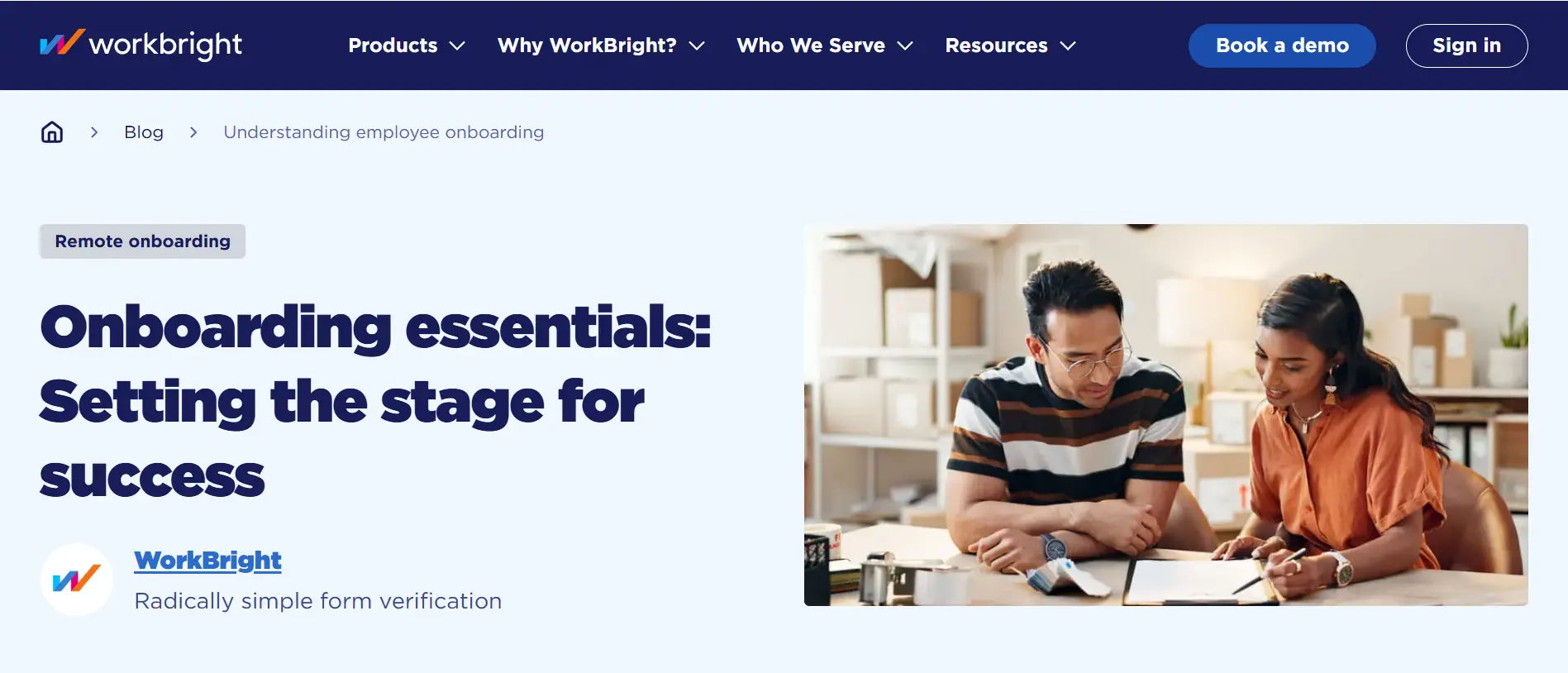
WorkBright is the remote or field-based team onboarding solution that is paperless and mobile-first. Recruitment allows new employees to post documents, sign forms and even train directly on their phones. It has a good compliance management that makes it accurate and fast even in the distributed workforces.
Talmundo
Talmundo is an onboarding that is engaged and learning based. Onboarding is enjoyable and consistent due to its interactive modules, quizzes, and feedback loops. Onboarding can be made a thrilling and individual process because HR teams can track the progress and make changes to the content in real-time.
Enboarder
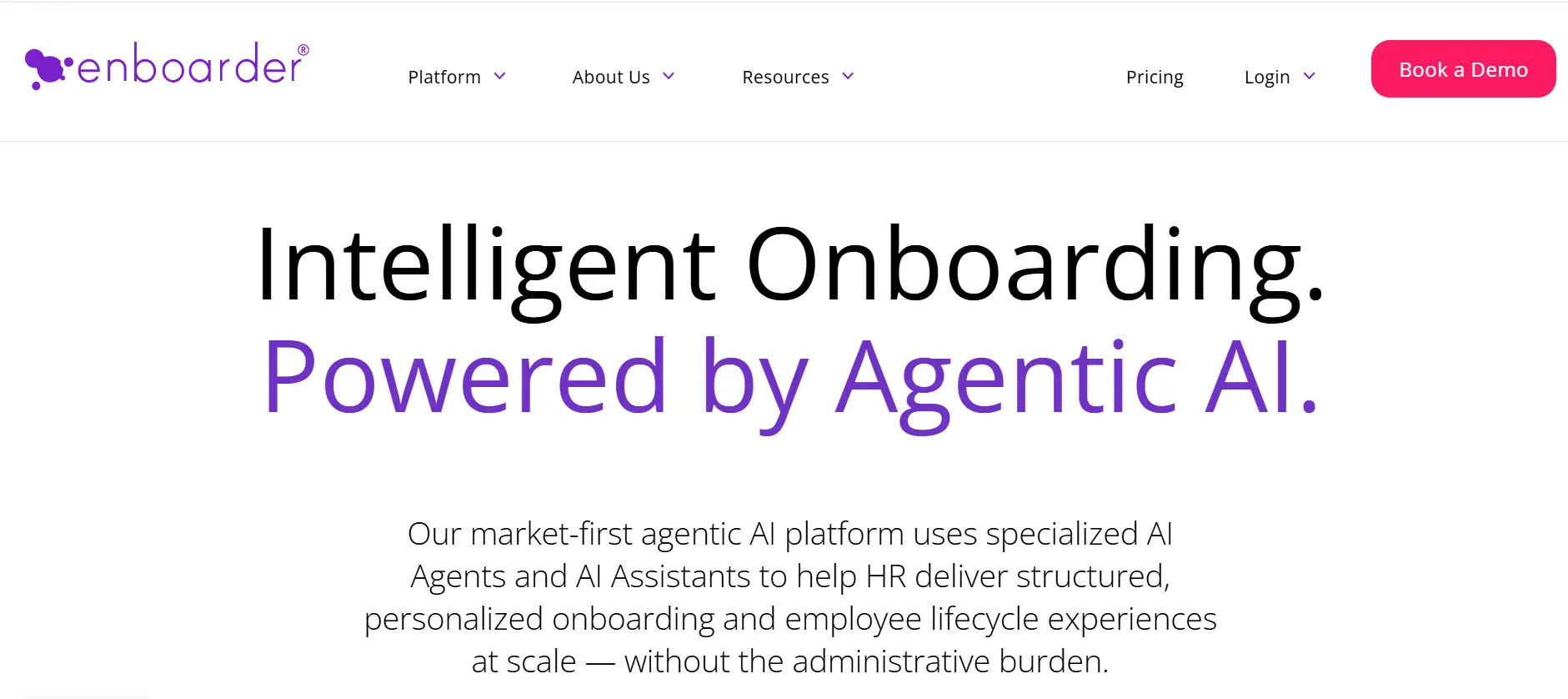
Enboarder is a digital onboarding that incorporates human connection into the process via storytelling and manager engagement. The platform assists companies in the provision of unforgettable experiences beyond checklists. The automation and insights of Enboarder creates meaningful relationships between employees on the first day.
ClearCompany
ClearCompany is a performance, recruitment, and onboarding platform. It allows HR departments to match personal objectives with corporate values. ClearCompany is ideal for organizations that are growth-oriented and accountable as it fills the gap between hiring and long-term performance management.
Trainual
Why Choose Employee Onboarding 365
Employee Onboarding 365 is designed to be used by progressive HR departments that desire outcomes without any superfluous complexity. It makes the onboarding process easier and makes the experience of all new employees friendly.
Key Strengths:
Smart Automation
Get rid of manual repetitive tasks by having customizable workflows, which can be adjusted to the needs of your company. Automation will be used to guarantee accuracy and will save hours in manual follow-up work.
Engaging Pre-boarding
Engage new employees prior to their first day through interactive videos, welcome notes and online forms. This early involvement makes the employees feel like they belong even before they commence.
Who Gets Benefits from Employee Onboarding Platform
Organize communication, training, and tasks in Microsoft Teams — your current workspace. It stores all that at a single location, which makes your employee onboarding platform easy and smooth, backed by native Microsoft 365 onboarding support.
Role-Based Journeys
Develop position or department specific onboarding paths to make training more relevant. Individual experiences result in a quicker adaptation and better performance.
Real-Time Analytics
Track activity, work done and feedback in real time with dynamic dashboards. The practical experiences assist the HR leaders to enhance the onboarding process continuously.
Seamless Compliance
Manage electronic forms, e-signatures, and policy acknowledgements easily. All the documents are stored in one place to ensure compliance and security.
Scalability
Employee Onboarding 365 expands with your organization, regardless of whether you are a startup or a large corporation. Adding users, roles or workflows is easily added without interruption.
Our system has saved companies that use it 40% in terms of administration time and 30% in terms of onboarding time, resulting in increased productivity and retention.
This is a strong employee onboarding platform whereby the journey of every new employee will start with order, clarity, and enthusiasm that will transform the first days into success stories
Conclusion
The initial impression that a new employee receives might determine his or her commitment in the long term. Spreadsheets and manual checklists are out of date. An intelligent employee onboarding system turns the beginning of each career path to be interesting, predictable and quantifiable.
Employee Onboarding 365 is one of the best tools to be used in 2026 because it combines automation, analytics, and human-centred design, echoing what Forbes describes as onboarding built with genuine design thinking rather than as a bureaucratic checklist. It is not merely software, it is the beginning of loyalty, culture and success.
Not sure which pricing tier fits your hiring volume?
Send us your rough monthly hiring numbers and we’ll point you to the plan that makes sense.
Join Our Creative Community
Frequently Asked Questions
How is an employee onboarding 365 different from just using email and spreadsheets?
A platform brings paperwork, training, task tracking, and communication into one place with automated reminders, instead of relying on someone manually chasing signatures and updating a spreadsheet by hand.
Can an employee onboarding 365 work for remote and hybrid teams?
Yes. Most modern platforms, including Employee Onboarding 365, are built to be accessed from anywhere, so remote hires can complete forms, training, and introductions without being physically in the office
Do we need IT involved to set up an employee onboarding 365?
IT is usually only needed for integrations, like connecting the platform to Microsoft 365 or your existing HR system. Day-to-day use, template building, and workflow changes are typically managed by HR directly
Will switching to a new onboarding platform disrupt hires who are already mid-onboarding?
No, if the rollout is phased. Most vendors let you run new hires on the new system while finishing existing onboarding on the old process, so nothing gets dropped mid-way.
How do we know if the onboarding platform is actually working?
Look at the dashboard analytics: completion rates, time-to-productivity, and feedback survey scores. A drop in manual follow-ups and a rise in on-time task completion are usually the clearest signs it’s working.


_JiluXJRGNl.svg)