12 Best Contract Management Tools in 2025 | Buyer’s Guide

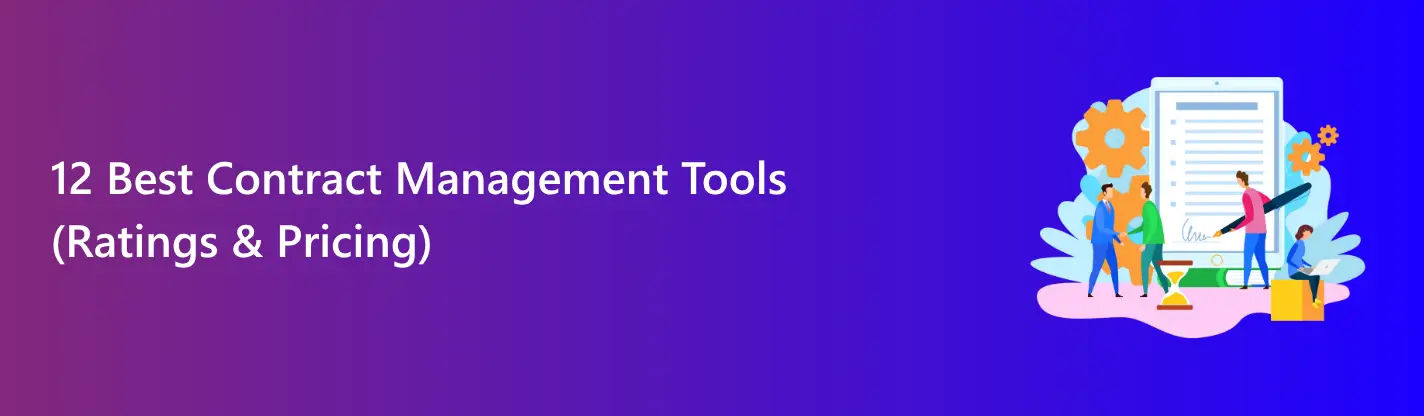
Today’s most forward-thinking businesses treat contracts as strategic assets not just paperwork.
With the right system in place, contracts can drive faster decision-making, strengthen partnerships, and create a seamless flow between legal, sales, procurement, and operations. That is where contract management tools shine.
Contracts are the foundation of every deal, every partnership, every dollar earned.
In fact, the business world is growing at fast. As per Grand View Research suggests projects that the global contract management software market was valued at $2.83 billion in 2024, and it’s only just begun. With a projected CAGR of 12.7% from 2025 to 2030, adoption is accelerating across industries.
Why? Because today’s leaders aren’t just looking to store documents. They want control. Automation. Speed. Compliance. Visibility.
With dozens of platforms flooding the market each promising to simplify your workflows and slash your risks how do you choose the one that delivers? We have done the thorough research that not only performs but provides actual needs for a business.
In this guide, you’ll find the top 12 contract management tools for 2025 evaluated not by hype, but by what matters. Let’s get you back in control.
What Is Contract Management Tools? (Simplified Definition)
A contract management tool is software that allows businesses to draft, organize, review, and monitor contracts from a single, user-friendly platform. Instead of using emails, spreadsheets, or paper files, this tool keeps everything organized and makes sure you never miss important dates like renewals or deadlines.
It also allows teams like legal, sales, HR, or finance to work together on contracts without confusion. Users can even sign contracts digitally and set up reminders, so nothing is forgotten.
Who Uses Contract Management Tools
Contract management tools are adopted by multiple departments within an organization to manage agreements. While they are often associated with legal teams, they bring value to any function that handles agreements, approvals, or key business relationships.
1) Legal Teams
Mid-sized companies with in-house tech teams typically invest around $1 million on legal technology solutions. Legal teams are among the primary users of contract management tools.
These tools help legal professionals manage contracts more efficiently by organizing all documents in a central place, tracking version changes, setting up contract approval process, and ensuring legal compliance.
2) Procurement teams
The procurement department rely heavily on contract management tool. They often work with multiple suppliers, service providers, and vendors. These tools assist legal teams in monitoring supplier contracts, managing delivery schedules and tracking contract terms.
3) Sales teams
Sales teams leverage contract lifecycle management tool to speed up deal closures.
Sales reps can quickly generate proposals and agreements using templates, send them for approval or signatures, and keep everything aligned with the system.
Instead of chasing down paperwork, the sales team can focus on closing deals and maintaining relationships with clients.
4) HR departments
They benefit from contract tools by streamlining employee documentation. Whether it’s offer letters, freelance agreements, or confidentiality forms, HR teams can manage everything in one secure place. The software ensures that contracts are up to date, easily accessible.
5) Finance teams
Finance teams use contract management tools to track contract terms linked to payments, billing, and revenue commitments.
These tools help finance professionals ensure that contracts are aligned with budgets and forecasts.
They also make it easier to identify upcoming renewal costs, track spending, and prepare for audit.
Why Implementing Contract Management Tools is Important
According to a Wolters Kluwer report, 76% of legal teams now use generative AI tools at least once a week. Contract management is a critical function in every organization, regardless of size or industry. As businesses grow, so does the volume and complexity of contracts from vendor agreements and client proposals to internal HR documentation.
Managing these manually or through disconnected systems can lead to missed deadlines, lost documents, compliance issues, and costly errors.
Implementing a robust contract management tool helps mitigate these risks by centralizing all contracts in a secure, organized environment.
With features such as automated reminders, streamlined contract workflows, and version control, teams can ensure nothing slips through the cracks.
Key stakeholders gain real-time visibility into the status of each agreement, improving accountability and operational efficiency.
Beyond risk reduction, the right software enables smarter decision-making and faster execution. It supports scalability by creating repeatable, trackable processes that grow with your business.
Investing in the right tool empowers your team to work with greater confidence, agility, and control.
Best 12 Contract Management Tools
Choosing the right contract management tools can be the difference between smooth operations and costly delays. After testing dozens of platforms, we have narrowed it down to the 12 best tools that combine usability, automation, and legal compliance perfect for teams that want more control, fewer risks, and faster contract cycles.
1) CLM 365
CLM 365 has earned the confidence of organizations aiming to bring clarity and control to their contract workflows. Our users choose CLM 365 for one compelling reason it makes complex processes remarkably simple.
Seamlessly integrated with Microsoft tools like Outlook, Teams, and SharePoint, CLM 365 becomes a natural extension of the systems your team already uses. There is no need for extensive onboarding just immediate efficiency from day one.
Standout Features
- Smarter contract management with CLM 365 – No AI Tax
- Get contract work done faster using built-in AI and smart automation.
- Track obligations in real-time and stay on schedule.
- Create contracts that fit the specific needs of your business.
- Detect risks early using intelligent AI analysis.
- Use ready-to-edit contract templates to save time.
- Create contracts easily with guided steps.
- Auto-send contracts to the right stakeholders.
- Set up multi-level approvals for full control.
- Resolve disputes quickly and clearly.
- Keep your contracts secure with strong legal safeguards.
- Gain insights and improve with detailed reports.
CLM 365 Ratings
G2: 4.8
Capterra: 4.8
Microsoft AppSource: 4.9 (79 reviews)
Why Users Loves It: CLM 365 stands out for its enterprise-grade security, seamless integration within the Microsoft 365 environment, and an intuitive design that requires no steep learning curve making contract management faster, safer, and easier for growing businesses.
2) ContractWorks
ContractWorks offers easy-to-use contract management tools designed for small businesses. These tools help you store, track, and manage all your contracts in one secure place. You can set reminders for important dates, create clear workflows, and avoid missing deadlines. With a clean interface and simple setup, ContractWorks makes contract management stress-free and efficient no steep learning curve needed.
Key Features
- Centralized contract storage for easy access and organization
- Automated alerts for renewals, expirations, and key dates
- Role-based access to protect sensitive contract data
- Smart search functionality for instant access to contracts and specific clauses
- Built-in e-signature for secure, fast signing
- Detailed audit logs and reporting to support compliance and activity tracking
- Simple, intuitive interface no training needed
ContractWorks Ratings
G2 Review: 4.8
Capterra: 4.8
Recognized For: Users love ContractWorks for its simplicity and speed. It’s easy to set up and use, making it ideal for teams that want to get started without a long learning curve. The platform offers secure contract storage, built-in e-signatures, and smart reminders that help users stay on top of renewals and deadlines.
3) Conga CLM
Conga CLM is a smart contract management tool designed for legal teams to simplify the contract process. It works smoothly with Word and Office 365, letting users draft, edit, and collaborate on contracts using tools they already know. With ready-to-use clause libraries, automated approval workflows, and easy tracking of contract obligations, the platform helps keep everything consistent and compliant.
Key Features
- Step-by-step contract creation without external help
- Easy setup for multi-stage approval workflows
- Real-time collaboration for reviewing documents together
- Automated reports and scheduled contract insights
- Pre-approved clause library for faster drafting
- Upload, store, and manage contracts created outside the system
- Seamless integration with your existing CRM and ERP platforms
Conga CLM Ratings
G2 Review: 4.3
Capterra: 4.3
Recognized For: One of the biggest advantages of Conga CLM is how quickly it gets teams up and running. There’s no lengthy setup or complex rollout just a smooth start that helps businesses gain value faster.
4) SpotDraft
SpotDraft combines simplicity with powerful features, making it a go-to choice for legal and business teams. Its user-friendly design means teams can get started quickly, and most are fully onboarded within 4–6 weeks. The platform stands out for its transparent, flexible pricing no hidden fees, just solid value. For teams looking to streamline contract management without the usual hassle, SpotDraft is a smart, scalable solution.
Key Features
- Risk-free contract creation with smart templates
- Built-in digital signatures for instant signing
- Custom approval workflows to match your process
- Centralized workspace for all contracts
- Easy team collaboration in one place
- Role-based access for secure document control
- Auto alerts for renewals and expirations
- AI-driven clause suggestions for faster drafting
- Full activity logs and version history
- Real-time reports and visual dashboards
SpotDraft Ratings
G2 Review: 4.5
Capterra: 4.8
Recognized For: Teams choose SpotDraft for its unmatched speed and value. With a clean, easy-to-use interface, legal and business users can draft, review, and approve contracts faster than ever cutting down delays and improving workflow efficiency.
5) Zoho Contracts
Zoho Contracts is built for growing businesses that want smart, structured contract management tools without the complexity. With customizable clause templates and automated approvals, it simplifies every step from drafting to execution. Clean, efficient, and easy to use, it’s a standout choice for teams ready to scale with confidence.
Key Features
- Ready-to-use customizable contract templates
- Automated approval flows for faster turnaround
- Built-in eSignature for secure online signing
- Centralized tracking of renewals and amendments
- Version control with full activity logs
- Pre-approved legal clause library for quick drafting
- Custom dashboards and reports for performance insights
- Leegality integration for compliant digital signing
Zoho Contracts Ratings
G2 Review: 4.5
Capterra: 4.4
Recognized For: From vendor deals to service contracts, the platform simplifies workflows so teams can focus on growing stronger business relationships.
6) Juro
Juro makes contract work easy by handling drafting, editing, signing, and teamwork in one place. Its built-in editor means no switching between apps. With a clean and simple design, it’s a great choice for teams who want to work faster and stay organized.
Key Features
- Integrates with Slack, Salesforce and Google Drive
- Get smart suggestions and support with built-in AI assistance
- Work together in real time with your team on one shared platform
- Track performance and insights with a powerful analytics dashboard
- Customize workflows easily using a no-code setup
- Simplify contract review with clear, easy-to-follow tools
- Speed up approvals with a smooth, organized process
Juro Ratings
G2 Review: 4.6
Capterra: 4.8
Recognized For: Juro’s clean and intuitive design helps teams get started fast without long onboarding. Built for modern businesses, it makes contract management simple, so teams can stay focused and move faster.
7) Ironclad
Ironclad provides legal and business teams with a user-friendly platform to handle every stage of the contract lifecycle effectively. With AI-driven workflows and smart automation, it helps teams move faster, stay compliant, and reduce manual work.
As contract needs grow, Ironclad offers the flexibility to adapt whether it’s advanced compliance tracking, customizable workflows, cost control, or smooth integration with existing tools.
Key Features
- Visual dashboards and detailed reports for better contract insights
- Timely alerts and reminders to stay ahead of deadlines
- Seamless collaboration for faster contract turnaround
- Easy in-platform contract editing with version control
- Attach and manage supporting documents in one place
- Ironclad’s Jurist AI assists with contract review and drafting
- Easily connects with platforms such as Salesforce, CloudEagle, and Ashby to support connected workflows.
Ironclad Ratings
G2: 4.5
Capterra: 4.4
Recognized For: User-friendly platform that simplifies business contract processing and offers valuable integrations for smoother workflows.
8) Icertis
Icertis is a powerful and widely used contract management tools that uses AI to streamline the entire contract lifecycle. From creation to renewal, it automates key tasks, reduces errors, and ensures compliance with real-time tracking and insights. Built for scalability and integration, Icertis helps businesses work faster, reduce risk, and stay in control of their agreements.
Key Features
- Easy contract creation with helpful tools
- Clear contract insights through smart analytics
- Personalized dashboard to track what matters
- Find any contract quickly with global search
- Mobile app to manage contracts anywhere
- Role-based access to keep data secure
- AI and automation to speed up contract tasks
- Ironclad Autopilot highlights key info using simple language
- Works well with SAP, Salesforce, and other business systems
Icertis Ratings
G2: 4.2
Capterra: 4.2
Recognized For:
9) Agiloft
Agiloft is a flexible, no-code contract management platform designed to help businesses automate contract workflows, improve compliance, and reduce risk. With powerful customization options and seamless integrations, it gives teams full control over their contracts without needing any technical skills.
Key Features
- Centralized contract storage with smart search
- No-code workflow automation for approvals
- Built-in e-signatures with DocuSign and Adobe Sign
- AI tools for risk detection and clause suggestions
- Real-time dashboards and reporting
- Integrates with Salesforce, SAP, Teams, and more
- Complete version history and activity logs to support compliance
Agiloft Ratings
G2: 4.2
Capterra: 4.4
Recognized For: Built with a customer-first approach, the platform makes it easy to track agreements at every stage. Its AI-powered features simplify complex tasks, helping teams work faster and stay in control all within a system designed for real people, not just legal experts.
10) Concord
Concord stands out among contract management tools for its simplicity and efficiency. It streamlines the entire contract lifecycle drafting, negotiation, signing, and renewal within one easy-to-use platform. With real-time collaboration, built-in eSignatures, and automated workflows, Concord helps teams manage contracts faster while staying organized and compliant.
Key Features
- Quick setup designed for legal teams
- Effortless data extraction from contracts
- Simple and intuitive user experience
- Full visibility across all contract stages
- Centralized access to contract information
- Built-in analytics for smarter decisions
- Automatic tracking of key dates and deadlines
- Easy integration with Salesforce, HubSpot, Box, and Slack
- Secure cloud-based contract storage
Concord Rating
G2: 4.3
Capterra: 4.6
Recognized For: Users appreciate how easy it is to use, making the entire contract lifecycle from creation to renewal simple and stress-free. It’s especially a great fit for small businesses.
11) Summize
Summize offers advanced system designed to streamline the entire contract lifecycle. From simplifying reviews and negotiations to improving team collaboration, it brings speed and clarity to every step of the process. With its smart features and user-friendly interface, Summize helps legal and business teams manage contracts more efficiently making it one of the most practical contract management tools for modern organizations.
Key Features
- Streamlines contract reviews using intelligent AI
- Powered by Summize Intelligent AI (SIA) for faster insights
- Integrates with Slack, DocuSign, Jira, and Microsoft Teams
- Centralized document storage for easy access and tracking
- Simplifies the entire contracting process from start to finish
Summize Ratings
G2: 4.7
Capterra: 4.6
Recognized For: A great fit for businesses looking to reduce legal complexity, Summize is easy to implement and simple to use making contract management faster and more efficient.
12) ContractSafe
ContractSafe is one of simple yet powerful contract management tools that takes the stress out of handling agreements. Designed with ease of use in mind, it allows businesses to securely store, track, and manage contracts all without the usual complexity.
Key Features
- Auto-extract key contract metadata
- Organized, searchable contract repository
- Custom statuses to fit your workflow
- Support for contracts sent via email
- Unlimited amendments and attachments
- Smart search with clear reporting tools
- Secure, scannable document storage
- Strong data protection and security features
ContractSafe Ratings
G2: 4.7
Capterra:4.8
Recognized For: Users appreciate how easy it is to access and manage contracts, with automation that saves time and reduces manual work. Its customizable features adapt to different business needs, and the value it delivers makes it well worth the investment.
Benefits of Using a Reliable Contract Management Tool
Choosing the best contract management software is more than just adopting new technology; it is about improving efficiency, reducing risks, and empowering teams to handle contracts with greater control. Here are seven key benefits that highlight why reliable contract management tools are worth the investment
1. Faster Approvals with Built-in E-signatures
A reliable contract management tool often includes secure e-signature functionality that speeds up the approval process significantly.
In fact, 78% of businesses now use e-signatures to move contracts forward quickly while keeping them protected.
With fewer delays and less paperwork, organizations can finalize agreements in hours instead of days, improving response times and business outcomes.
Also Read: What Is Electronic Contracts
2. Centralized Access to All Contracts
A common challenge in many workplaces is scattered contract data. According to M-File research, 46% of employees struggle to find the information they need, often because it’s buried in emails, paper records, or outdated systems. Contract management tools solve this by offering a single, centralized platform where all agreements are stored, organized, and searchable saving time and improving visibility for every team member.
3. Improves Collaboration Across Teams
Contracts often require input from legal, finance, sales, and procurement.
According to Statista, 79% of professionals using collaboration tools, it’s clear that teamwork is a priority.
A reliable contract management tool allows multiple stakeholders to work on the same document in real-time.
4. Legally Binding E-signatures Backed by Compliance
Beyond just convenience, A study by Adobe says that 87% of businesses recognize that electronic signatures are legally binding.
Most reliable tools support compliant e-signature workflows that meet global standards.
However, it’s always wise to verify local laws before implementation.
By embedding secure signing into the platform, contract tools eliminate the need for third-party solutions while maintaining legal validity.
5. Reduces Risk with Better Audit Trails and Version Control
Contract management tools maintain detailed records of who did what and when providing full visibility across every stage of the contract lifecycle.
With built-in version control and audit logs, businesses can easily track changes, hold teams accountable, and reduce the risk of disputes or compliance issues later on.
6. Boosts Productivity by Eliminating Manual Work
Manual processes like printing, scanning, emailing, and chasing approvals waste valuable time.
A reliable contract management tool automates these repetitive steps, helping teams work faster and stay focused on high-value tasks.
Automated alerts, smart templates, and approval flows reduce delays and improve turnaround time across departments.
7. Enables Smarter Decisions Through Real-Time Insights
With access to custom dashboards and reporting tools, contract management platforms help leaders understand contract performance, bottlenecks, and trends.
These insights allow for better forecasting, supplier evaluation, and strategic planning all based on real-time data, not guesswork.
How to Choose the Right Contract Management Tools
Managing contracts can quickly become complex, especially as a business expands. Missed deadlines, misplaced documents, or inconsistent contract versions often lead to operational delays and unnecessary risks. Contract management tools are built to solve these challenges but choosing the right one requires careful evaluation.
This guide outlines a practical approach for selecting a tool that fits actual business needs, rather than just feature lists.
1. Start with Internal Needs
Before comparing platforms, it’s important to define what the organization requires. Key questions to ask internally
- What is the volume of contracts handled monthly?
- Which departments need access to contract data?
- Is there a need to manage agreements across different locations or teams?
- What systems or processes are currently used (e.g., email, shared drives, spreadsheets)?
Understanding the current contract lifecycle management process and identifying pain points helps narrow down tools that address real operational gaps.
2. Prioritize Ease of Use
Adoption depends heavily on usability. If a platform is too technical or difficult to navigate, teams are unlikely to engage with it fully.
Important usability features include:
- A clean and organized interface
- Quick upload and search functionality
- Minimal learning curve for users
- Compatibility with both desktop and mobile environments
Trial periods or product demos can help evaluate ease of use across different roles.
3. Focus on Essential Features
Not every organization needs every available feature. It’s more effective to select a tool based on core functionality required to meet day-to-day demands. Useful features may include:
- Standardized contract templates
- Access controls based on user roles
- Automated deadline alerts
- E-signature capabilities
- Version history and document tracking
- Internal commenting or note features
- Renewal and expiry management
Prioritizing these features based on operational relevance helps prevent overspending on tools that are feature-rich but rarely used.
4. Integration with Existing Systems
A strong contract management tools should integrate with platforms already used across the business such as Microsoft 365 and other cloud storage services, or internal communication apps.
Benefits of integration include:
- Improved efficiency by keeping all systems connected
- Reduced need for manual data transfer
- Consistent workflows across platforms
Common integrations to look for include MS Teams, Outlook and DocuSign.
5. Consider Security and Access Control
Contract data is often confidential. A reliable contract management system must offer strong security features to protect sensitive documents and provide auditability.
Critical security features include:
- Two-factor authentication
- Role-based access permissions
- Audit trails and activity logs
These capabilities protect against unauthorized access and support internal governance standards.
6. Evaluate Support and Onboarding Process
Even well-designed software can create frustration without proper support. It’s essential to understand the vendor’s customer service approach and how quickly the system can be implemented.
Key factors to evaluate:
- Availability of support channels (chat, phone, email)
- Access to training materials or onboarding assistance
- Time required for initial setup and full adoption
Reliable support can make a significant difference in long-term user satisfaction and productivity.
7. Choose Scalable Solutions
As organizations grow, contract volumes increase, and workflows become more complex. A scalable platform must adapt easily to changing business needs as the organization grows.
Features to support scalability:
- Flexible pricing tiers
- Support for multiple teams or departments
- Availability of advanced modules or integrations as needs evolve
Selecting a tool with room to grow avoids the need for costly migrations later.
8. Balance Budget and Long-Term Value
While pricing is a critical consideration, value should be the main driver. A less expensive platform that lacks essential features may lead to inefficiencies, while a slightly higher investment in the right tool can pay off in time saved and reduced risk.
Important factors to evaluate
- Transparent pricing structures
- Included support and updates
- Measurable outcomes like faster contract cycles or fewer errors
Choosing based on long-term impact helps avoid short-term compromises that affect performance.
7 Simple Steps to Implement CLM 365 Successfully
- Define contract workflows based on current business processes
- Set user roles and permissions to control access and actions
- Migrate existing contracts into the centralized CLM 365 system
- Configure templates and clause libraries for faster contract creation
- Integrate with Microsoft tools like Outlook, Teams, and SharePoint
- Train teams with simple walkthroughs and use-case demos
- Monitor adoption and performance using built-in reports and dashboards
Conclusion
The right contract management tool can make a big difference speeding up approvals, improving access, and helping teams work better together. Solutions like CLM 365 offer practical features that fit smoothly into everyday workflows, especially for businesses using Microsoft tools.
Whether it is CLM 365 or another trusted platform, now is the time to explore tools that support smarter, more secure contract management. Evaluate your needs, compare options, and choose a solution that grows with your business.
Frequently Asked Questions
Does Agiloft offer a free trial?
No, Agiloft does not offer a free trial. However, it provides personalized demos and custom walkthroughs upon request.
Does CLM 365 support mobile accessibility?
Yes, CLM 365 is accessible on mobile devices, allowing users to review, manage, and approve contracts on the go.
Are multi-language contracts supported in CLM 365?
Yes, CLM 365 supports contracts in over 8 languages, making it suitable for businesses operating across global regions.
Can dashboards guide decision-making?
Yes, contract analytics reveal where contracts workflow needs to be improved, renewal timing, and performance trends.
Can teams collaborate externally with CLM 365?
Yes, CLM 365 allows external collaboration through features like redlining, commenting, and secure access for external reviewers making it easy to work with clients, vendors, or legal partners outside the organization.