A Complete Guide to Asset Management Systems: Key Features and Considerations
_eH2jDg7dZ.png)
Whether you’re a small business owner, a financial professional, or a leading industry executive, effectively managing your assets is crucial to your success.
An asset management system helps organizations track and manage assets from acquisition to disposal. Key features include lifecycle management, preventive maintenance, mobile access, and integration with other systems for seamless operations.
Analytics, reporting tools, and cloud-based technology offer added benefits like data-driven decision-making, improved security, and reduced IT costs, making asset management systems essential for efficiency and long-term asset performance.
The asset management system market is projected to grow from USD 16.8 billion in 2020 to USD 27.4 billion by 2025 according to a research.
To safeguard your data from these threats, it’s essential to have an asset management system in place. This system should protect sensitive information, efficiently track assets, and provide robust digital security.
What is an Asset maangement system?
An asset management system involves the management and organization of both physical assets, such as machinery and vehicles, and digital assets, including software and files. It integrates with business infrastructure to facilitate efficient data management and enhance security across various platforms.
Transitioning from simple spreadsheets to sophisticated cloud-based solutions, these systems provide effective tracking, compliance, and safeguarding of valuable assets in today’s fast-paced business environment.
How an Asset Management Operates
An asset management system encompasses a thorough workflow that spans from acquisition to disposal, including procurement, usage, maintenance, and retirement stages. Physical assets are monitored with tags like barcodes or RFID, while software assets are tracked using digital identifiers such as license keys.
By integrating with enterprise systems like ERP and CRM, businesses can ensure a smooth flow of data across departments, improving oversight and operational efficiency. This combination allows organizations to optimize resource allocation, maintain compliance, and extend the lifespan and value of their assets throughout their lifecycle.
Why is an Asset Management is Essentail?
Effective asset management is crucial for any organization, regardless of its size or industry. By implementing an efficient asset management system, businesses can streamline operations, reduce costs, improve decision-making, and extend the lifespan of their assets. Below are key reasons why asset management is essential:
- Improved Operational Efficiency
Asset management helps organizations optimize the use of their resources. By monitoring assets throughout their lifecycle, businesses can prevent unplanned downtimes and reduce the time spent on asset management tasks. This results in smoother operations, better productivity, and fewer disruptions to the workflow.
- Cost Savings
An effective asset management strategy can lead to significant cost savings. By tracking the condition and performance of assets, businesses can perform preventive maintenance, which helps avoid costly repairs and replacements. Additionally, understanding when assets need to be replaced or disposed of ensures that funds are spent wisely, rather than on outdated or underperforming equipment.
- Enhanced Decision-Making
Asset management provides businesses with valuable insights into asset performance, usage trends, and maintenance needs. These insights enable decision-makers to make informed choices about when to upgrade or replace equipment, helping to avoid unnecessary expenditures and optimize resource allocation.
- Compliance and Risk Management
Many industries have regulatory requirements regarding asset tracking, maintenance, and reporting. Asset management systems help organizations stay compliant with these regulations by maintaining accurate records and ensuring assets are properly maintained. Additionally, having a clear overview of asset conditions reduces the risk of unforeseen failures or safety incidents, which could otherwise lead to costly liabilities.
- Asset Longevity
By consistently monitoring and maintaining assets, businesses can extend their useful life. Preventive maintenance helps identify potential issues early, enabling timely repairs that can delay or even eliminate the need for costly replacements. Proper asset management ensures that each piece of equipment performs optimally for as long as possible.
- Improved Security
Asset management systems offer better control and security for physical and digital assets. With advanced tracking and monitoring features, businesses can safeguard their valuable assets from theft, misuse, or loss. Additionally, asset management systems help maintain data security by ensuring sensitive information is properly tracked and stored.
- Scalability and Growth
As organizations grow, the complexity of managing assets increases. Asset management systems provide the tools to efficiently scale operations by automating asset tracking, maintenance scheduling, and reporting. This enables businesses to handle a larger volume of assets without sacrificing control or efficiency.
What is Asset management Software All About?
Asset management software is a digital tool designed to enhance the organization, tracking, and optimization of valuable assets within a company or organization.
This innovative solution transforms the way businesses manage their physical, digital, and financial resources by providing a centralized platform for efficient inventory management, maintenance planning, cost evaluation, and more.
By leveraging advanced analytics and real-time data, asset management software enables companies to make well-informed decisions, optimize resource use, and ultimately foster growth and profitability.
The Advantages of Asset Managment Software
Using asset management software provides a range of benefits that are essential for effective resource management and organizational success.
- Improved Accuracy: Centralizing asset information minimizes errors linked to manual tracking, ensuring the accuracy and reliability of data.
- Real-Time Monitoring: Immediate visibility into the location, status, and usage of assets supports proactive decision-making and resource optimization.
- Automated Maintenance Notifications: An efficient maintenance process with automated reminders for regular upkeep tasks reduces downtime risks and enhances the longevity of assets.
- Customizable Analytics and Reporting: Detailed insights from customizable reporting and analytics features enable stakeholders to spot trends and make well-informed strategic choices.
- Integration Features: Integrating with other business systems improves workflow efficiency and data integrity by removing redundant tasks and ensuring smooth information exchange across departments.
Key Features of Asset Management Systems for Efficient Tracking, Security, and Integration
When selecting an asset management system, it is essential to focus on features that enable effective asset tracking, ensure robust security, and provide seamless integration with your organization’s other systems. Below, we highlight the key elements that are crucial for optimal asset management:
Asset Lifecycle Management
The best asset management software should manage an asset’s entire lifecycle, from acquisition to disposal. This feature allows you to monitor the history, usage, maintenance, and performance of your assets. By tracking the lifecycle, you can ensure optimal asset utilization and schedule timely replacements or disposals when necessary, preventing inefficiencies or unplanned downtime.
Preventive and Predictive Maintenance
Preventive and predictive maintenance capabilities are critical for keeping your assets in optimal condition. These features allow you to schedule regular upkeep tasks and monitor the condition of your assets. The software can also analyze historical data to identify potential issues, predict failures before they happen, and recommend proactive maintenance, reducing downtime and minimizing costly repairs.
Mobile Accessibility and Software Integration
An effective asset management system should be mobile-friendly, offering easy access across devices like desktops, laptops, and tablets. This flexibility allows your team to manage assets on the go. Furthermore, the system should seamlessly integrate with other software and systems within your organization, improving workflow and enhancing productivity.
Analytics and Reporting
Robust analytics and reporting tools are essential for effective asset management. The software should allow you to track asset performance, identify trends, and make data-driven decisions to optimize asset utilization. Customizable dashboards and reports provide a comprehensive view of asset health, enabling you to take timely action and improve your overall asset strategy.
Cloud-Based Technology
Choosing cloud-based asset management software offers several advantages. With automatic updates, reduced reliance on IT for maintenance, and improved data security, cloud solutions help streamline asset management processes. Additionally, they are more cost-effective than on-premise solutions, as they reduce the need for expensive hardware and server infrastructure.
10 Best Asset Management Software for 2026
Asset Management 365
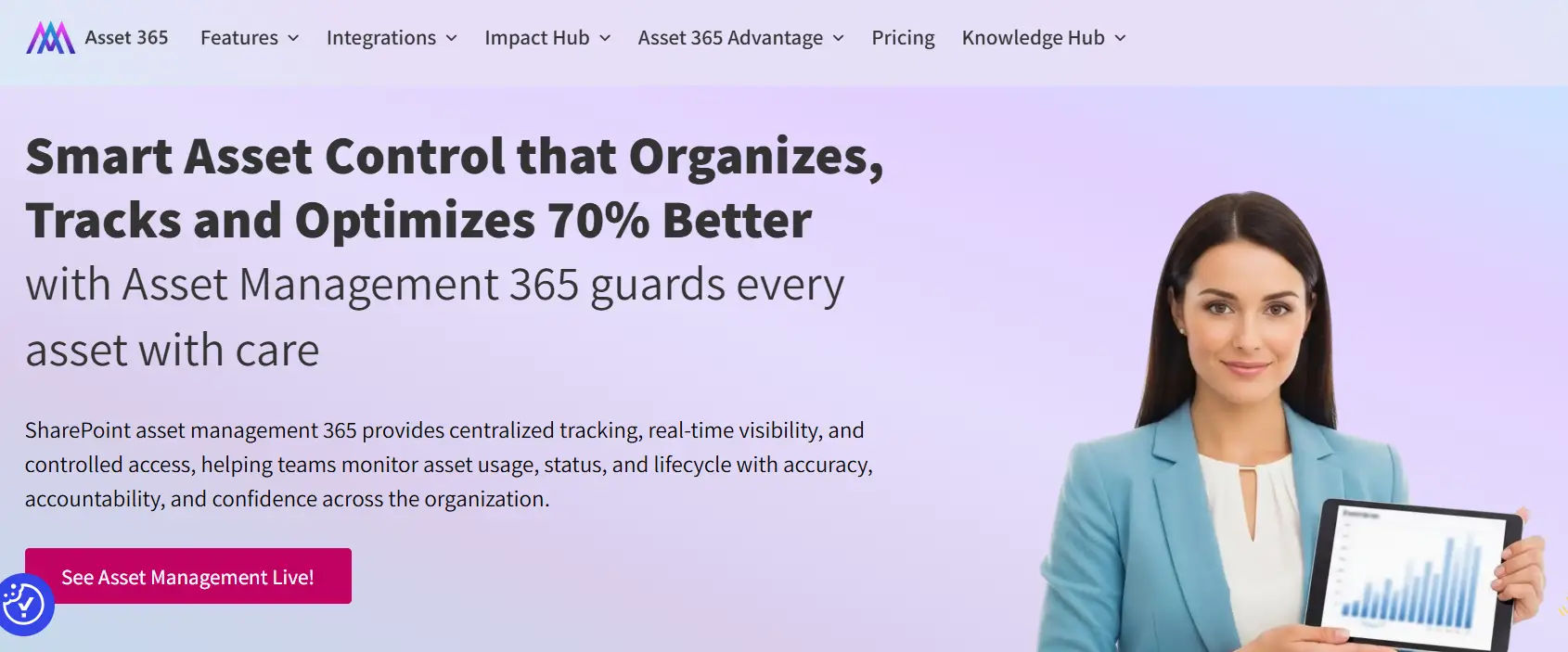
Asset Management 365 is a comprehensive, scalable solution designed to streamline asset tracking and management across your organization. Seamlessly integrated with Microsoft platforms, it ensures smooth operations, enhanced data accuracy, and simplified asset lifecycle management, helping you make informed decisions that optimize asset performance.
Features
- Set up asset attributes and capture detailed information about your software and hardware assets to maintain accurate records.
- Leverage the discovery and scanning feature to sync asset data from Microsoft Intune, creating a centralized hub for all your asset-related information.
- Automate workflows for managing the entire asset lifecycle, from procurement to disposal, minimizing risks, reducing costs, and ensuring compliance.
- Gain visibility into asset relationships, including links to users, vendors, locations, incidents, and requests, providing a complete overview of asset management.
- Analyze asset performance through comprehensive reporting tools that help monitor licenses, usage rights, procurement, and device management, ensuring you stay informed and make data-driven decisions.
- Link assets to incidents and automatically notify administrators to ensure quick resolution of issues and optimal asset utilization.
2. Google’s Cloud Asset Inventory
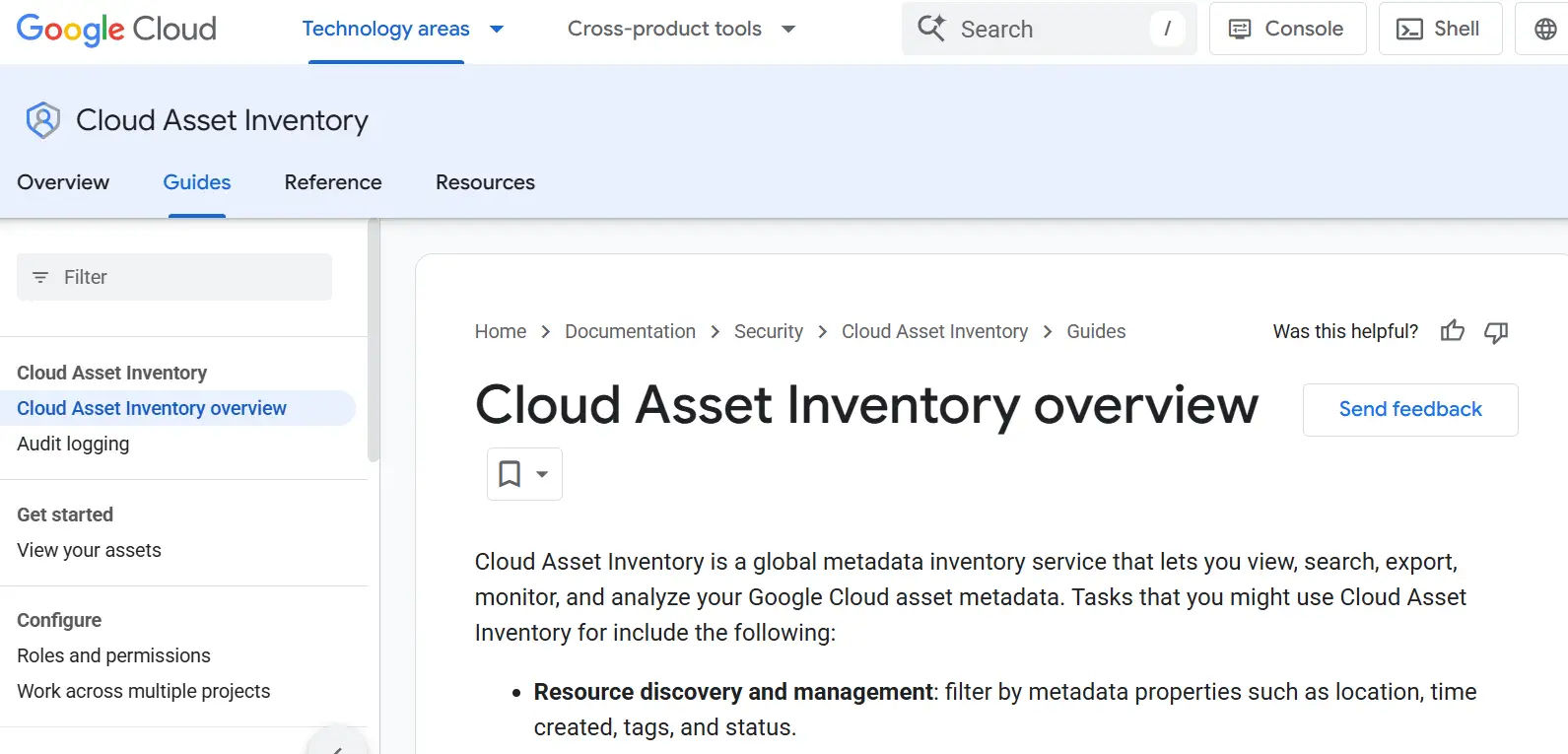
Google’s Cloud Asset Inventory enables users to discover, analyse, and monitor assets from a single platform. It offers clear visibility into asset policies, which are crucial for IT operations, fleet management, security analysis, governance, and auditing.
Monitor assets across both Google Cloud and Anthos, with access to a 35-day history of various assets using the Cloud Asset API.
Identify assets, perform inventory analysis, and conduct compliance checks within Google Cloud and Anthos environments.
3. Pulseway
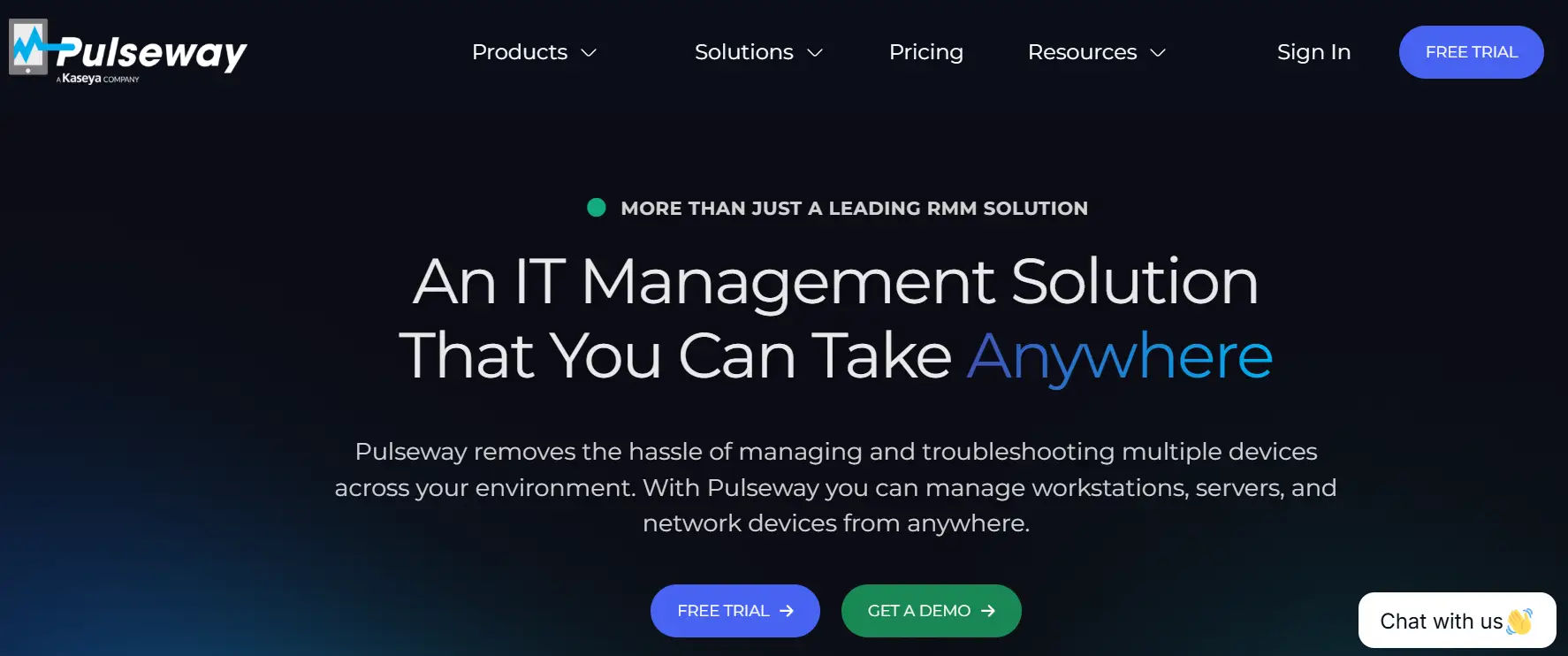
Pulse way is a robust and flexible asset management software platform that provides excellent control and customization for businesses aiming to improve their asset management processes. Its wide range of features, coupled with an intuitive interface and scalability, makes it an invaluable tool for organizations looking to reduce downtime and enhance productivity.
Features
- Remote asset management to monitor and control IT systems and assets from any device, anywhere.
- Real-time notifications and alerts for crucial IT incidents, such as system outages or security breaches.
- Automation of routine IT tasks, including software updates and patch management.
- Server management and monitoring to track server uptime and performance from any location.
4. ServiceNow
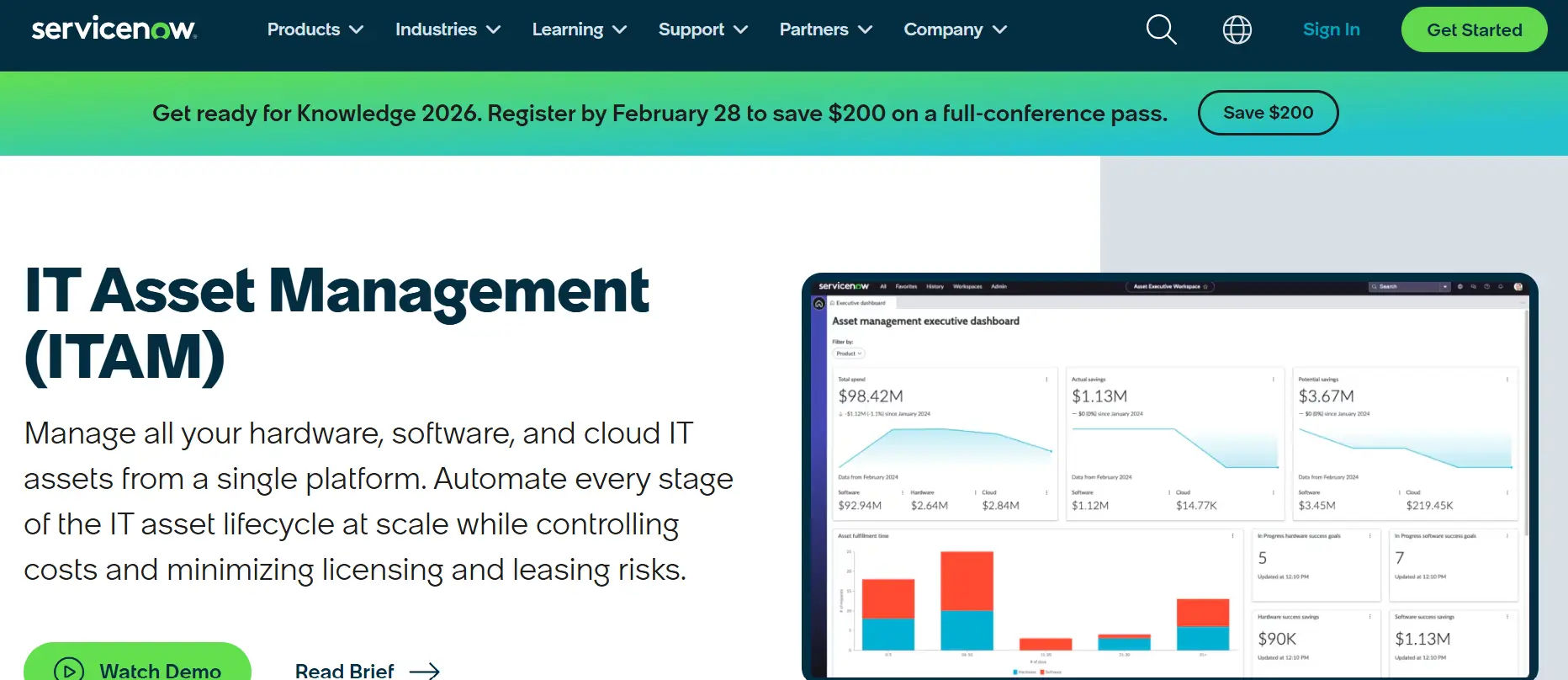
ServiceNow’s software asset management tool provides a centralized platform to manage and reduce costs and risks. It automates software lifecycle management, monitors licenses, and ensures compliance by efficiently handling license tracking.
Features
- Automate the process of assigning software assets to new employees.
- Use the software asset workspace to view recommended alerts, tasks, and actionable insights.
- Track and control software expenses and usage through the SaaS overview dashboard.
5. Asset Panda
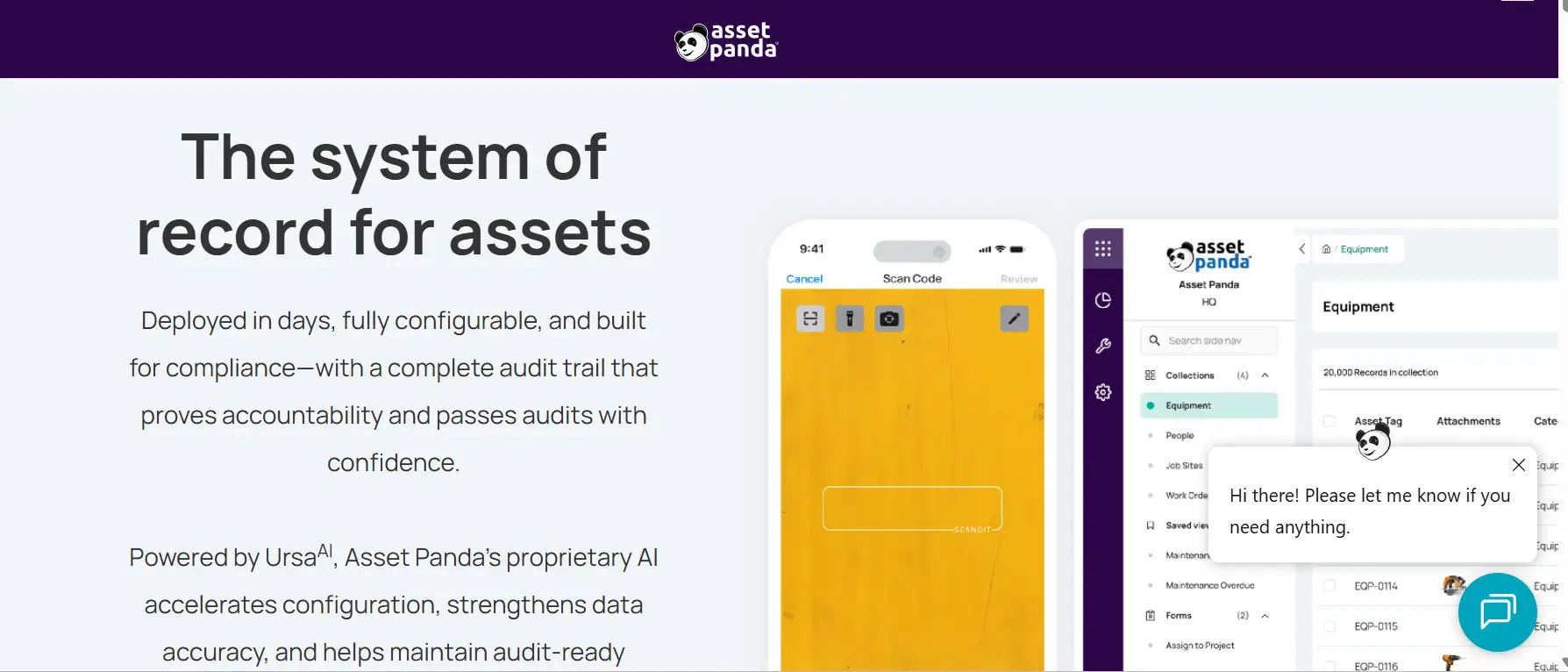
Asset Panda is a robust asset management platform that helps organizations streamline the tracking and management of physical and digital assets. It provides comprehensive tools to optimize asset utilization, reduce costs, and improve operational efficiency.
Features
- Automate asset tracking and reporting with real-time data, providing clear visibility into the location, condition, and status of all assets.
- Simplify asset management with custom fields and flexible reporting options to suit your organization’s unique needs.
- Streamline the asset lifecycle by enabling easy check-in/check-out, maintenance tracking, and automated alerts for upcoming tasks.
- Easily integrate with existing systems and software to enhance asset management processes across the organization.
- Provide secure mobile access through a user-friendly app, allowing teams to manage assets efficiently from anywhere.
6. Ivanti
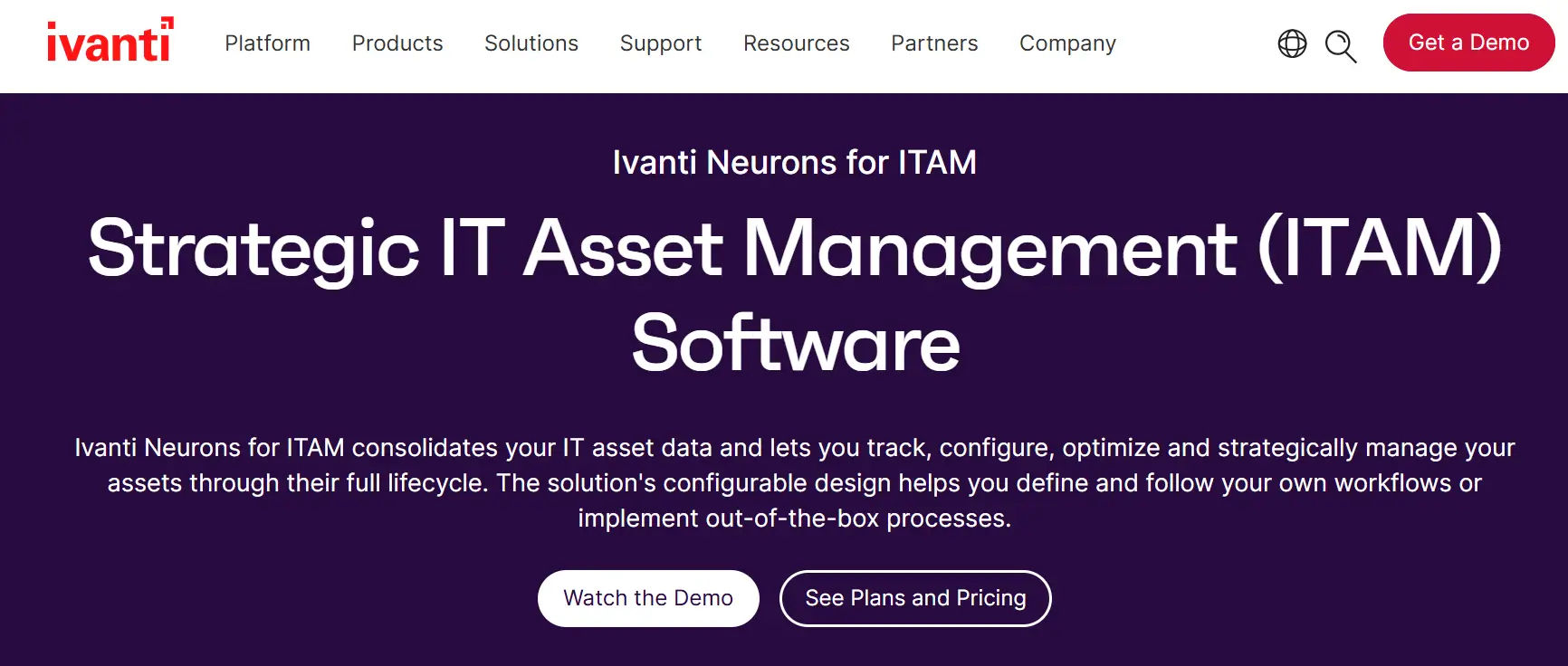
Ivanti Neurons for IT Asset Management combines all your asset data into a single view, simplifying the tracking, configuration, optimization, and strategic management of your assets throughout their entire lifecycle.
Features
- Lifecycle Tracking: Monitor assets throughout their entire lifecycle, from procurement and purchase orders to invoicing, receipt, deployment, and eventual disposal.
- Cloud-Based Solution: Utilize Ivanti’s multi-tenant technology platform, which is hosted in the cloud for optimal accessibility and performance.
- Visibility into Contracts and Costs: Gain insights into IT spending through detailed reporting, allowing you to track asset age and value effectively.
- Comprehensive Asset Repository: Maintain accurate records of key asset information, including lifecycle status, inventory levels, locations, and warranty details.
- Product Catalog: Access a catalogue that offers visibility into purchased and assigned assets, current stock levels, and active orders, enhancing asset management efficiency.
7. Freshworks
Features
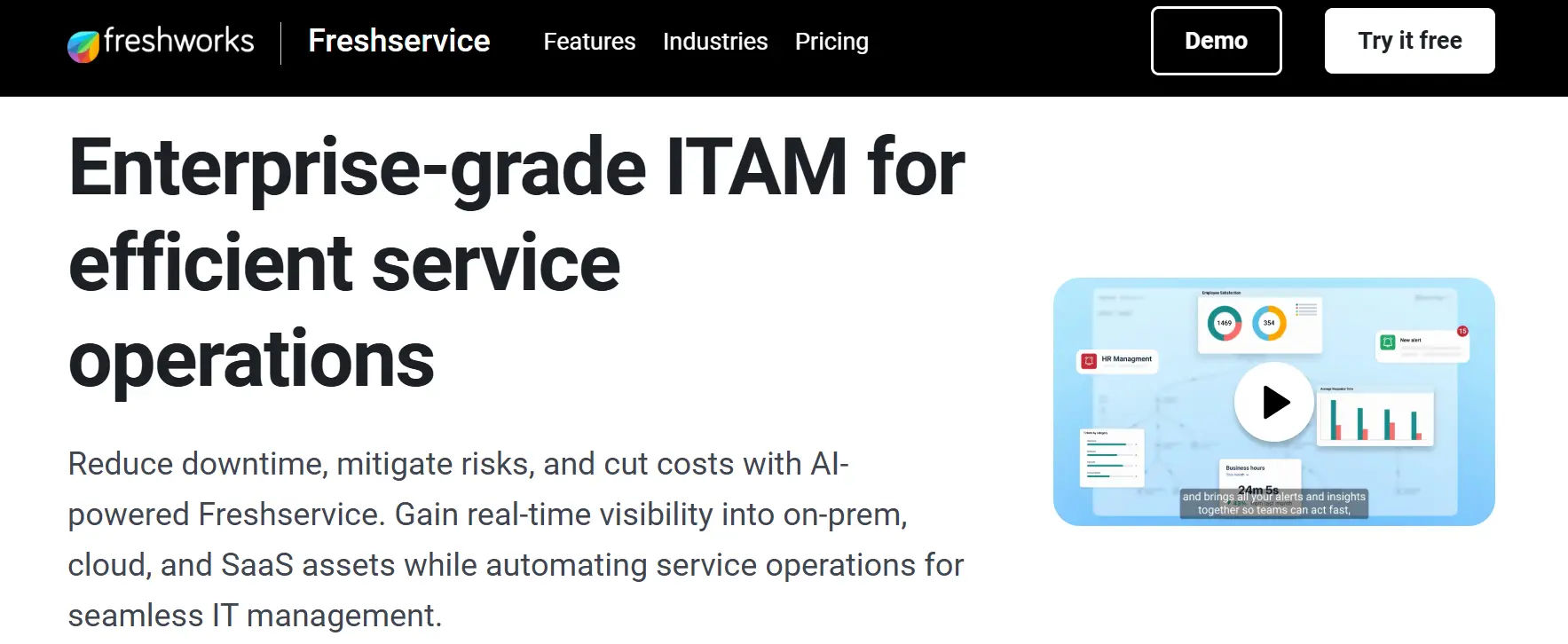
- Asset Lifecycle Management: Oversee your assets from acquisition to retirement within a single, integrated solution.
- Automated Discovery: Identify your hardware, software, and SaaS assets across both cloud and on-premises environments.
- Software Asset Management: Monitor and manage the software applications utilized within your organization.
- Purchase Order Management: Track purchases, manage vendor relationships, and handle approval processes efficiently.
8. Certero
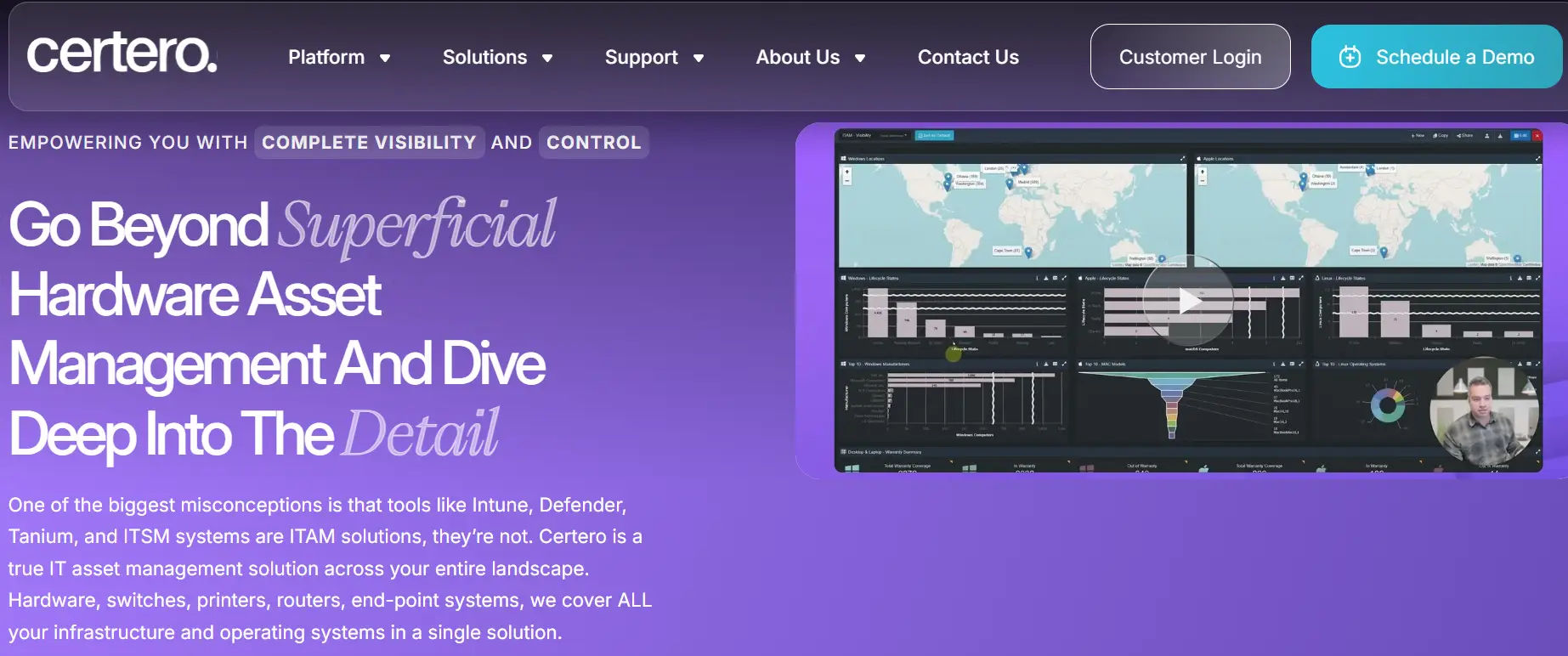
Certero is a robust software asset management solution designed for enterprise-scale applications. It tackles licensing challenges and helps manage technology consumption patterns. With its inventory and licensing features, the tool optimizes software usage and licensing positions for major publishers.
Features
- Automate License Management: Streamline the process of uploading license agreements, vendor entitlements, and calculations for Effective License Position (ELP).
- Implement Access Control Policies: Develop and enforce detailed access control policies to mitigate security and compliance risks.
- Utilize Software Recognition Database: Identify applications and databases from major software vendors using the Software Recognition Database.
9. Flexera
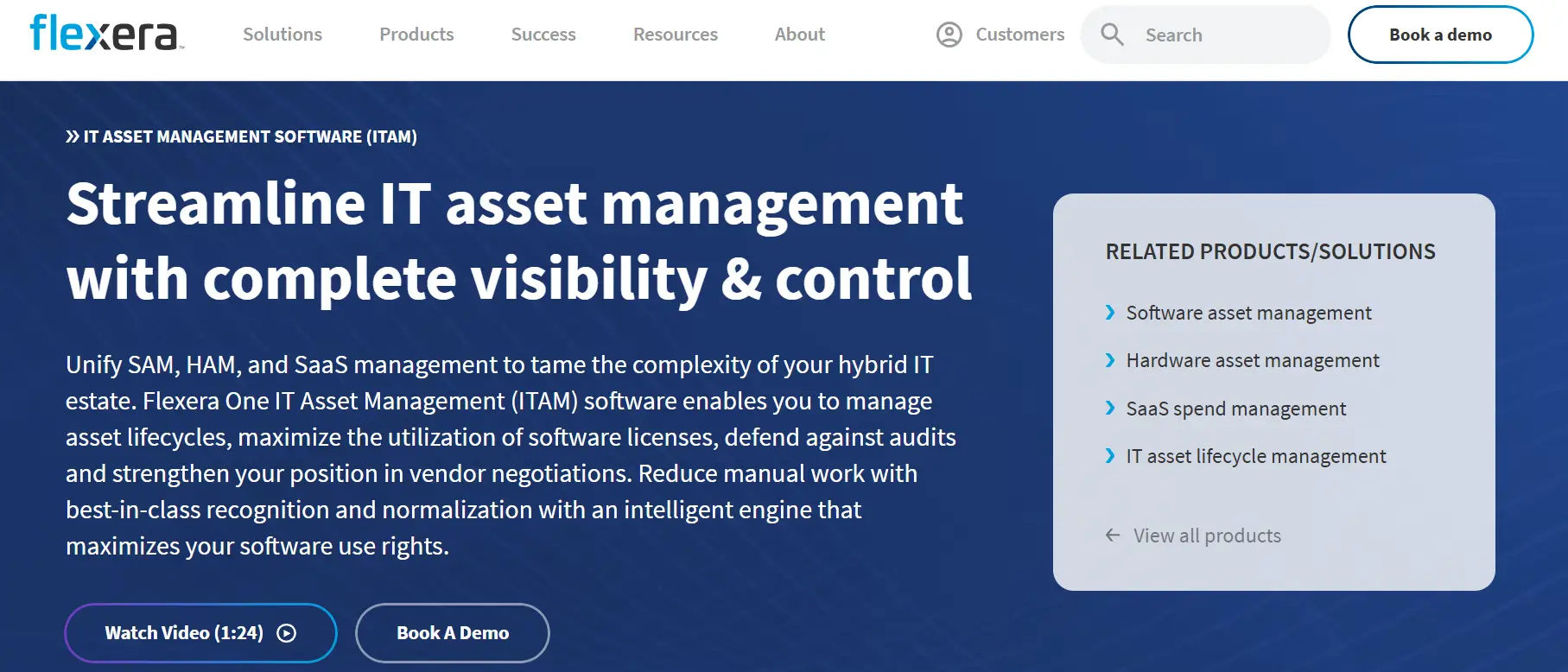
Flexera’s software management solution assists in understanding product licensing based on availability, clusters, and cores. It automates the calculation of Effective License Position (ELP) for IT assets, including software from key vendors such as IBM, Microsoft, and Salesforce.
Features
- Automate ELP Calculations: Leverage Flexera One’s comprehensive entitlement library to automate Effective License Position (ELP) assessments, which include product usage rights, license types, and relevant metrics.
- Enhance Vendor Relationships: Utilize the license management tool to optimize relationships and manage contracts with key vendors effectively.
- Integrate Procurement with Business Systems: Connect procurement activities with IT Service Management (ITSM), IT Financial Management (ITFM), and other business systems to facilitate the exchange of technology insights.
10. Matrix42
Matrix42’s software asset management solution provides clear visibility into software licenses, enabling IT teams to reduce costs and mitigate compliance risks. The platform allows you to manage and oversee software assets within a centralized IT asset database.
Features
- Identify Unauthorized Applications: Detect unapproved apps and minimize audits through automated license recording and management.
- Monitor Cloud Spending: Track expenditures across various cloud services and validate costs and budgets using cloud cost management tools.
- Manage IT Assets Throughout Their Lifecycles: Oversee IT assets with a centralized inventory and automated scans to keep databases updated.
Conclusion
It’s evident that modern asset management software has transformed how businesses manage and monitor their assets. This technology serves as a vital tool for optimizing utilization, tracking fixed assets, and ensuring they remain in excellent condition, ultimately boosting efficiency, lowering costs, and improving decision-making processes.
Whether you represent a small business seeking better resource management or a large corporation aiming to enhance the return on investment for your extensive asset portfolio, investing in a reliable asset management software solution is essential.
If you’re in search of dependable fixed asset tracking software for your organization, schedule a demo to discover how the Apps365 platform can serve as the ideal asset management solution for your business.
Join Our Creative Community
Frequently Asked Questions
What is an Asset Management System?
An Asset Management System (AMS) is a software solution designed to track, manage, and optimize an organization’s assets throughout their lifecycle. This includes software, hardware, and other physical or digital assets. The system helps improve asset utilization, reduce costs, and ensure compliance with regulations.
Why is Asset Management Important for Businesses?
Asset management helps businesses ensure that all their assets are effectively tracked, maintained, and optimized. By providing real-time visibility into asset performance, businesses can reduce operational costs, improve decision-making, and prevent unnecessary downtime or asset loss.
What Are the Key Features of an Asset Management System?
Key features of an Asset Management System include:
- Asset tracking and monitoring
- Centralized data management
- Automated workflows for lifecycle management
- Reporting and analytics
- Integration with other software (e.g., Microsoft Intune)
- Incident management and notifications
- Cost and risk management capabilities
How Does Asset Management Software Benefit Organizations?
Asset management software helps organizations by providing accurate, real-time data on their assets, enabling better decision-making. It optimizes asset utilization, minimizes maintenance costs, extends asset lifespan, and ensures compliance with regulatory standards.
What is the Asset Lifecycle in Asset Management?
The asset lifecycle refers to the stages an asset goes through from acquisition to disposal. This includes procurement, installation, maintenance, upgrades, and eventual decommissioning. An asset management system helps manage each of these stages efficiently, ensuring assets are fully utilized and properly maintained throughout their lifespan.
How Does Asset Management Software Integrate with Other Systems?
Modern asset management systems often integrate with other business systems, such as Enterprise Resource Planning (ERP), Customer Relationship Management (CRM), or IT management tools. Integration with platforms like Microsoft Intune can allow for seamless data synchronization and provide a unified view of assets and their status.
What Are the Benefits of Automating Asset Management?
Automating asset management reduces manual tracking errors, saves time, improves asset visibility, and ensures compliance. It allows organizations to streamline workflows, automate maintenance schedules, and generate reports with minimal effort.
Can Asset Management Software Help with Compliance?
Yes, asset management software helps ensure compliance with industry regulations by maintaining accurate records of asset usage, maintenance, and status. It also helps organizations manage warranties, contracts, and certifications, reducing the risk of non-compliance.
What Are the Key Considerations When Choosing an Asset Management System?
When choosing an asset management system, consider factors such as:
- Integration capabilities with existing systems
- Ease of use and user interface
- Scalability to accommodate growth
- Support for automated workflows
- Reporting and analytics features
- Security and compliance features
How Does Asset Management Software Help Reduce Costs?
By providing better visibility into asset utilization, asset management software helps organizations identify underused or obsolete assets, leading to cost savings. It also streamlines procurement and maintenance processes, reducing unnecessary expenses and improving overall efficiency.


_JiluXJRGNl.svg)